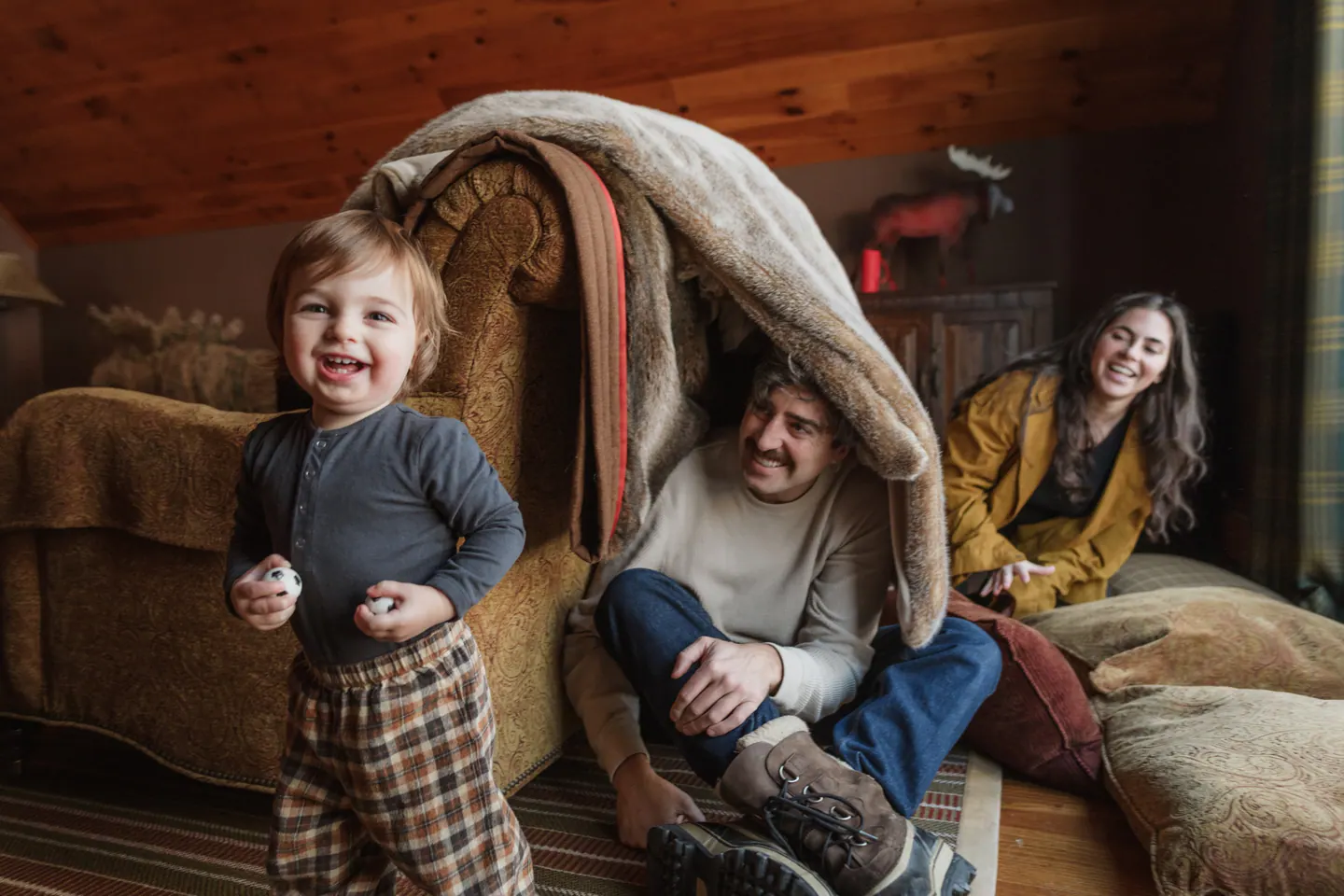
Family photographs become easier when the session is built around age, temperament, feeding, naps, weather, familiar places, and the ways people already connect. The goal is not to keep every child smiling toward the camera. It is to make enough room for affection, movement, resistance, play, and the short quiet moments between them.
These guides cover the practical choices that genuinely change a session: whether to stay home or go outside, how much structure helps, what clothing needs to do, when maternity photographs feel comfortable, how siblings can participate, and how to include several generations without turning the afternoon into an assembly line.
A useful way to begin
Make one decision clearly, then let the next one follow.
Use the child’s real rhythm
Timing begins with sleep, food, energy, and familiarity.
The prettiest hour of outdoor light is not automatically the best hour for a baby or toddler. A fed child in a familiar room can offer more connection than an exhausted child at a dramatic overlook. We balance light with the family’s actual rhythm, shorten transitions, and leave room for warming up rather than treating the first five minutes as a test everyone needs to pass.
Choose a place that gives something back
Home and landscape create different kinds of photographs.
Home contains the nursery, favorite chair, pets, ordinary rituals, and the physical record of this stage. Outdoors offers movement, weather, distance, and space for children who come alive while exploring. Neither is inherently more beautiful. Choose the place that supports how the family wants to spend the time and what will matter when the rooms or routines eventually change.
Coordinate without becoming costumes
Clothing should help people move, hold children, and remain themselves.
Begin with one person’s outfit, build a related palette, and vary texture and tone rather than matching every shirt. Check sitting, bending, nursing, diapers, wind, and temperature. A backup for small children is useful. The photographs should retain the family’s personality; clothing is successful when nobody needs to manage it for the rest of the session.
Let several relationships exist
A family session is more than one group portrait.
We make the useful whole-family photograph, then work through parents with children, siblings, partners, grandparents, and the smaller relationships that give the group its history. Extended sessions need a short priority list and a person who understands the family. The strongest result includes clear records and the unscripted interaction around them.
Go deeper when the question becomes specific
The library is organized around decisions, not content volume.

Begin with the session
Location, timing, clothing, and a flexible structure.
Use one complete guide to decide what the session needs, then choose home, coast, redwoods, neighborhood, or another place that fits the family’s actual life and energy.

The beginning of family life
Maternity, newborns, babies, and siblings.
Plan for physical comfort, uncertain arrival dates, feeding, older siblings, pets, and the familiar rooms that will become part of the family archive. Pauses are not interruptions; they are part of the session.
More people, more history
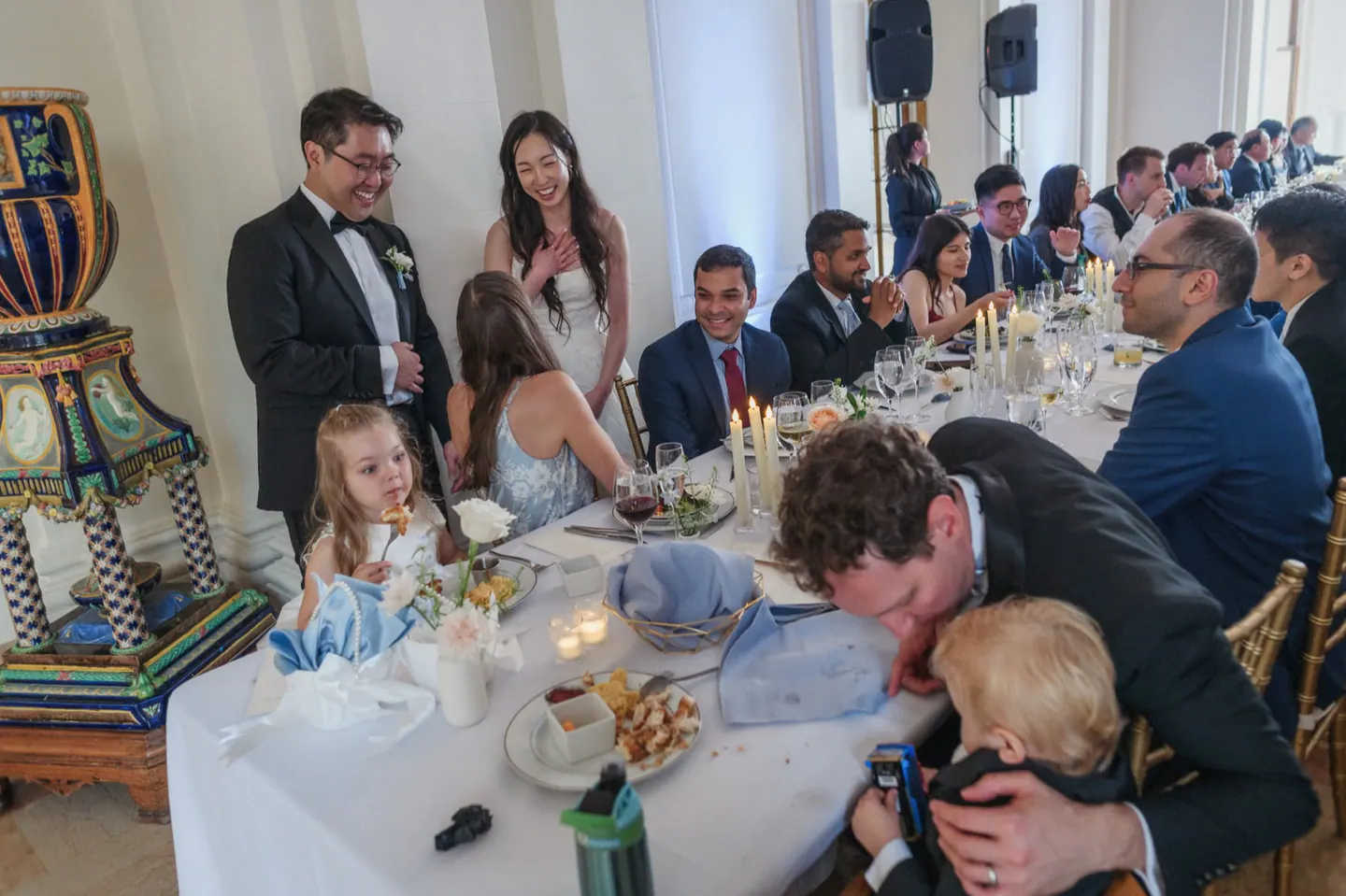
Toddlers and extended families need a different rhythm.
Short activities, movement, snacks, breaks, and an explicit list of essential combinations keep the session useful without asking children or grandparents to wait through every possible arrangement.
The short version
A family session works when the plan respects the people inside it.
- 01
A time that works with sleep, food, comfort, and the youngest person’s energy
- 02
A place chosen for meaning and ease—not only an attractive background
- 03
Clothing that coordinates while allowing movement, holding, feeding, and weather
- 04
A short list of essential relationships and any family sensitivities
- 05
Permission to pause, play, resist, regroup, and let the photographs change with the family
Complete family directory
Browse all 13 guides in this section.
Complete family directory
Browse all 13 guides in this section.
- A complete guide to family photography that still feels like your family
- At-home family photographs: use the life already inside the house
- At-home newborn photography without turning the house into a studio
- Choosing a Marin family photography location
- Family photographs with toddlers: build around motion, snacks, and short attention
- How to plan an extended-family photo session without losing the relationships
- Newborn photographs with siblings: protect safety and the older child’s place
- San Francisco family photo locations: choose for the family, not the postcard
- Unplugged wedding ceremony or phones allowed?
- Wedding family photographs with divorced parents and complicated relationships
- What to wear for family photographs that still look like your family
- What to wear for maternity photographs: shape, movement, comfort, and choice
- When to schedule maternity photographs—and when comfort should change the plan
Use the information, then return to the experience
Planning should make it easier to be there.
If the guides have clarified the shape of what you need, tell us about the people, place, and part of the plan that is still uncertain. We can help from there.
Explore family photography Tell us what you are planning