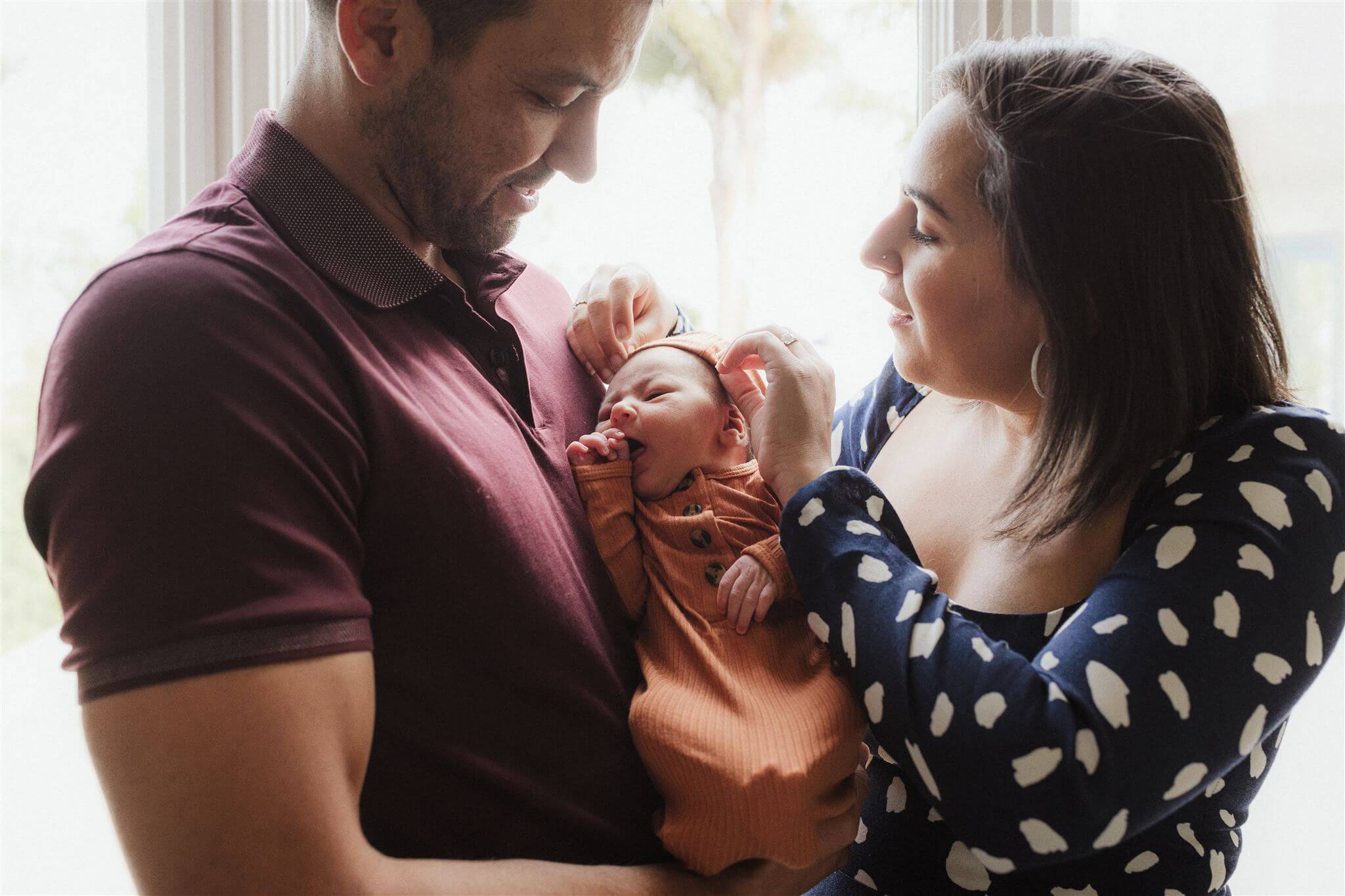
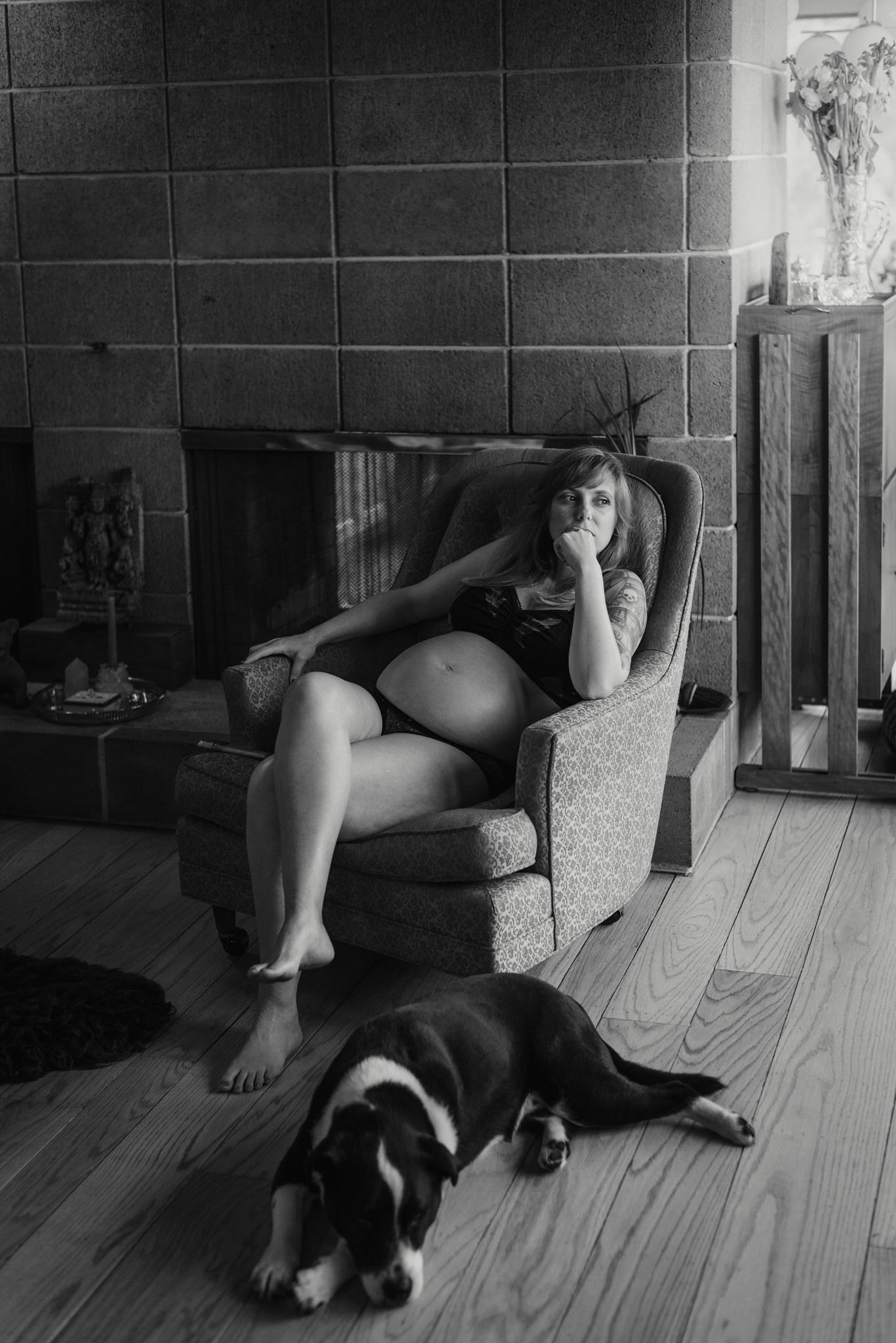
Choose the time around the least flexible person.
For young children, that usually means naps, meals, and the hour when they have the most energy. For grandparents, it may mean mobility, medication, temperature, or travel. Good light matters, but alert and comfortable people matter more.
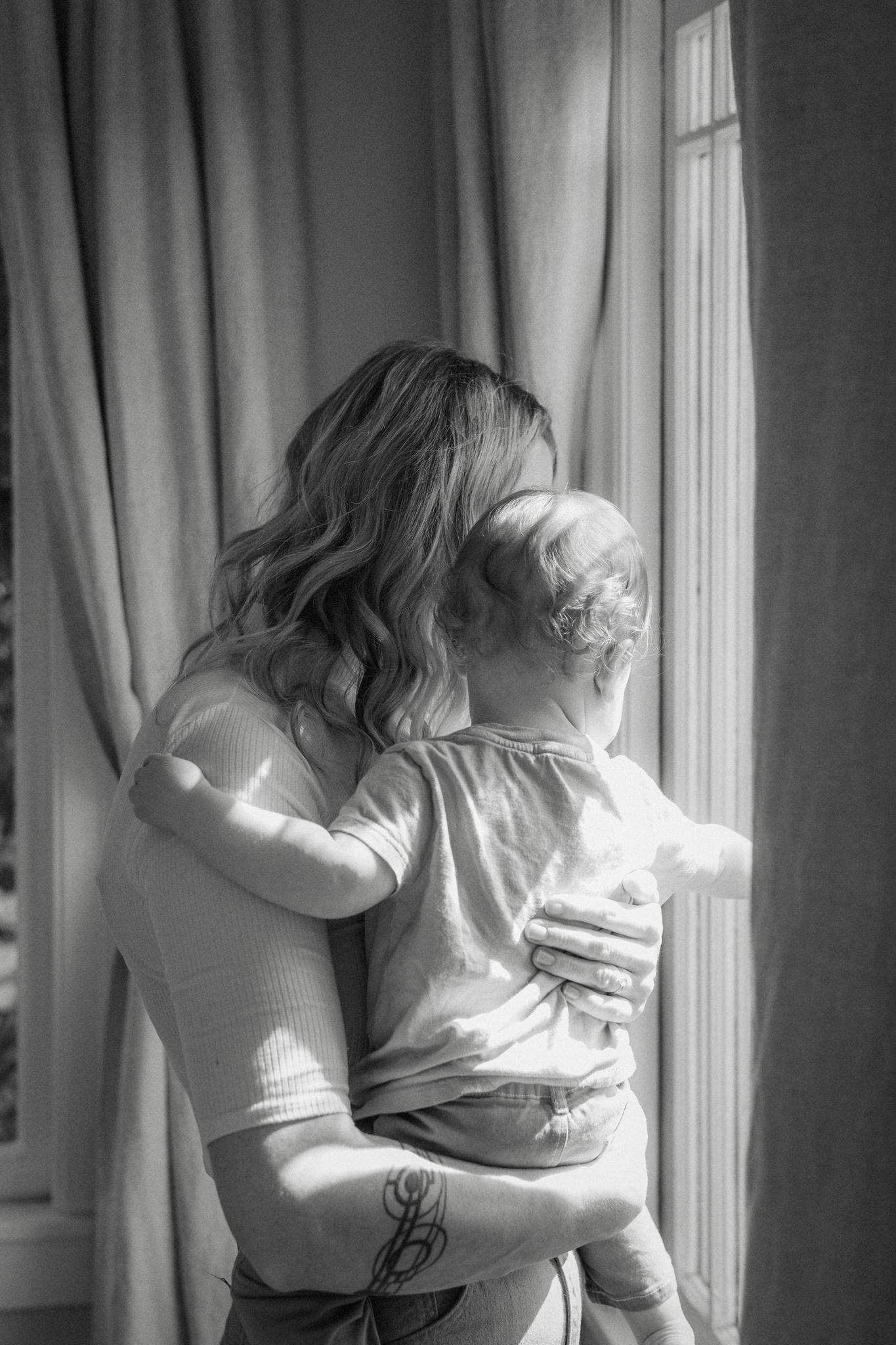
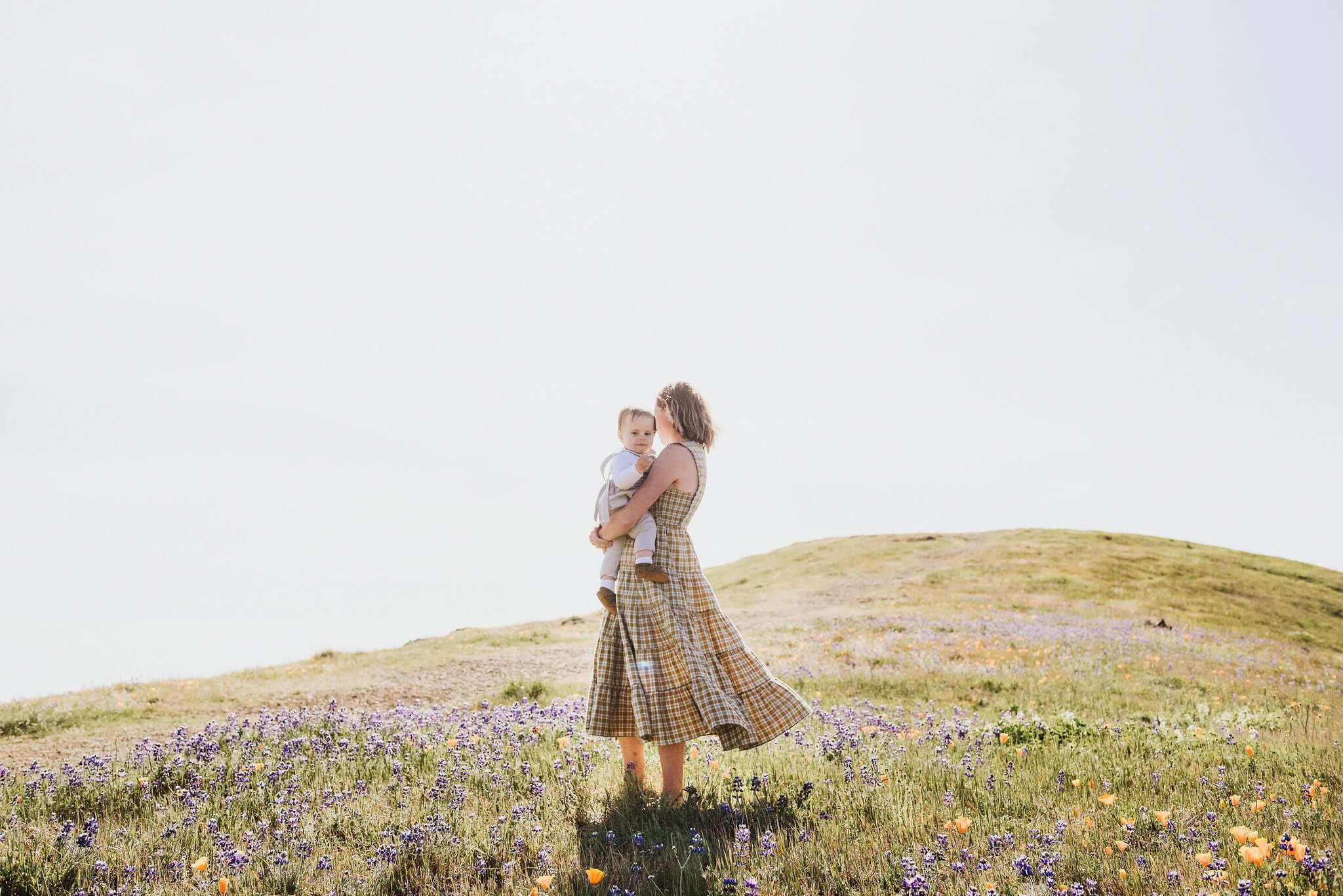
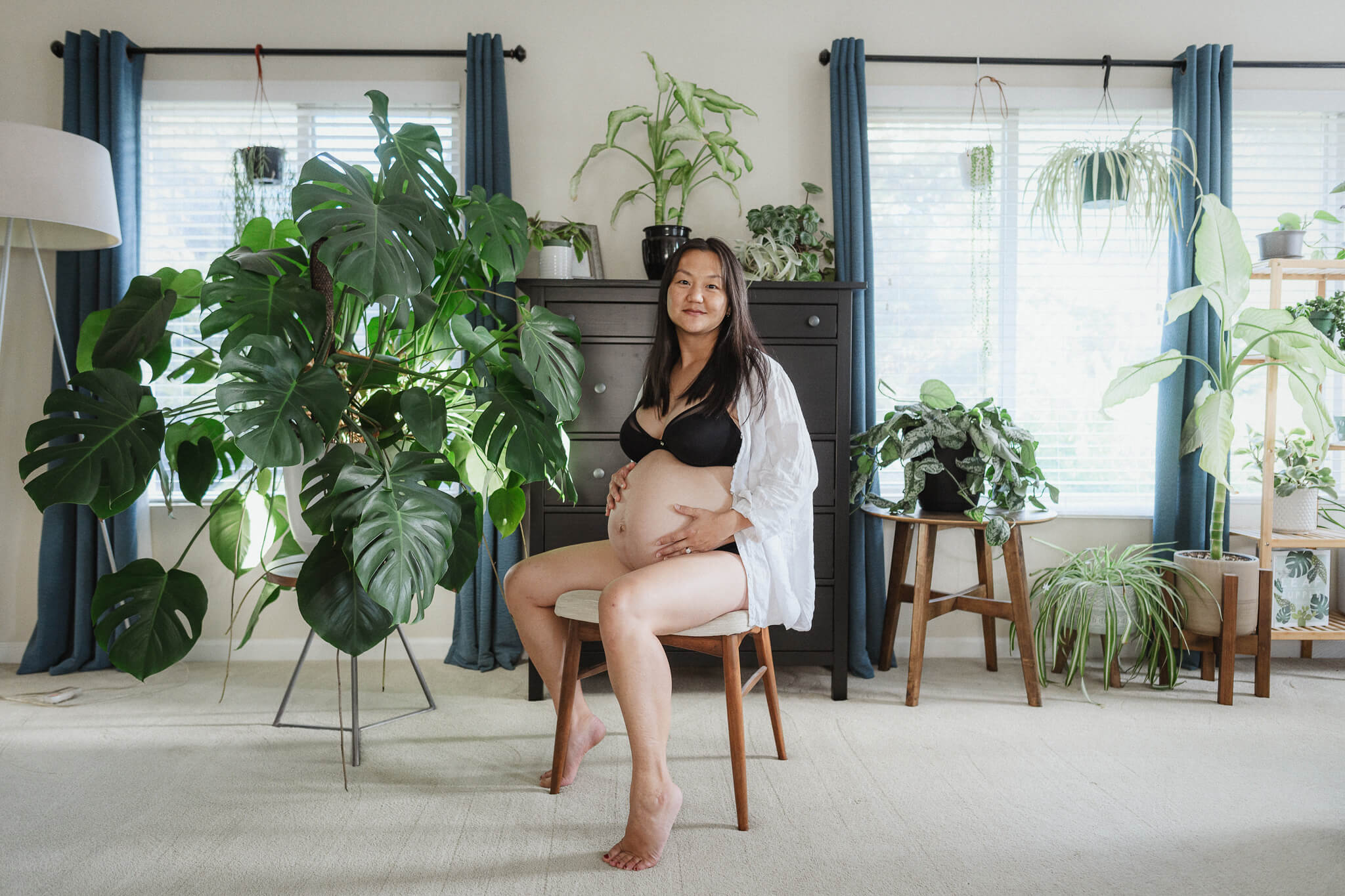

Pick a place where people can do something.
Home, a familiar trail, a quiet beach, or a grandparent’s garden gives people ways to move and connect. A beautiful overlook with no shelter, parking, bathroom, or room for children to explore may create more management than meaning.
Coordinate clothing without turning everyone into a uniform.
Choose a shared level of formality and a loose relationship between colors, textures, and season. Avoid identical outfits and tiny high-contrast patterns. Most importantly, use clothing people can sit, carry a child, run, and hug in.
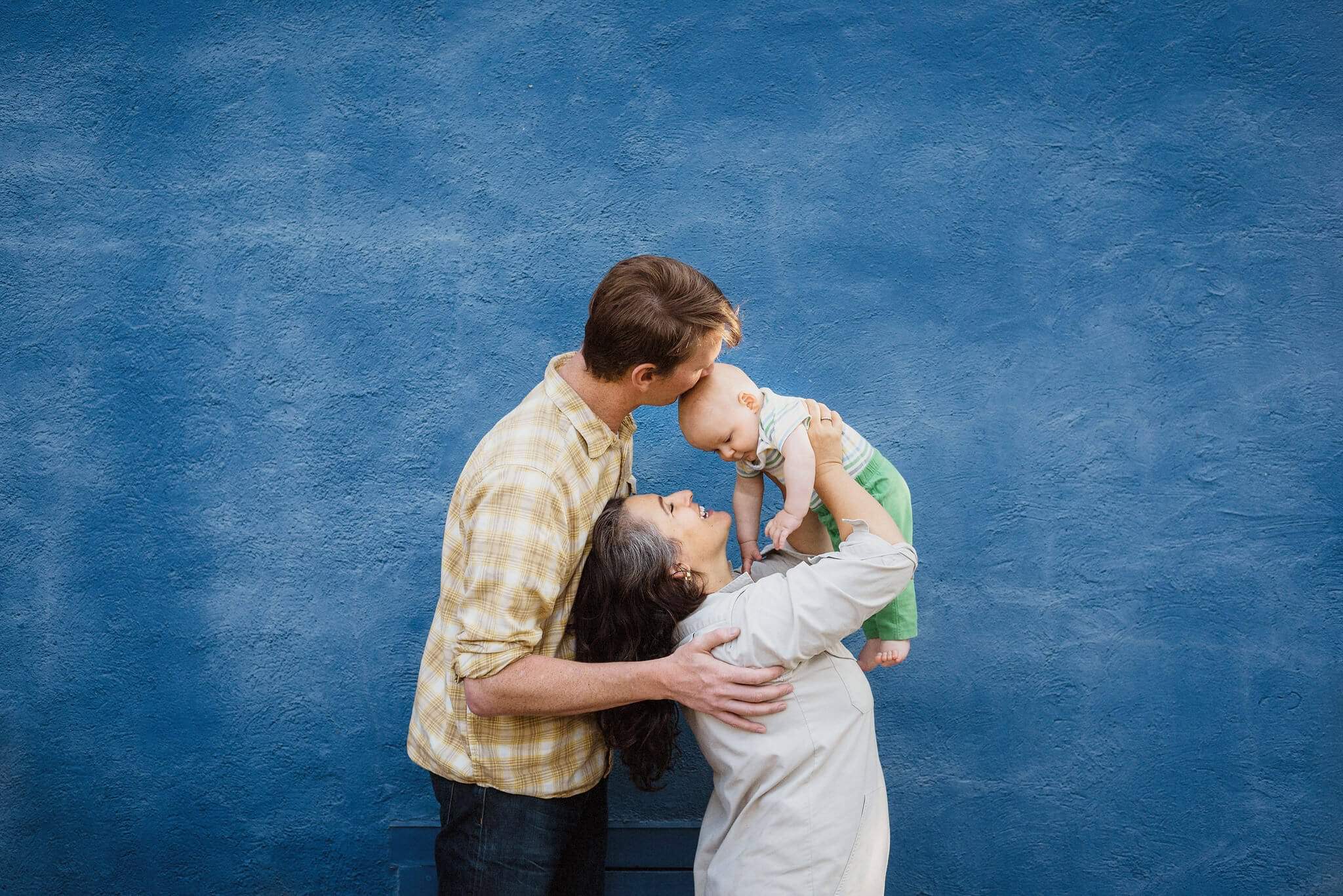
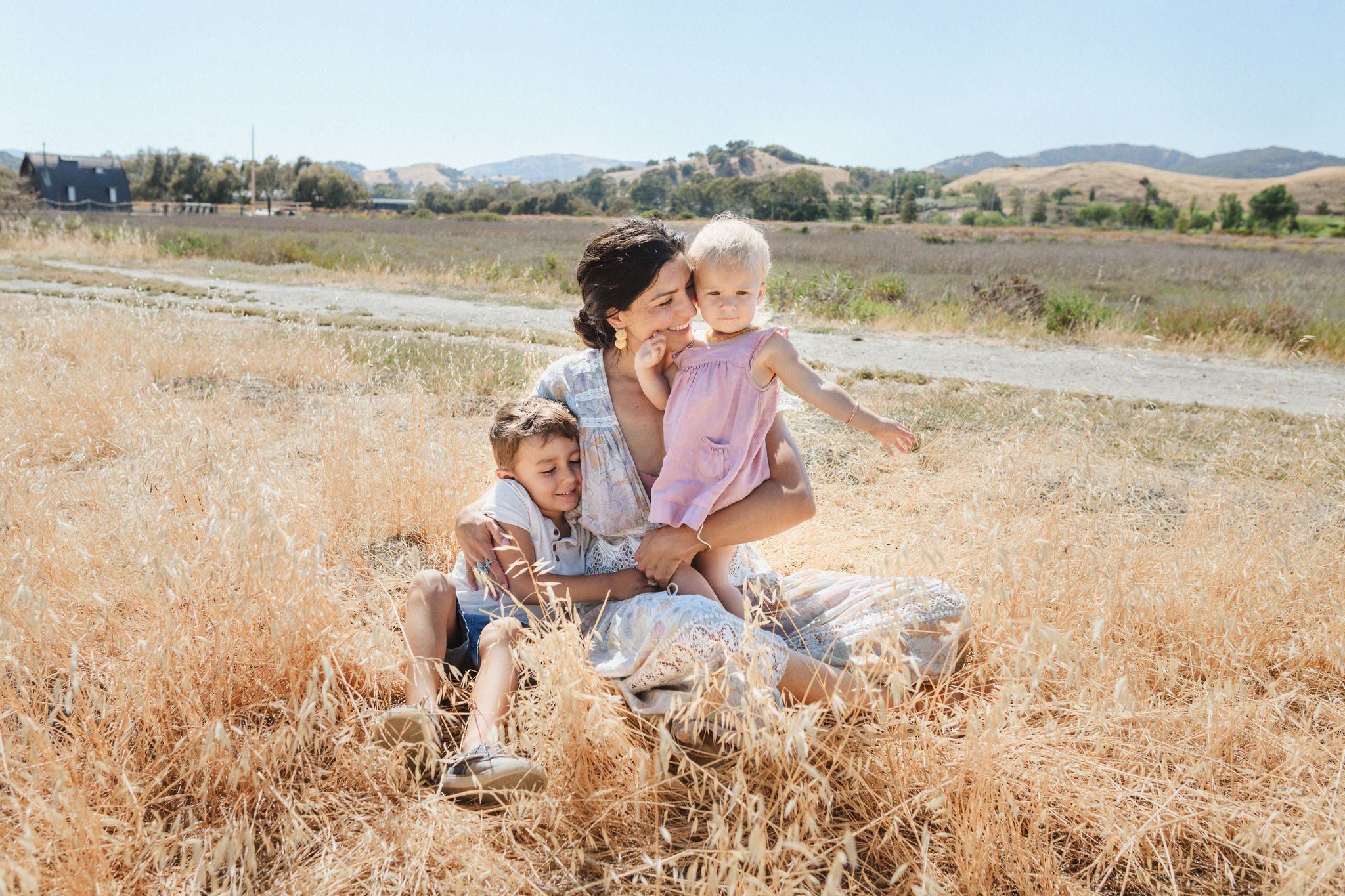
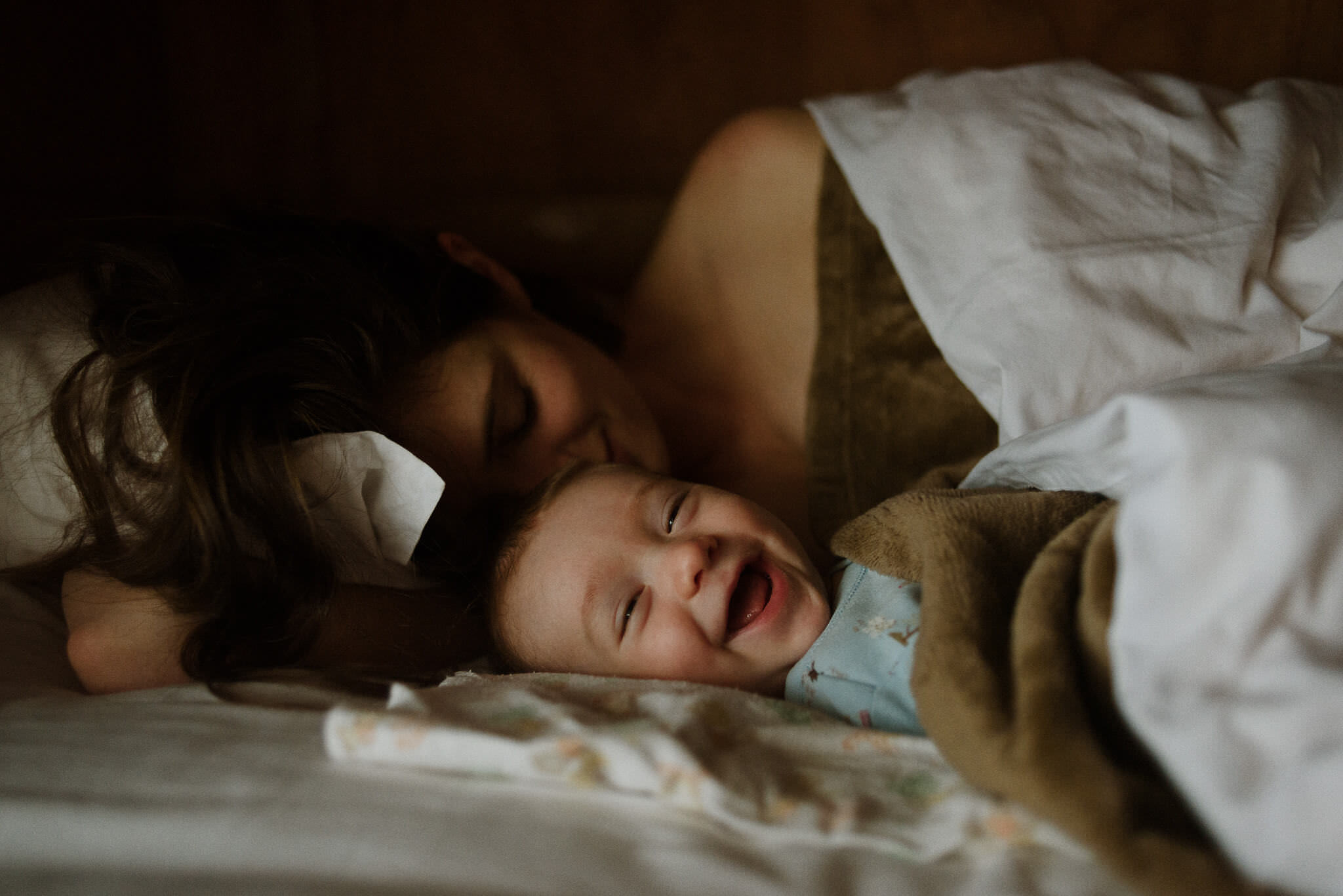
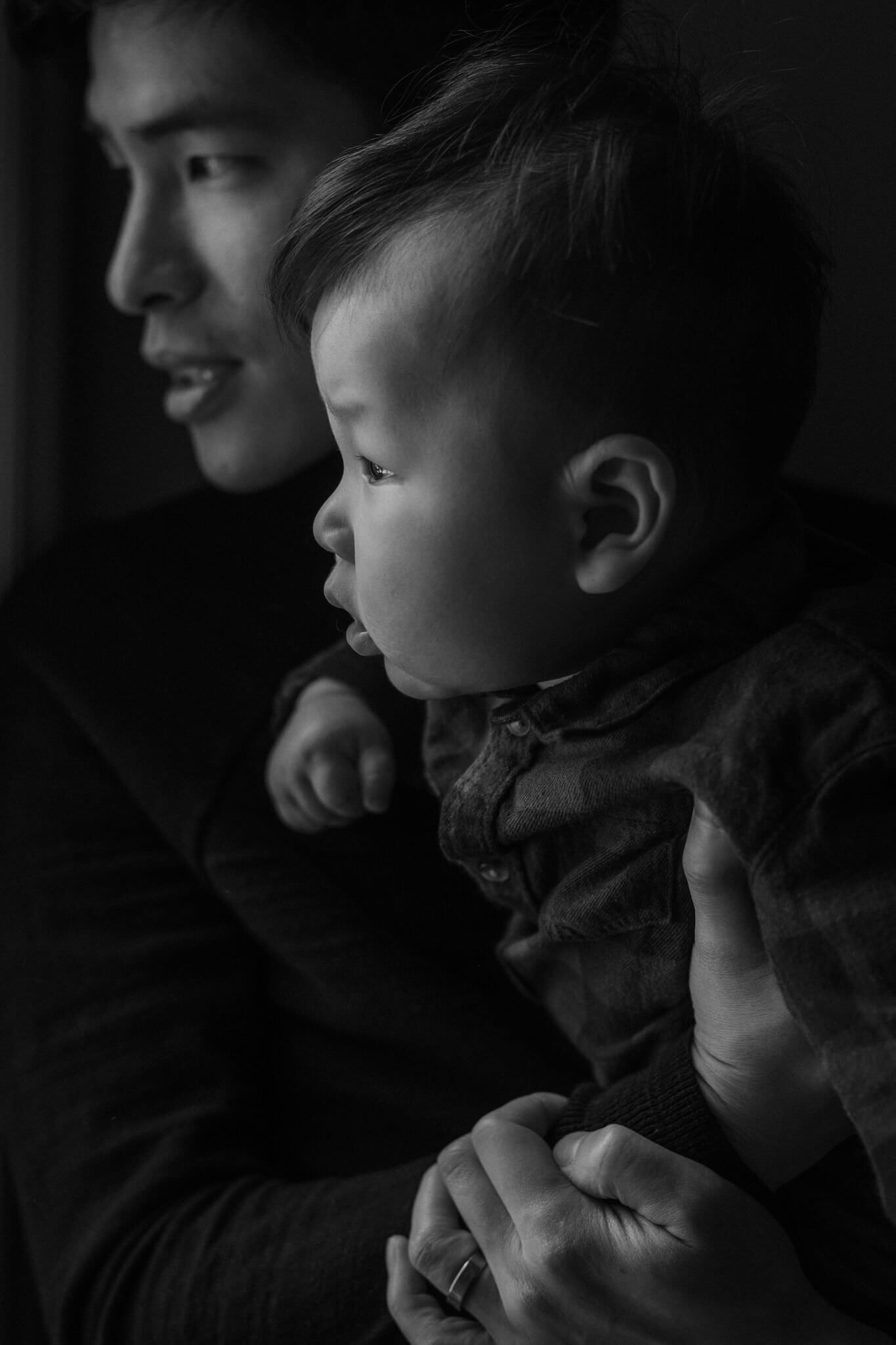
Make the essential portrait first, then loosen the plan.
We begin with the groupings that would be difficult to recreate, especially when several generations are present. Once those are safe, children can lead, people can move, and the photographs become less arranged without risking the one frame everyone needed.