Engagement sessions without awkward posing — see the work

extended family photo session

How to plan an extended-family photo session without losing the relationships

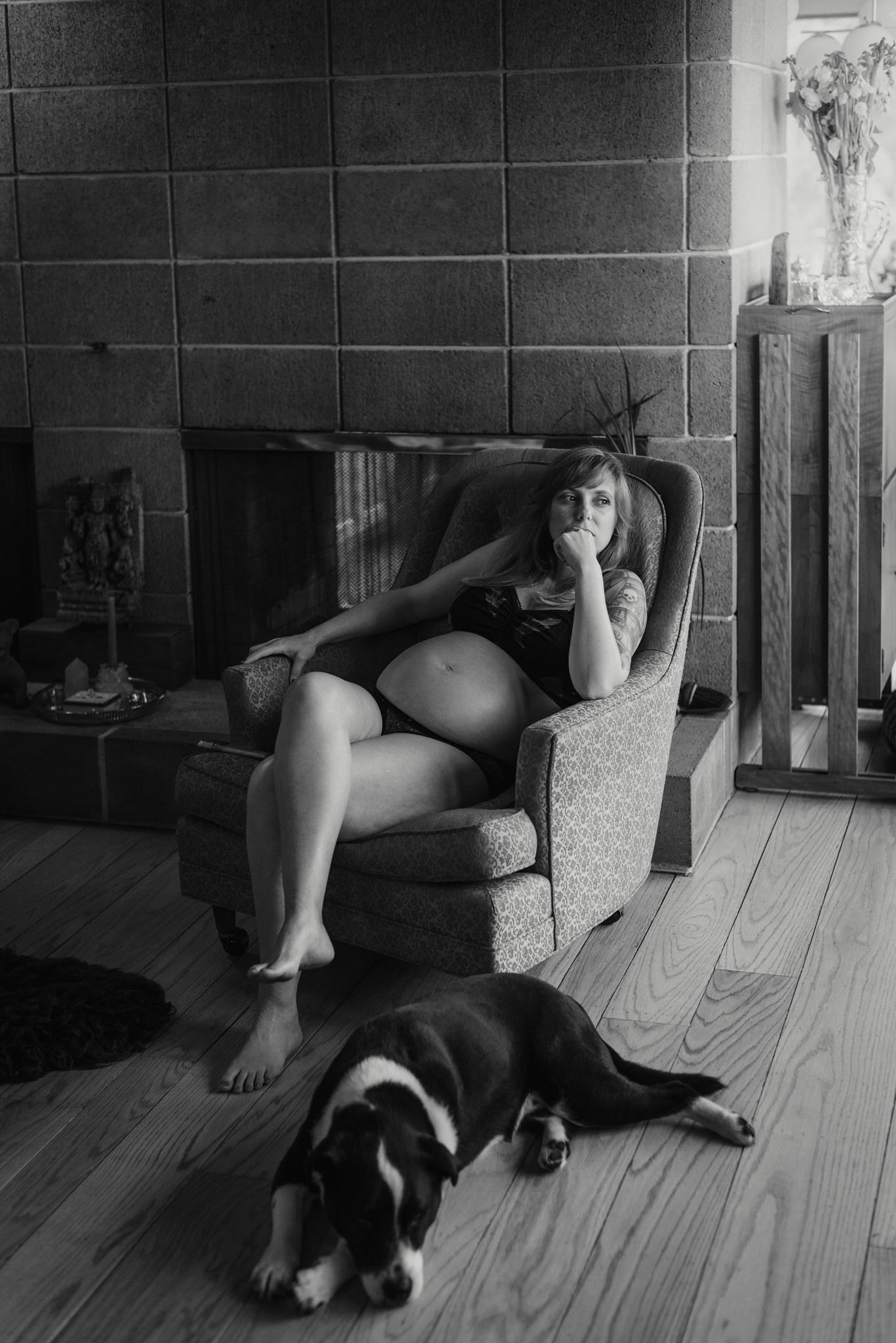
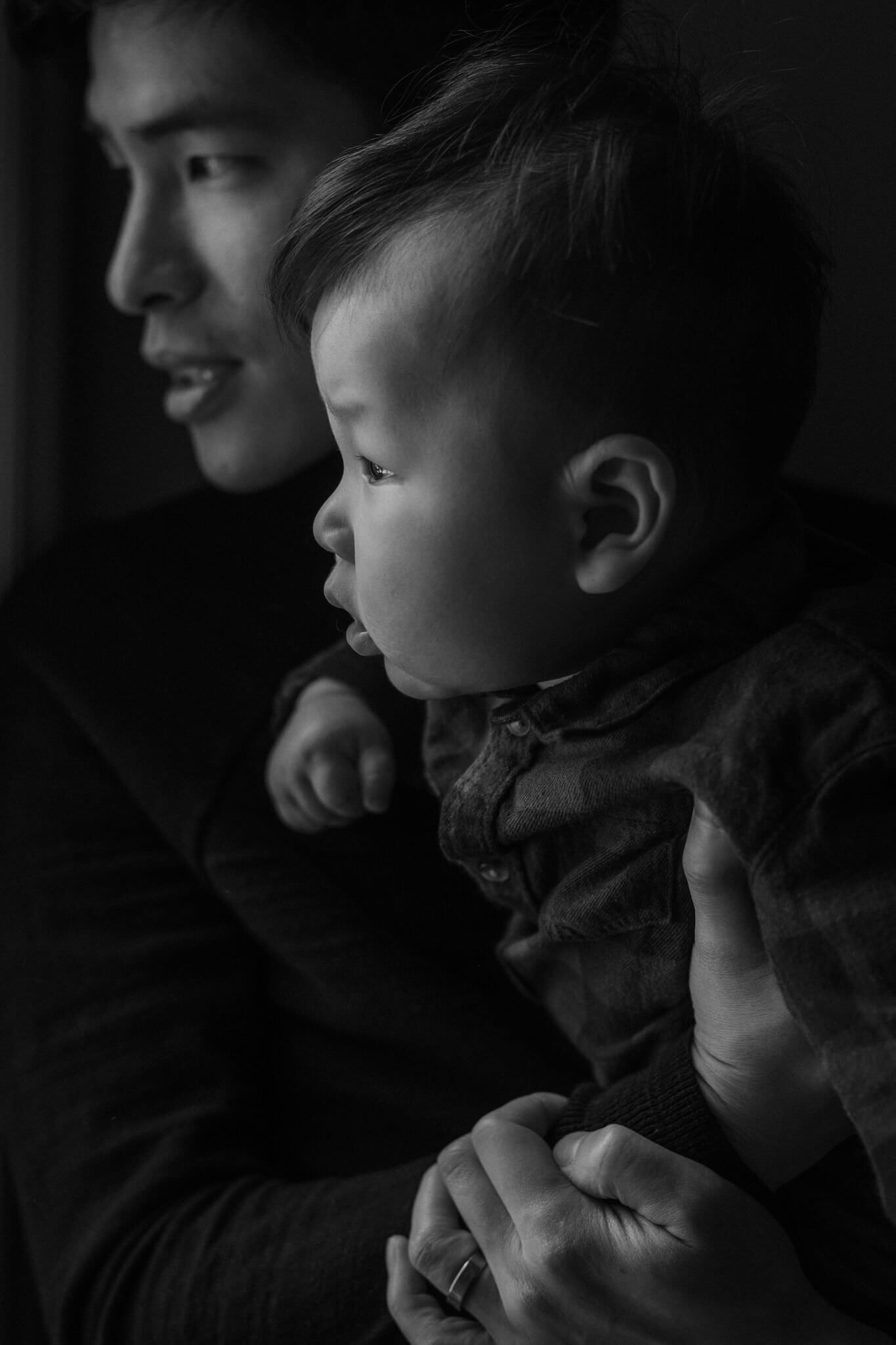
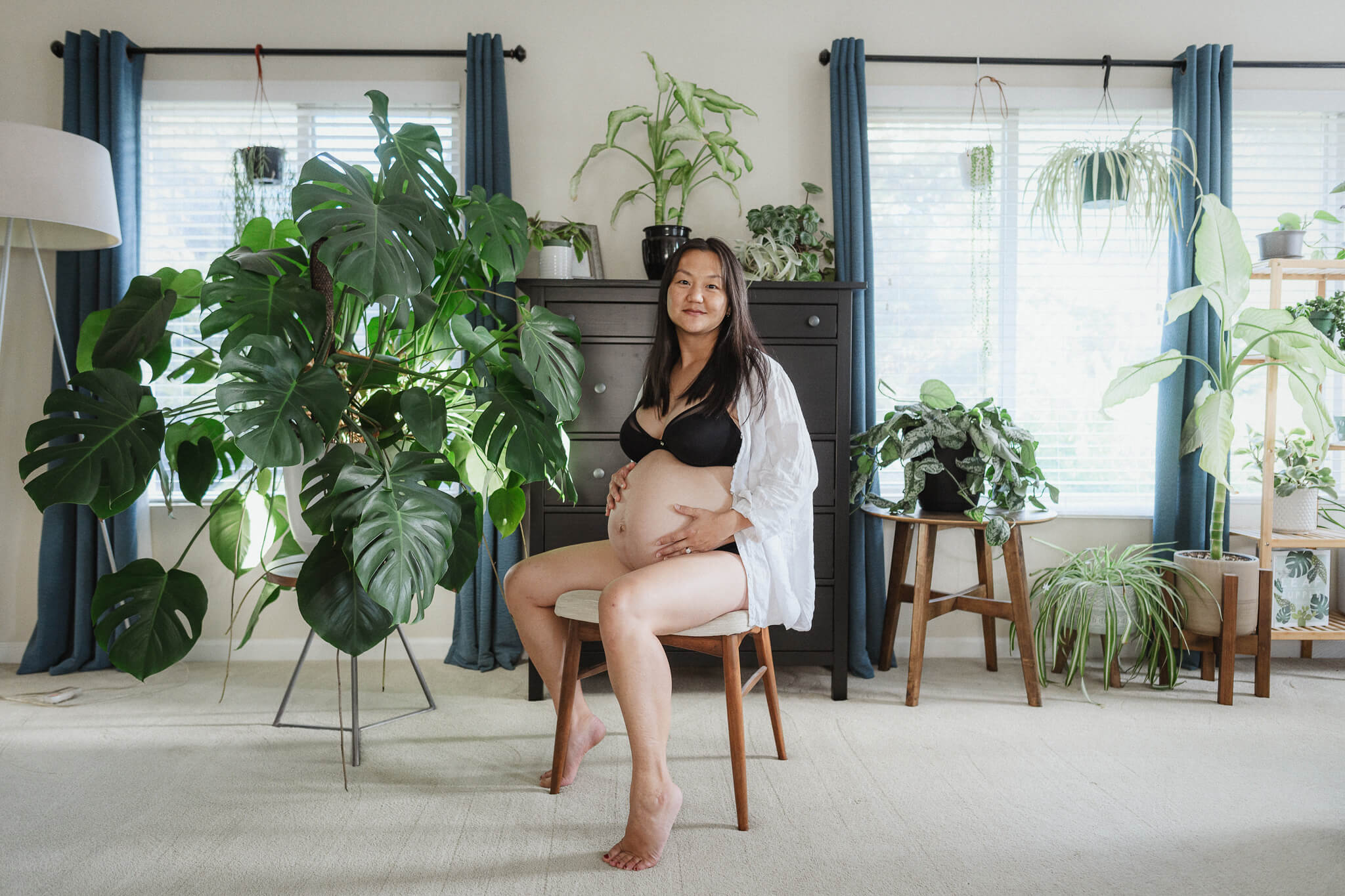
A black and white vertical family photograph at homeA candid maternity photograph with the family already present

Extended-family photographs may be the only time every household is together for years. The session needs a clear combination list and efficient gathering, but it should also show the smaller relationships and ordinary interactions that explain why the group matters.

01

List relationships before combinations.

Write each household and identify grandparents, siblings, partners, cousins, and chosen family. Relationship labels are faster to use on location than names alone; names remain helpful for addressing people directly.
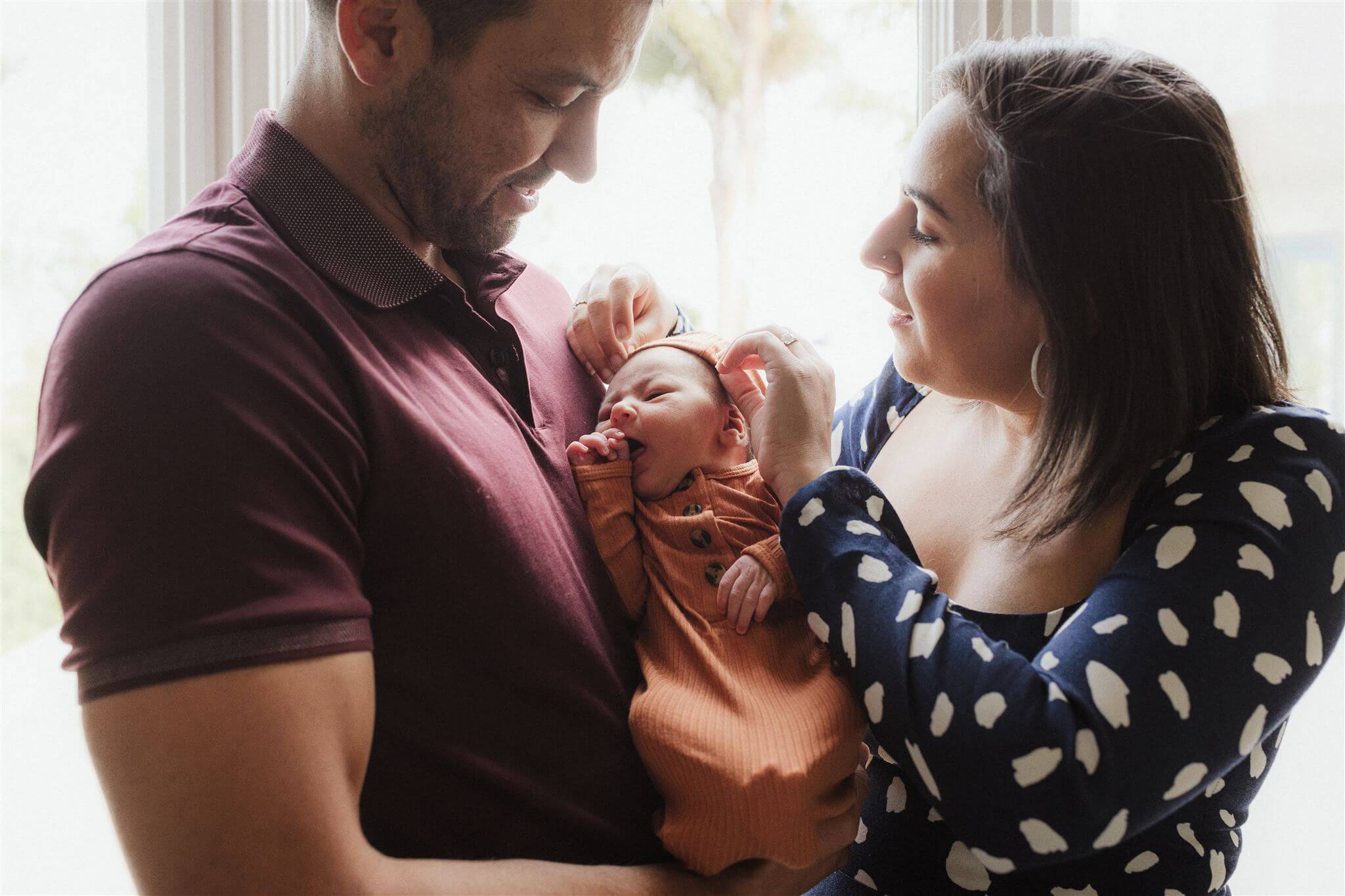
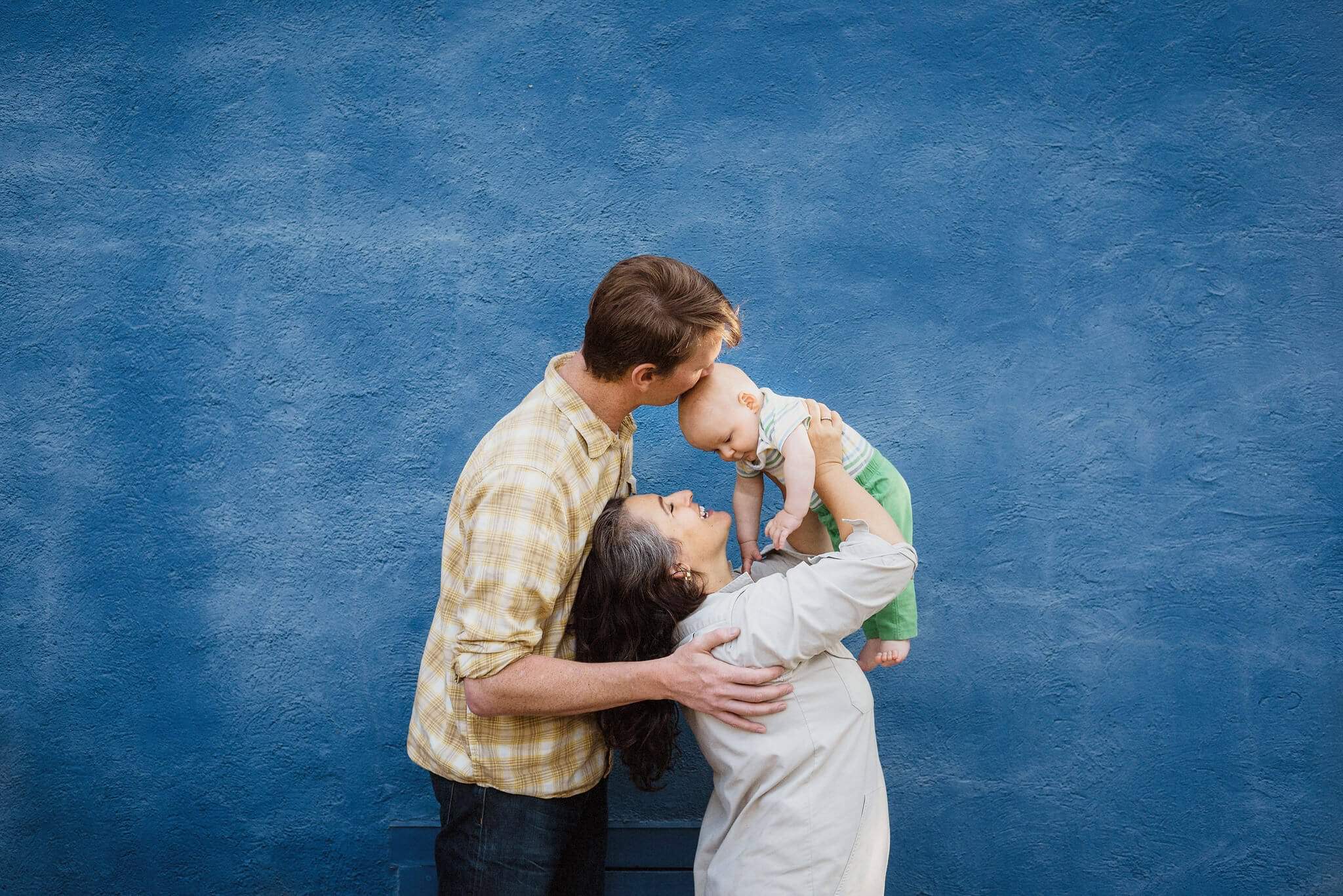
A newborn photographed naturally at home with family
01 · A newborn photographed naturally at home with family
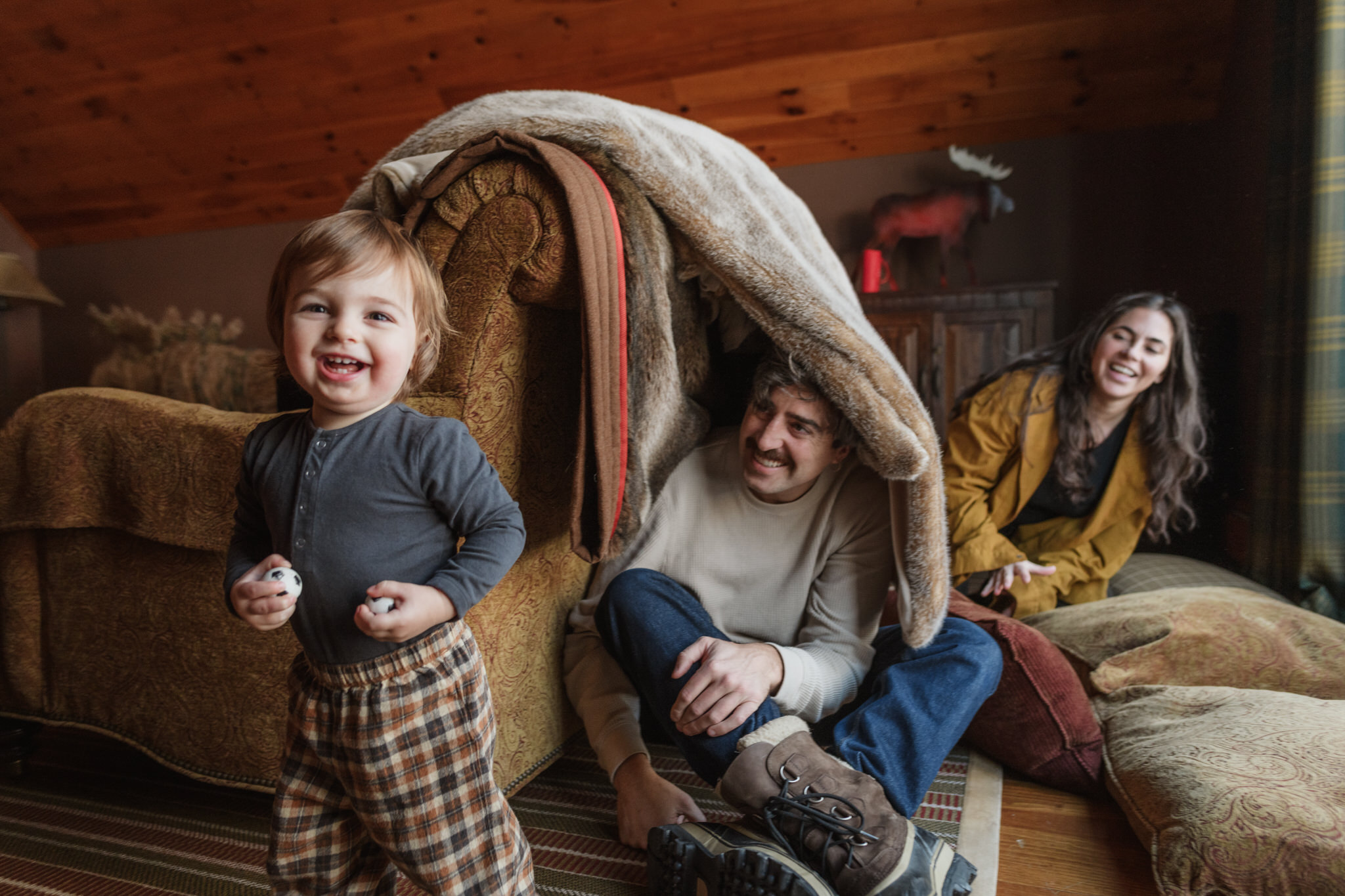
A newborn held by family in the rooms where their first weeks unfolded
02 · A newborn held by family in the rooms where their first weeks unfolded
An older sibling meeting the newborn at home
03 · An older sibling meeting the newborn at home
A parent and young child sharing a quiet moment at home
04 · A parent and young child sharing a quiet moment at home
02

Choose one coordinator who knows everyone.

The photographer cannot recognize a missing cousin or know which child belongs to which household. One calm person can gather the next group while the current photograph is being made.

03

Photograph the largest group early.

Elders, young children, travel, and attention become harder as the session continues. Make the complete group once everyone is comfortable, then release people through household and relationship combinations.

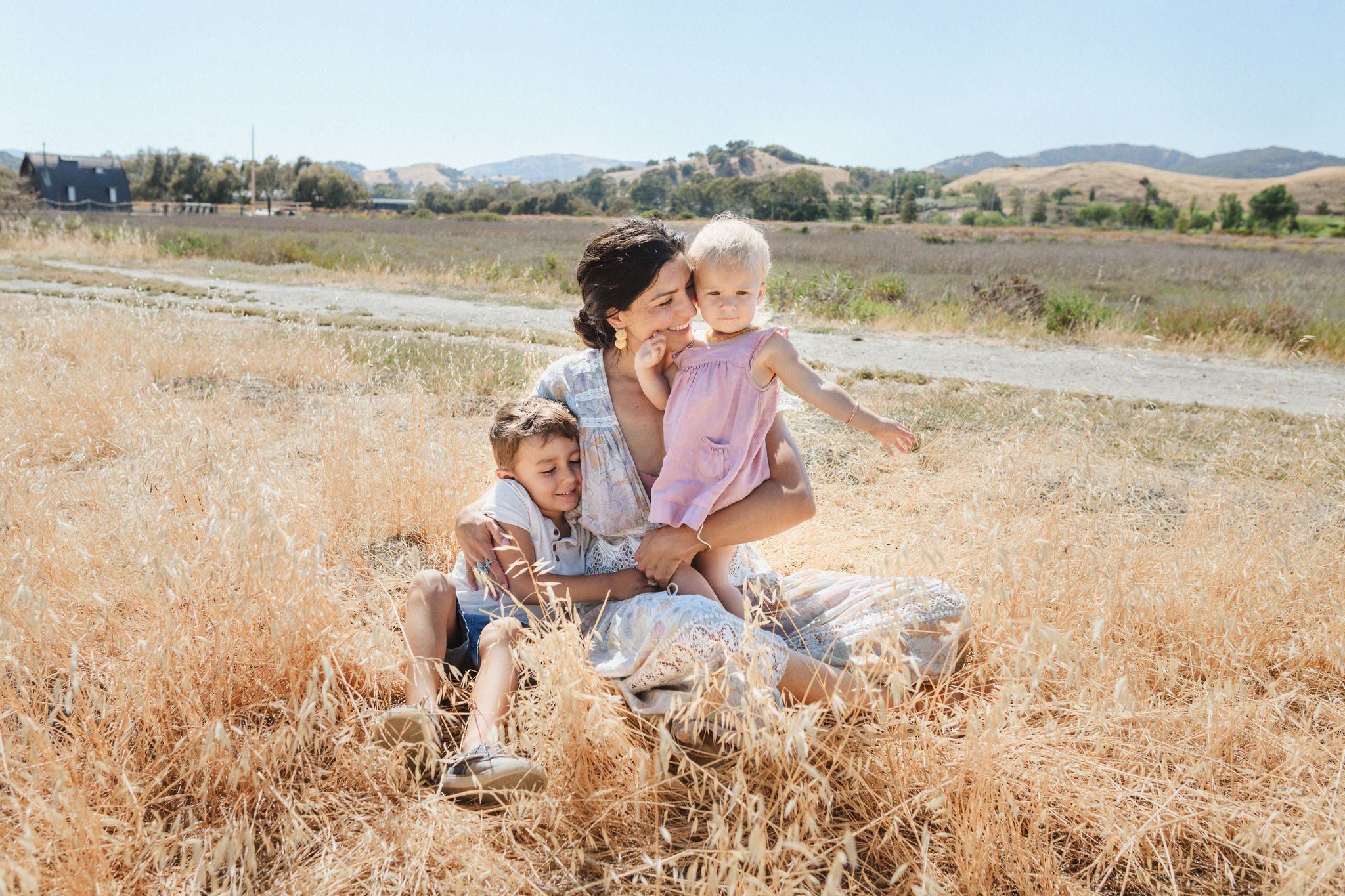
A Bay Area family together outdoors in natural light
09 · A Bay Area family together outdoors in natural light
A family sharing a quiet moment during a documentary session
10 · A family sharing a quiet moment during a documentary session
Children moving freely during a Bay Area family photography session
11 · Children moving freely during a Bay Area family photography session
A vertical portrait of a parent and child together
12 · A vertical portrait of a parent and child together
04

Leave time between the formal groups.

Grandparents greeting children, siblings teasing one another, cousins exploring, and households reconnecting carry family history differently than a lineup. A list should create order without consuming the entire session.

Organize the record, then let the gathering happen

Extended families need a short combination plan and a longer social one.

List households, grandparents, partners, chosen family, mobility needs, and any combination that carries particular meaning. Start with the largest group while everyone is present, then release people as the groups become smaller. Names are more useful than labels, and one family member who can identify everyone keeps the photographer from becoming the loudest stranger at the gathering.

After the formal record is secure, stop rebuilding the same lineup. Children with grandparents, adult siblings, cousins, meals, games, and people talking at the edge create the emotional depth. A location with seating, shade, bathrooms, and room for children matters more than a dramatic view that makes half the family uncomfortable.

  • Write names and households before writing combinations
  • Make the largest group first and release people gradually
  • Choose access, shade, seating, and bathrooms before scenery
  • Protect time for grandparents, cousins, and unplanned interaction

The short version

Keep these decisions visible.

  • Every participant listed by relationship and name
  • A designated family coordinator with the final list
  • A sequence that moves from least flexible and largest to smaller groups
  • Unassigned time for candid relationships and movement

Questions couples ask

Use the guide to make a decision, not another mood board.

What should we decide first about family photography?

Write each household and identify grandparents, siblings, partners, cousins, and chosen family. Relationship labels are faster to use on location than names alone; names remain helpful for addressing people directly.

What mistake creates the most pressure?

Grandparents greeting children, siblings teasing one another, cousins exploring, and households reconnecting carry family history differently than a lineup. A list should create order without consuming the entire session.

What is the short, practical version?

Keep these priorities visible: every participant listed by relationship and name; a designated family coordinator with the final list; a sequence that moves from least flexible and largest to smaller groups; unassigned time for candid relationships and movement.