Engagement sessions without awkward posing — see the work

what to wear maternity photos

What to wear for maternity photographs: shape, movement, comfort, and choice

A vertical maternity portrait in soft natural lightA vertical maternity portrait with a natural documentary feeling

Maternity clothing can reveal shape, create movement, or simply show how a person actually dressed during this season. There is no required dress, exposed belly, or neutral palette. The useful question is whether the clothes support comfort and the kind of photographs the family wants.

01

Decide how you want shape to appear.

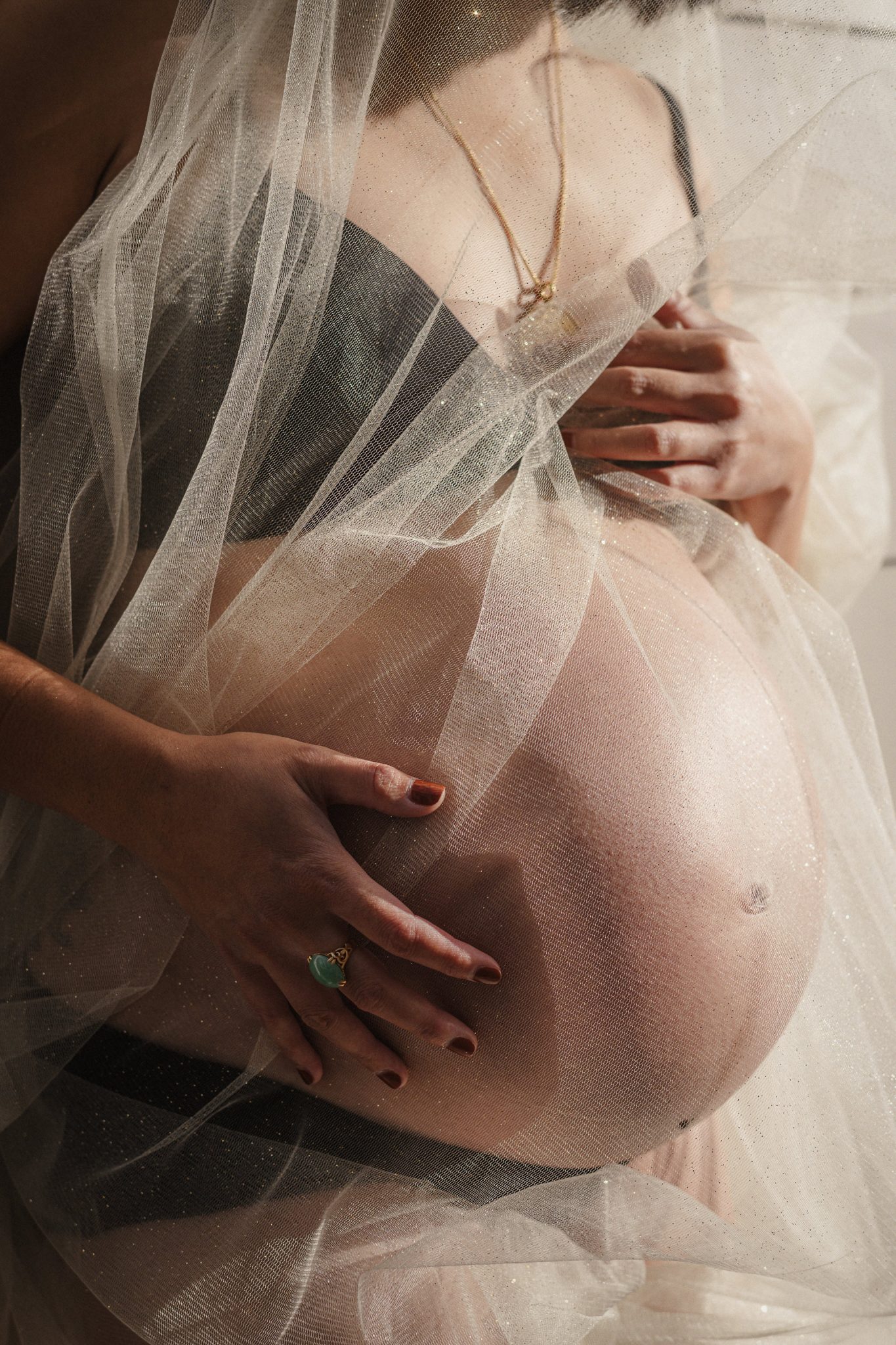
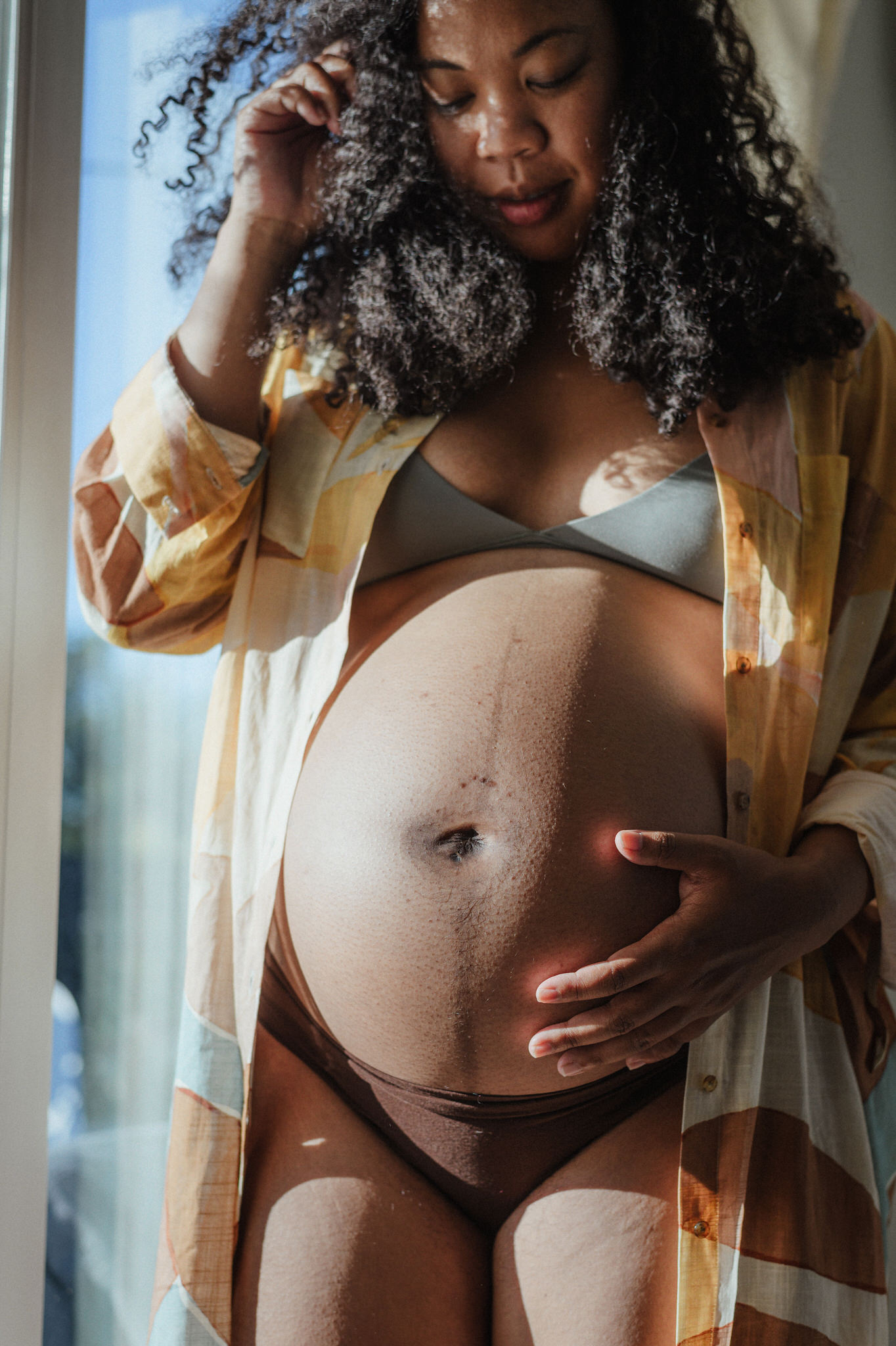
A fitted layer makes the outline clear; an open shirt, robe, or moving fabric changes with gesture; ordinary clothes make the photographs feel embedded in daily life. Choose deliberately rather than assuming maternity photographs require one silhouette.
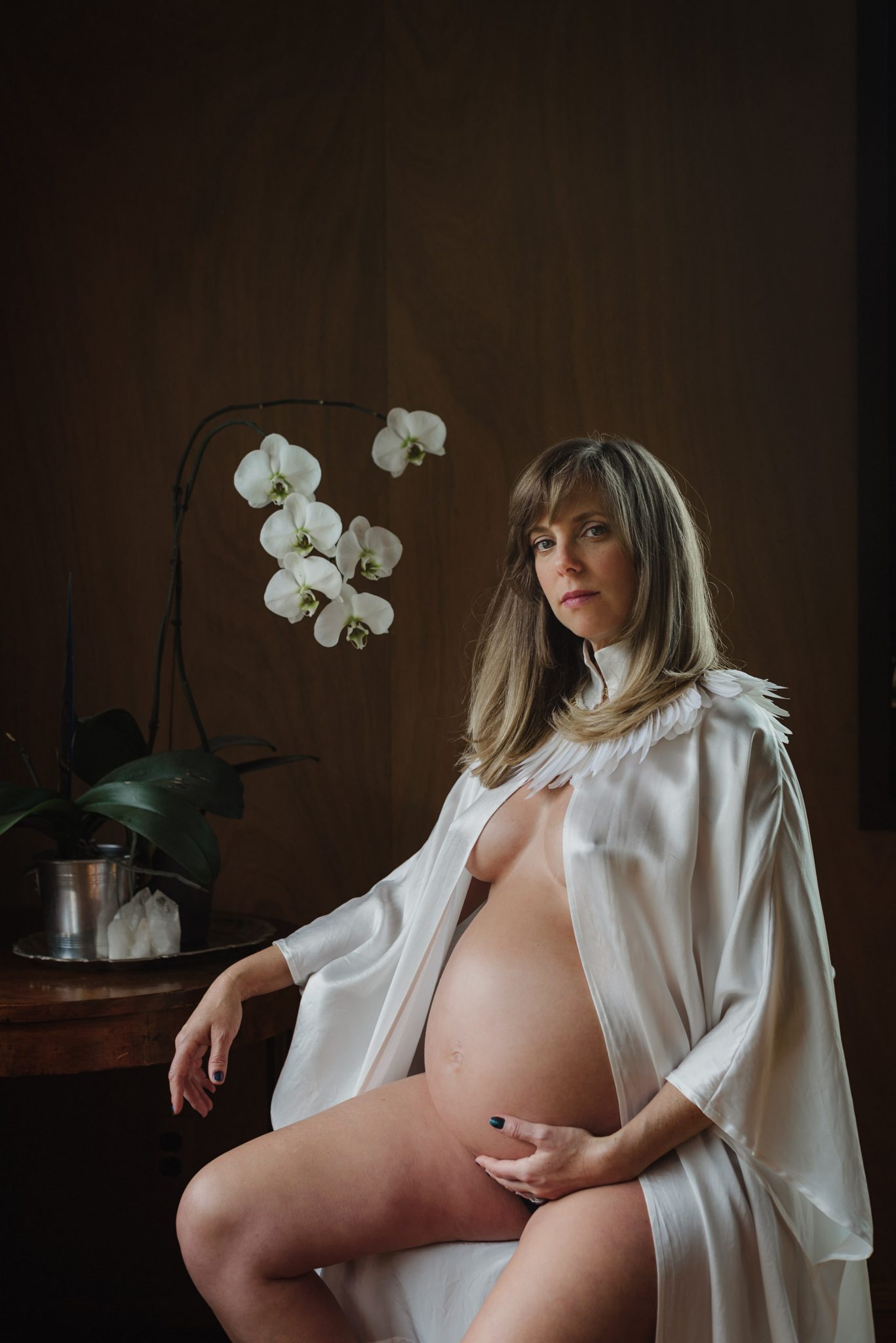
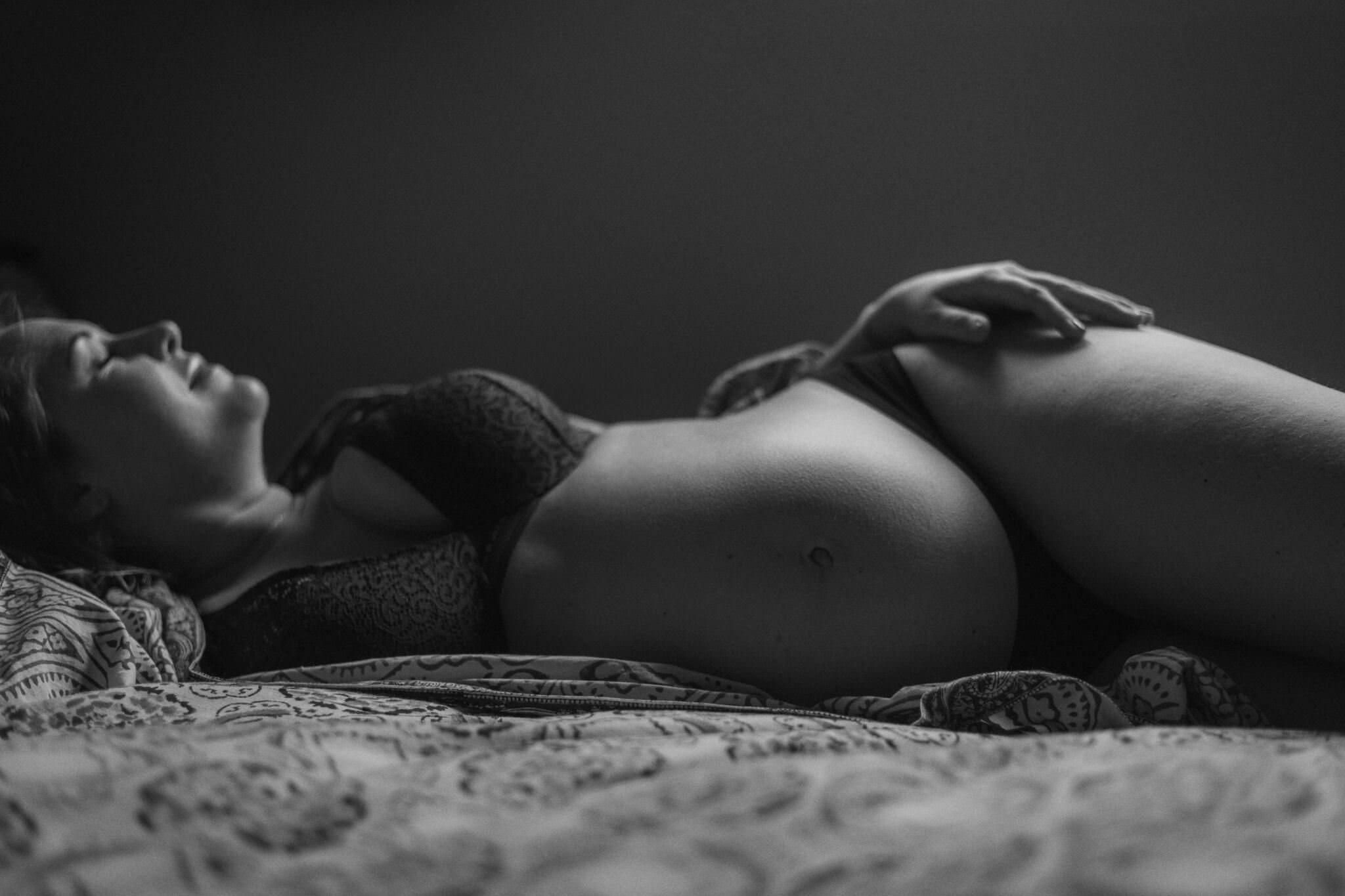
A quiet vertical maternity photograph at home
01 · A quiet vertical maternity photograph at home
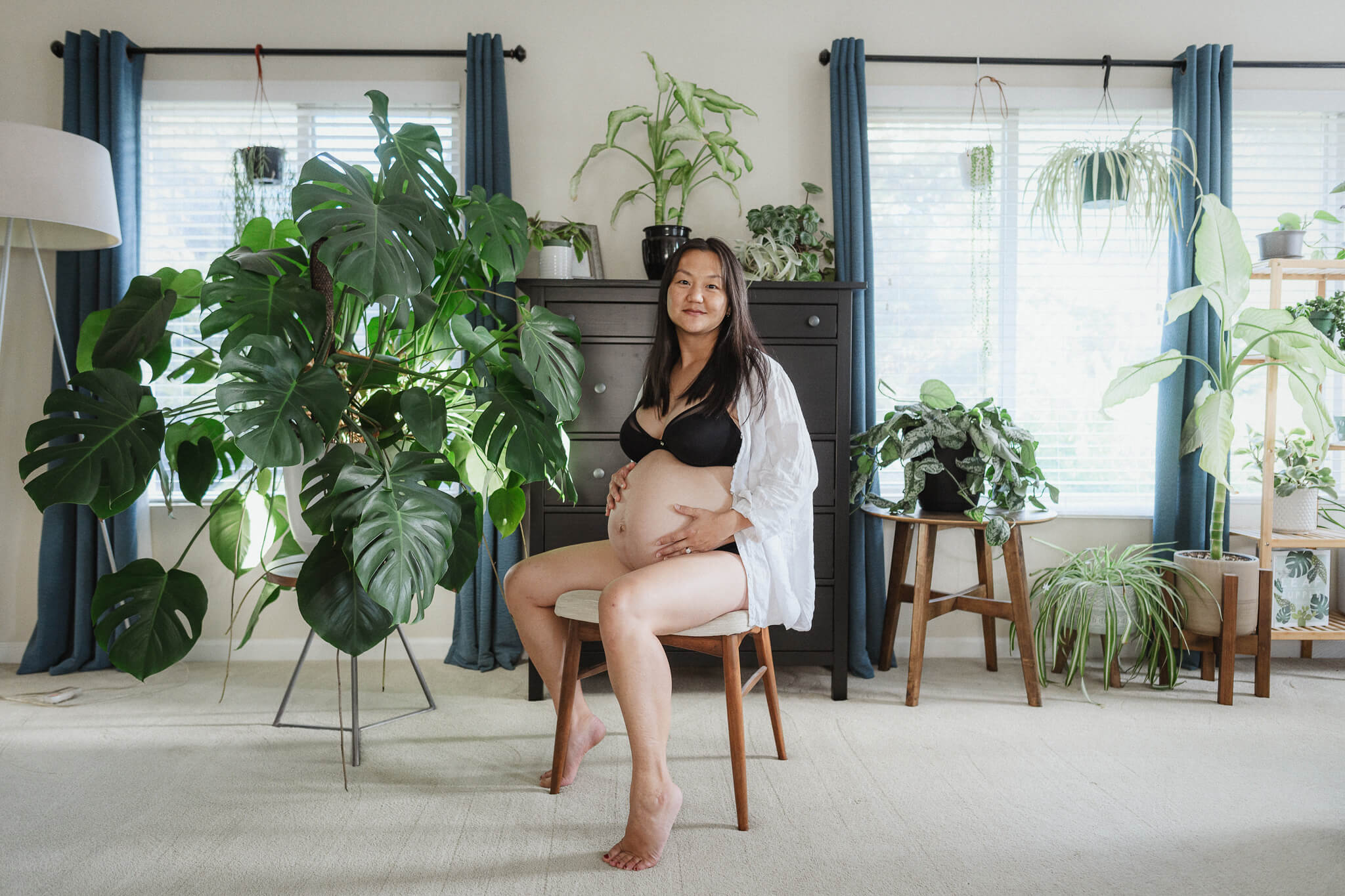
A relaxed maternity session photographed in the Bay Area
02 · A relaxed maternity session photographed in the Bay Area
A candid maternity photograph with the family already present
03 · A candid maternity photograph with the family already present
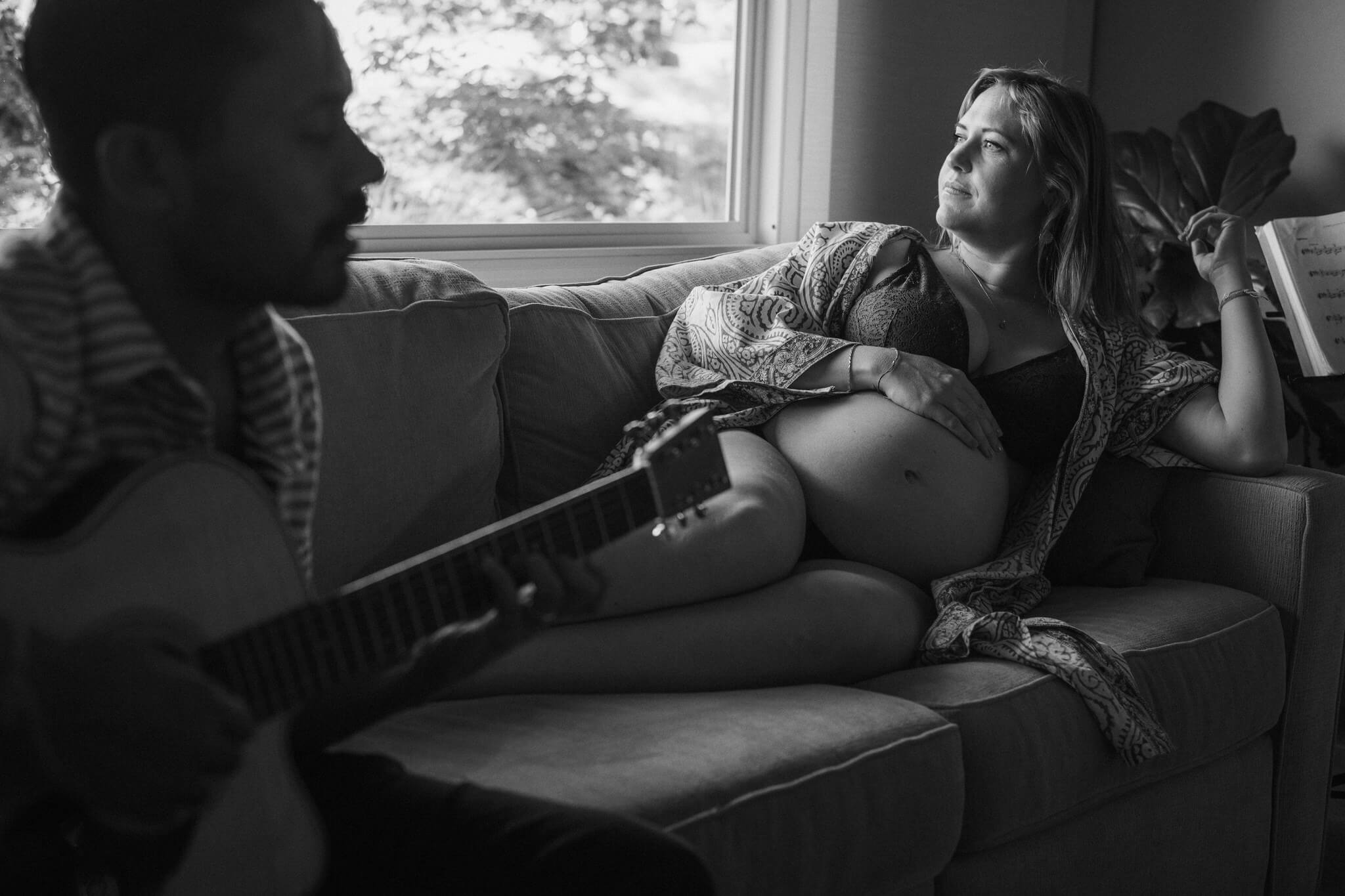
A candid black and white maternity photograph
04 · A candid black and white maternity photograph
02

Test sitting, walking, and temperature.

A garment that works for one standing portrait may become uncomfortable on the ground, in wind, or after twenty minutes. Bring a warm layer and shoes that support the location even if they do not appear in every photograph.

03

Coordinate family members loosely.

Partners and children should look like they joined the same day without becoming a matching set. Similar seasonal weight and formality are more important than a repeated color.

04

Bring one alternative, not a wardrobe rack.

A second layer or simple change can create range. Several complicated looks consume energy and move attention away from the family. The session should still have time to become about interaction.

Clothing should support the person and the setting

Wear something that can move, breathe, and still feel recognizable.

Begin with physical comfort, the amount of shape or skin the person wants to show, and the conditions of the location. A fitted dress, loose shirt, knit, bare midriff, ordinary jeans, or more dramatic piece can all work. Fabric should let someone sit, walk, lean, and breathe; a beautiful garment that requires constant correction will make the session feel like wardrobe management.

Coordinate partners and children through color relationships and formality rather than matching sets. Bring one practical layer for wind or temperature, and test undergarments in motion and daylight. One considered outfit with an optional small variation usually creates more continuity than several complete changes that repeatedly interrupt the experience.

  • Choose comfort and desired silhouette before a trend
  • Test sitting, walking, wind, and undergarments in advance
  • Coordinate the family without matching everyone
  • Use one main look and one easy variation at most

The short version

Keep these decisions visible.

  • A conscious choice between fitted, flowing, layered, or everyday clothing
  • The full outfit tested for movement, support, and weather
  • Shared level of formality without identical outfits
  • One easy alternative that changes the feeling without stopping the session

Questions couples ask

Use the guide to make a decision, not another mood board.

What should we decide first about family photography?

A fitted layer makes the outline clear; an open shirt, robe, or moving fabric changes with gesture; ordinary clothes make the photographs feel embedded in daily life. Choose deliberately rather than assuming maternity photographs require one silhouette.
What mistake creates the most pressure?

A second layer or simple change can create range. Several complicated looks consume energy and move attention away from the family. The session should still have time to become about interaction.

What is the short, practical version?

Keep these priorities visible: a conscious choice between fitted, flowing, layered, or everyday clothing; the full outfit tested for movement, support, and weather; shared level of formality without identical outfits; one easy alternative that changes the feeling without stopping the session.