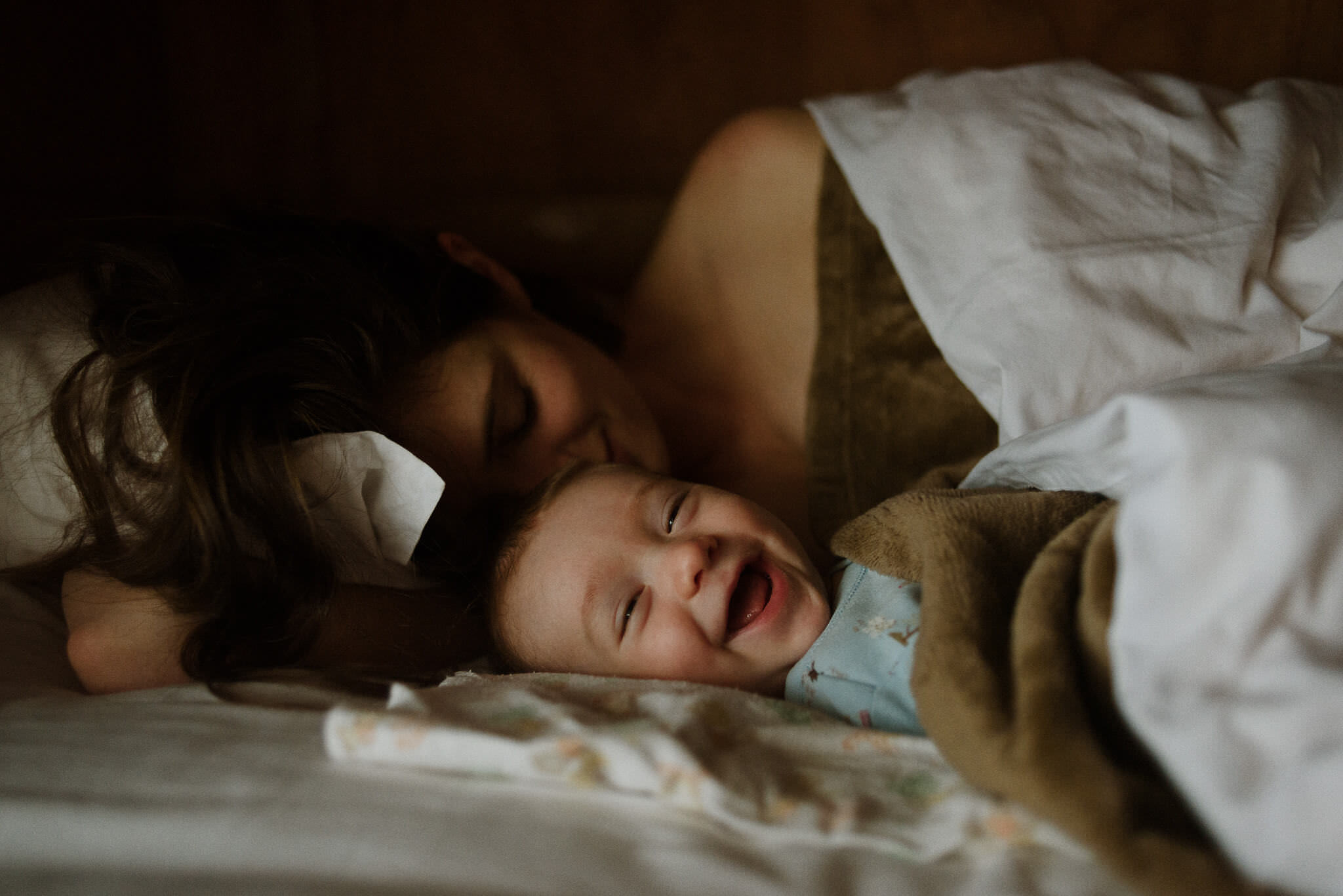
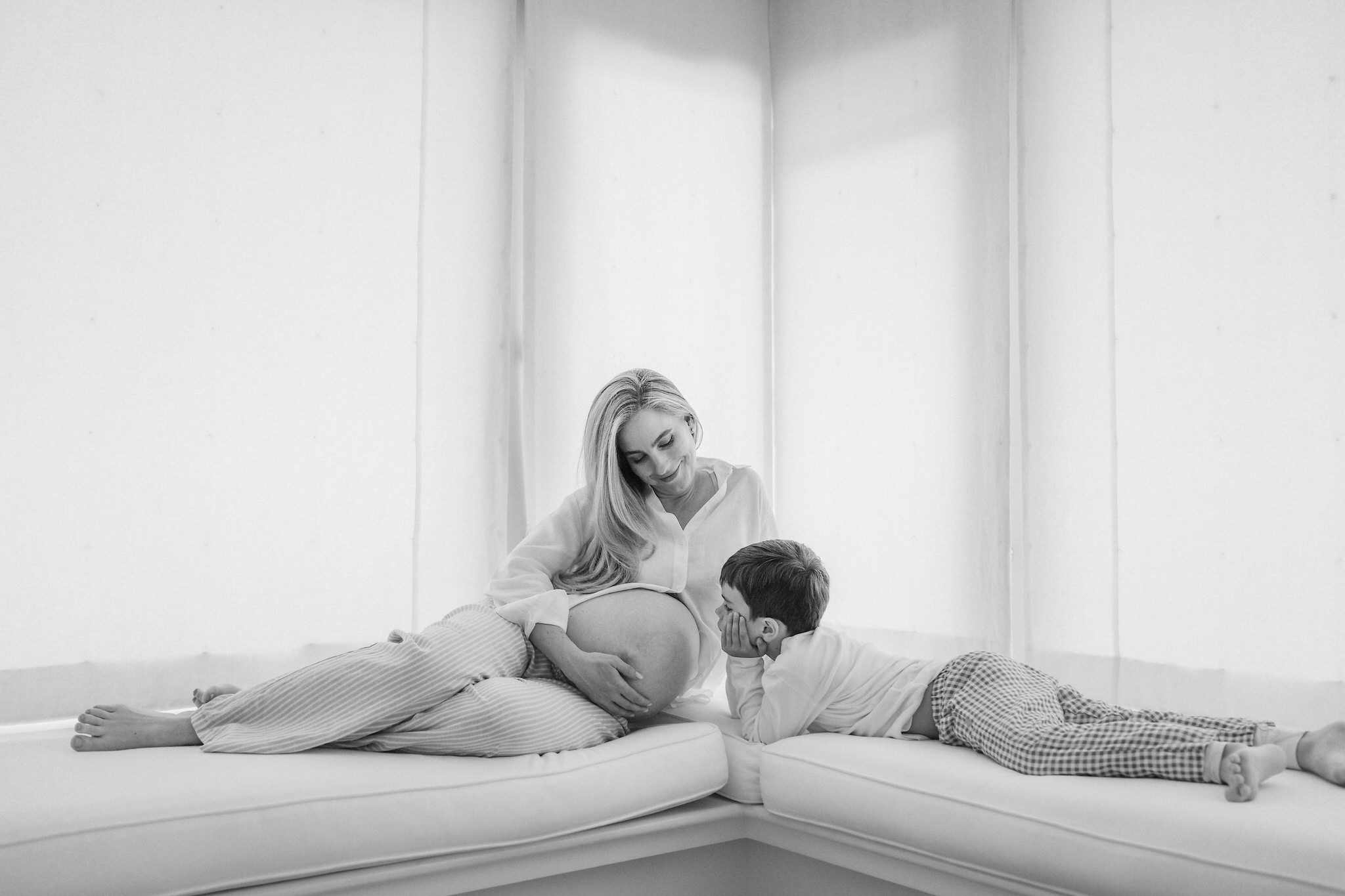
Start with comfort for the least flexible person.
A toddler who hates a collar, a baby who overheats, or a parent recovering from birth should shape the wardrobe first. Discomfort appears in posture and attention long before it becomes a visible meltdown.
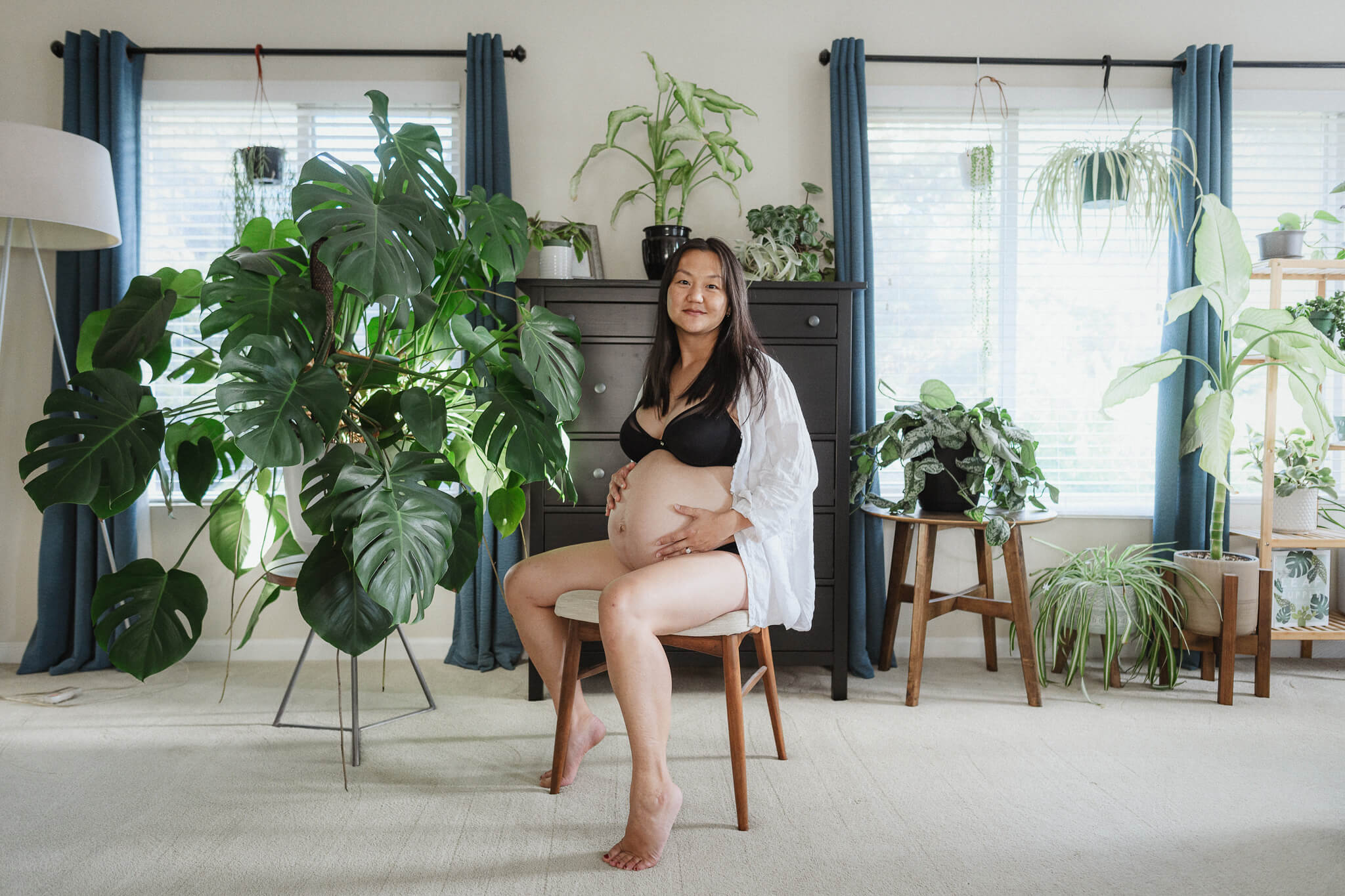
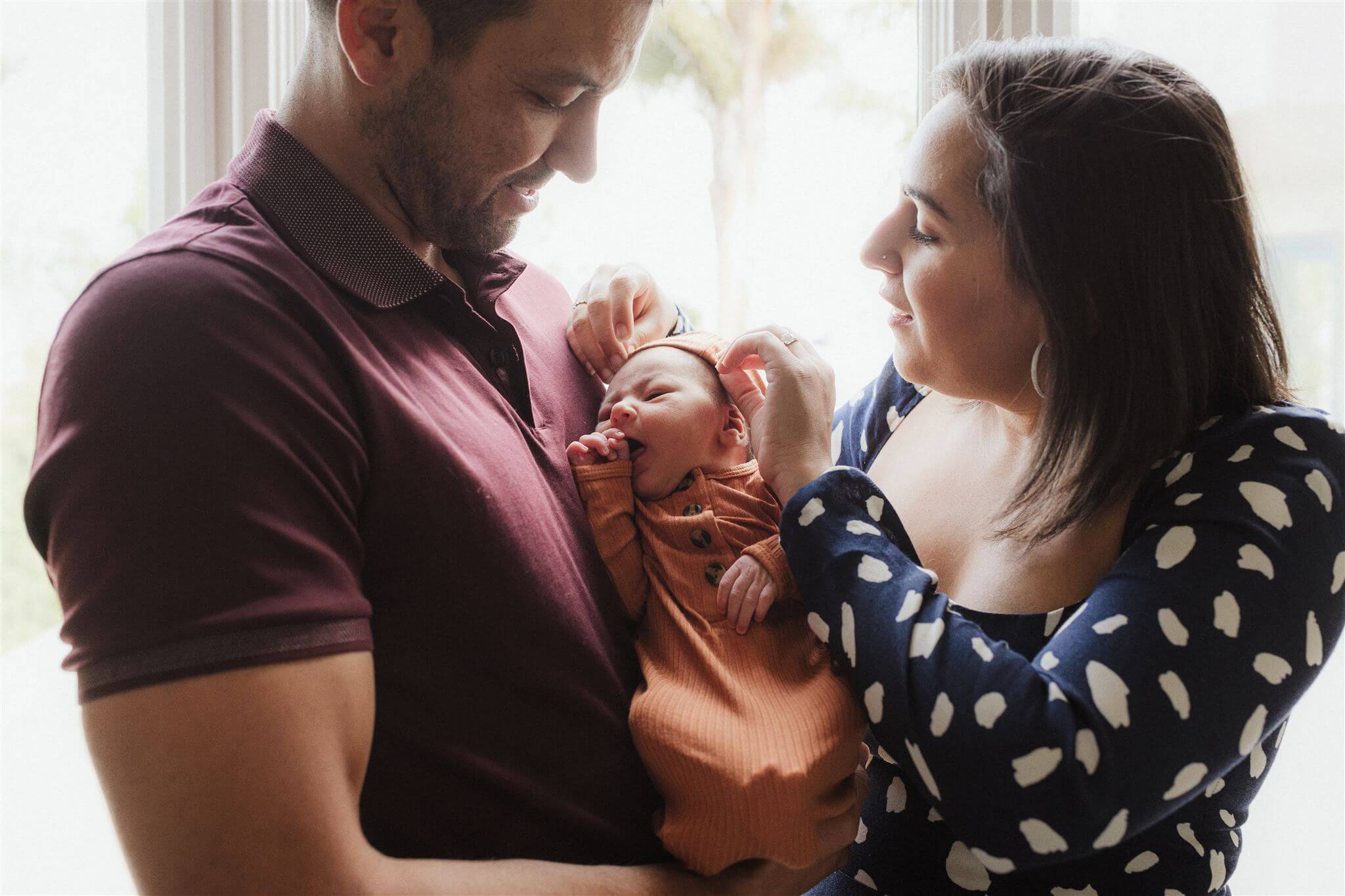


Coordinate weight and formality.
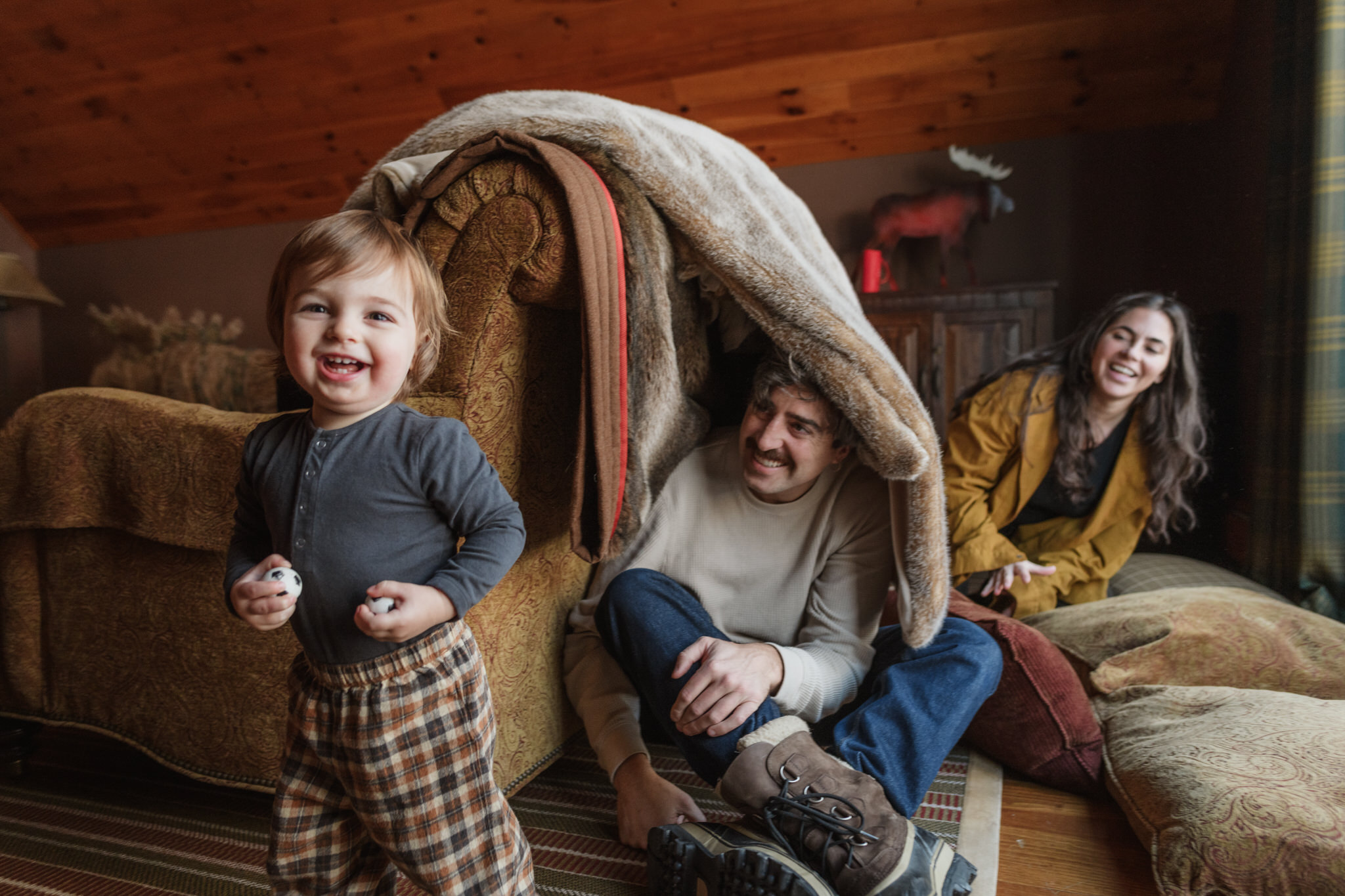
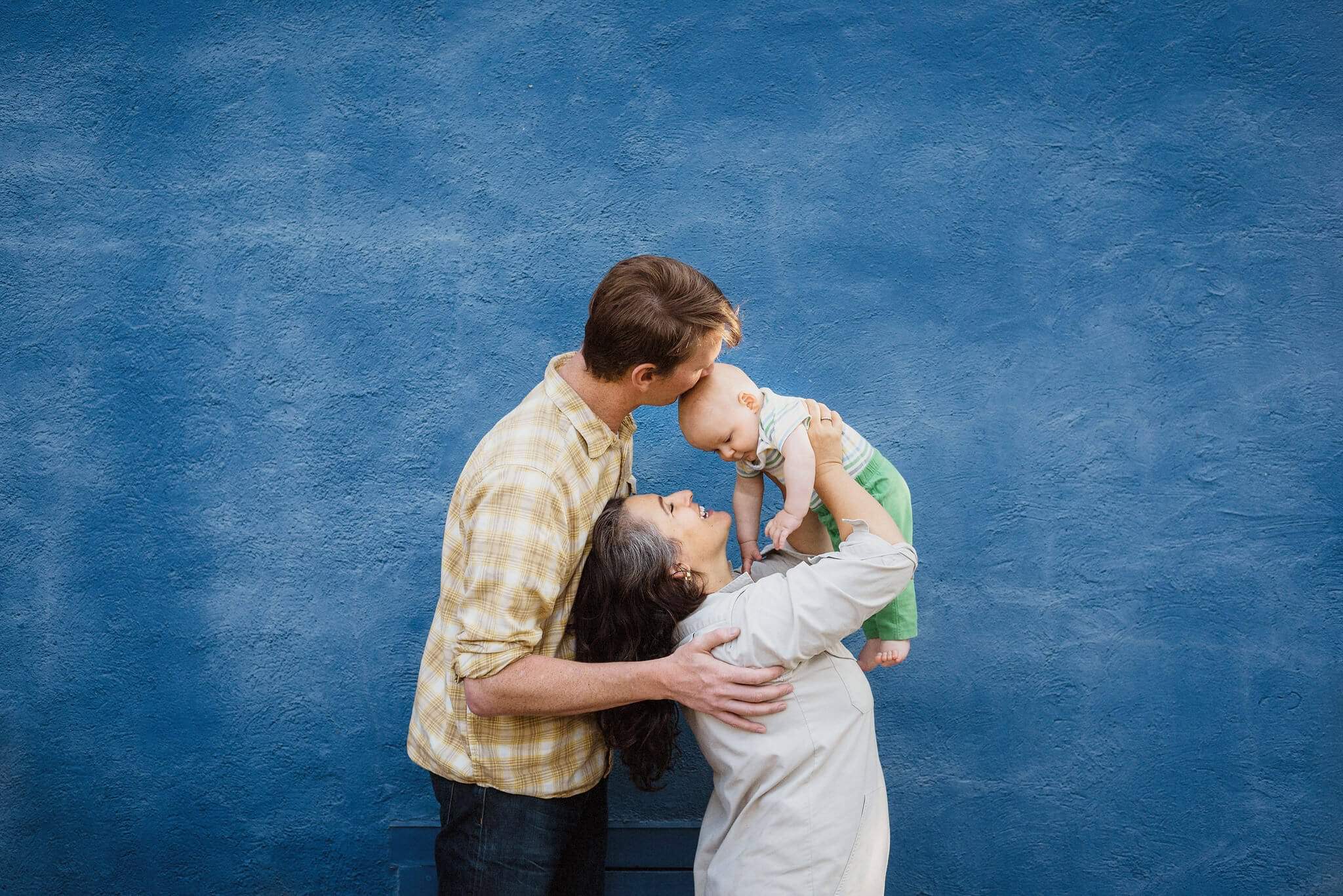
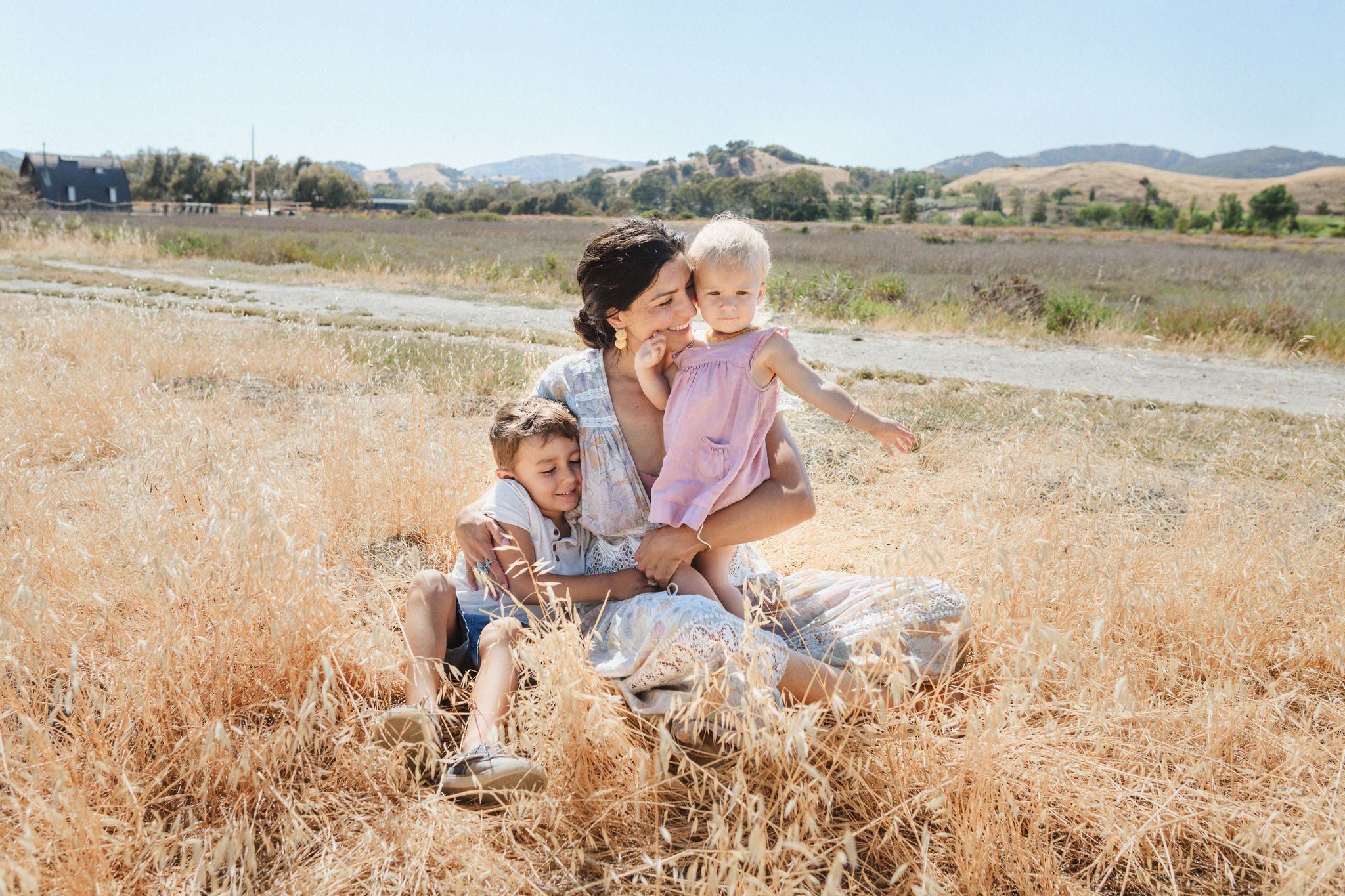
Denim, linen, knits, dresses, and coats can all work together when they belong to the same weather and occasion. Exact color matching tends to flatten people into a set rather than a family.
Let one pattern lead.
Pattern gives a group personality, especially when it is already part of someone’s style. Repeat a small color or texture elsewhere if helpful, but avoid several large competing prints.

Plan for the ground and weather.
Beach sand, damp grass, redwood paths, and a living-room floor all affect shoes and hems. Bring layers and accept that clothes may wrinkle, move, or get dirty while people actually use the location.