Engagement sessions without awkward posing — see the work

newborn photos with siblings

Newborn photographs with siblings: protect safety and the older child’s place

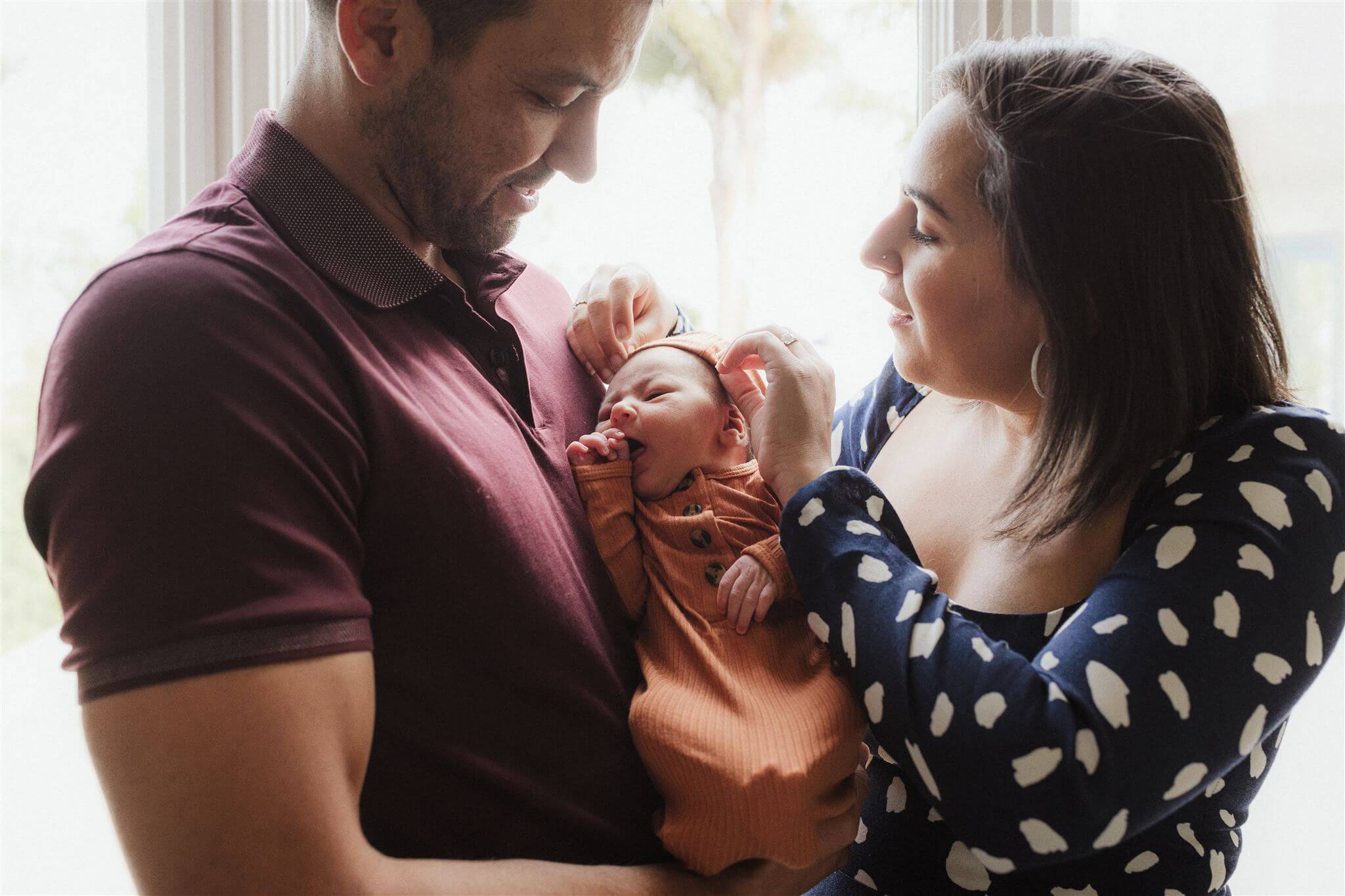
An older sibling meeting the newborn at homeA newborn photographed naturally at home with family

A newborn session with siblings is also a story about a family changing. The older child does not need to perform affection on command. Safety, short invitations, individual attention, and room to step away produce a more honest record of the transition.

01

Make the sibling chapter early.

Older children may have a short window of curiosity and attention. Once the baby is settled, invite a few safe interactions before asking the sibling to wait through adult or newborn-only photographs.

A newborn held by family in the rooms where their first weeks unfolded
01 · A newborn held by family in the rooms where their first weeks unfolded
A parent and young child sharing a quiet moment at home
02 · A parent and young child sharing a quiet moment at home
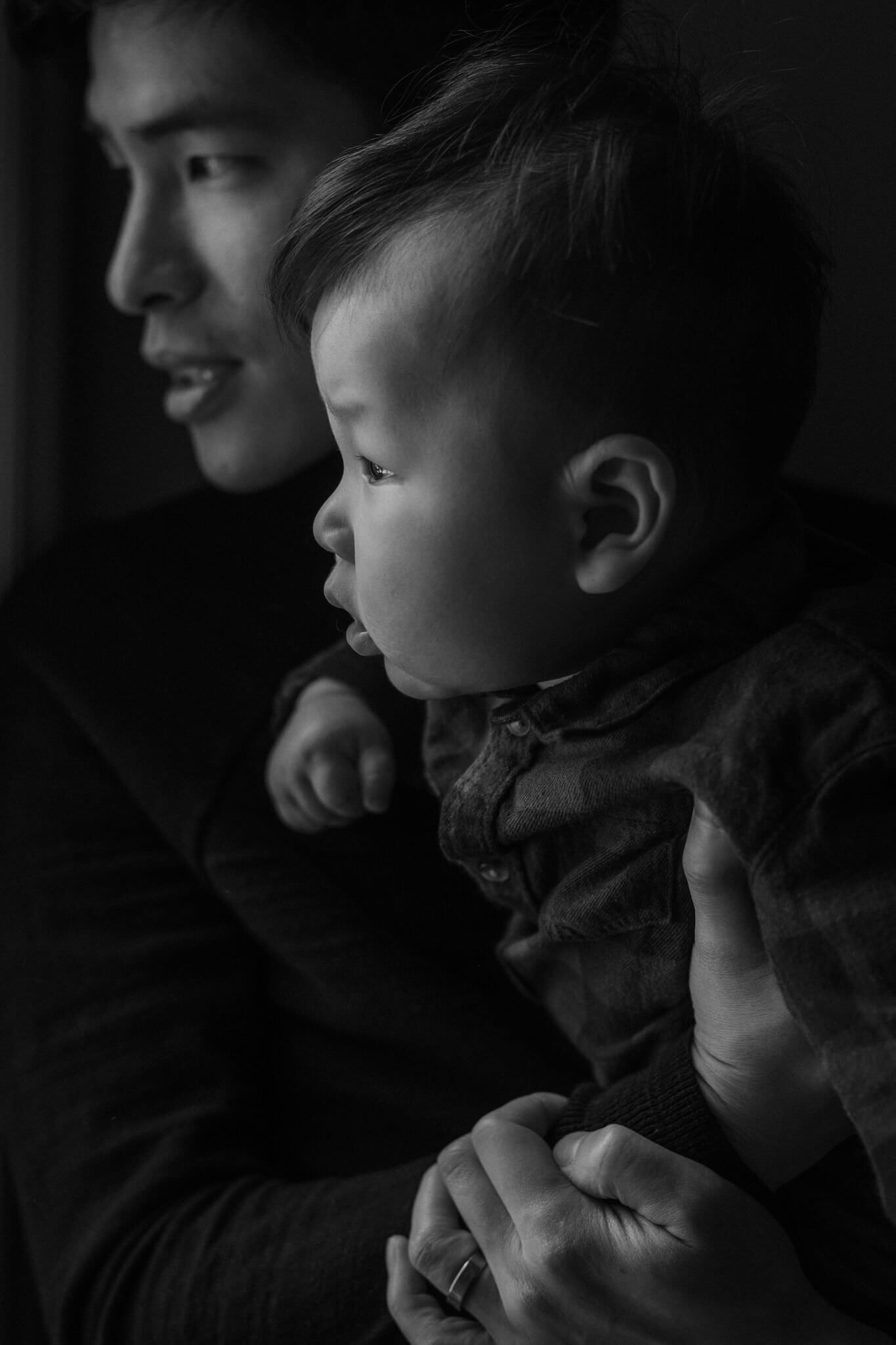
A black and white vertical family photograph at home
03 · A black and white vertical family photograph at home
02

Use positions adults can control.

A parent holding the newborn beside the sibling, everyone on a bed, or a child approaching while an adult supports the baby keeps the interaction safe. Do not depend on a young child holding or balancing a newborn independently.

03

Give the older child a separate photograph.

The session should not make the sibling feel replaced by the new subject. A short portrait or activity with one parent recognizes that the family story still includes their individual life.

04

Accept mixed feelings.

Curiosity, distance, pride, boredom, and frustration can all be real. A complete story does not need to convert every emotion into a smile or ask the child to repeat a gesture they have finished.

Short invitations work better than long expectations

Let an older child meet the baby in their own way.

Begin the sibling chapter early, while attention is available, and make the safest clear photograph first. Then offer simple choices: sit beside a parent, look at the baby’s feet, bring a favorite book, or show the baby something from the room. Affection should never be forced, and hesitation, curiosity, silliness, or a need for distance can all describe the relationship honestly.

A parent or another trusted adult should remain close enough to support the newborn whenever children share a surface. After a few minutes, release the older child and continue with parents and baby. They often return voluntarily once the pressure disappears, which is when the more spontaneous sibling photographs become possible.

  • Photograph siblings early and keep the first request simple
  • Keep a supporting adult within reach of the newborn
  • Never require touch, kissing, or a particular expression
  • Let the older child leave and return without making it a failure

The short version

Keep these decisions visible.

  • Sibling and full-family photographs prioritized near the beginning
  • Every sibling setup includes direct adult control of newborn safety
  • Time reserved for the older child alone or with a parent
  • Expectations based on the child’s age and current adjustment

Questions couples ask

Use the guide to make a decision, not another mood board.

What should we decide first about family photography?

Older children may have a short window of curiosity and attention. Once the baby is settled, invite a few safe interactions before asking the sibling to wait through adult or newborn-only photographs.
What mistake creates the most pressure?

Curiosity, distance, pride, boredom, and frustration can all be real. A complete story does not need to convert every emotion into a smile or ask the child to repeat a gesture they have finished.

What is the short, practical version?

Keep these priorities visible: sibling and full-family photographs prioritized near the beginning; every sibling setup includes direct adult control of newborn safety; time reserved for the older child alone or with a parent; expectations based on the child’s age and current adjustment.