Engagement sessions without awkward posing — see the work

at home newborn photography guide

At-home newborn photography without turning the house into a studio

A newborn held by family in the rooms where their first weeks unfoldedAn older sibling meeting the newborn at home

A newborn session at home can hold the scale of this brief season: the rooms, routines, exhaustion, tenderness, older siblings, and small details that change quickly. The house does not need to be perfect and the baby does not need to follow a schedule for the photographs.

01

Prepare one or two rooms, not the whole house.

Choose the spaces with the best window light and the most meaning. Clear distracting surfaces if you want, but keep the objects that locate this chapter of family life. A lived-in room is not a problem to erase.

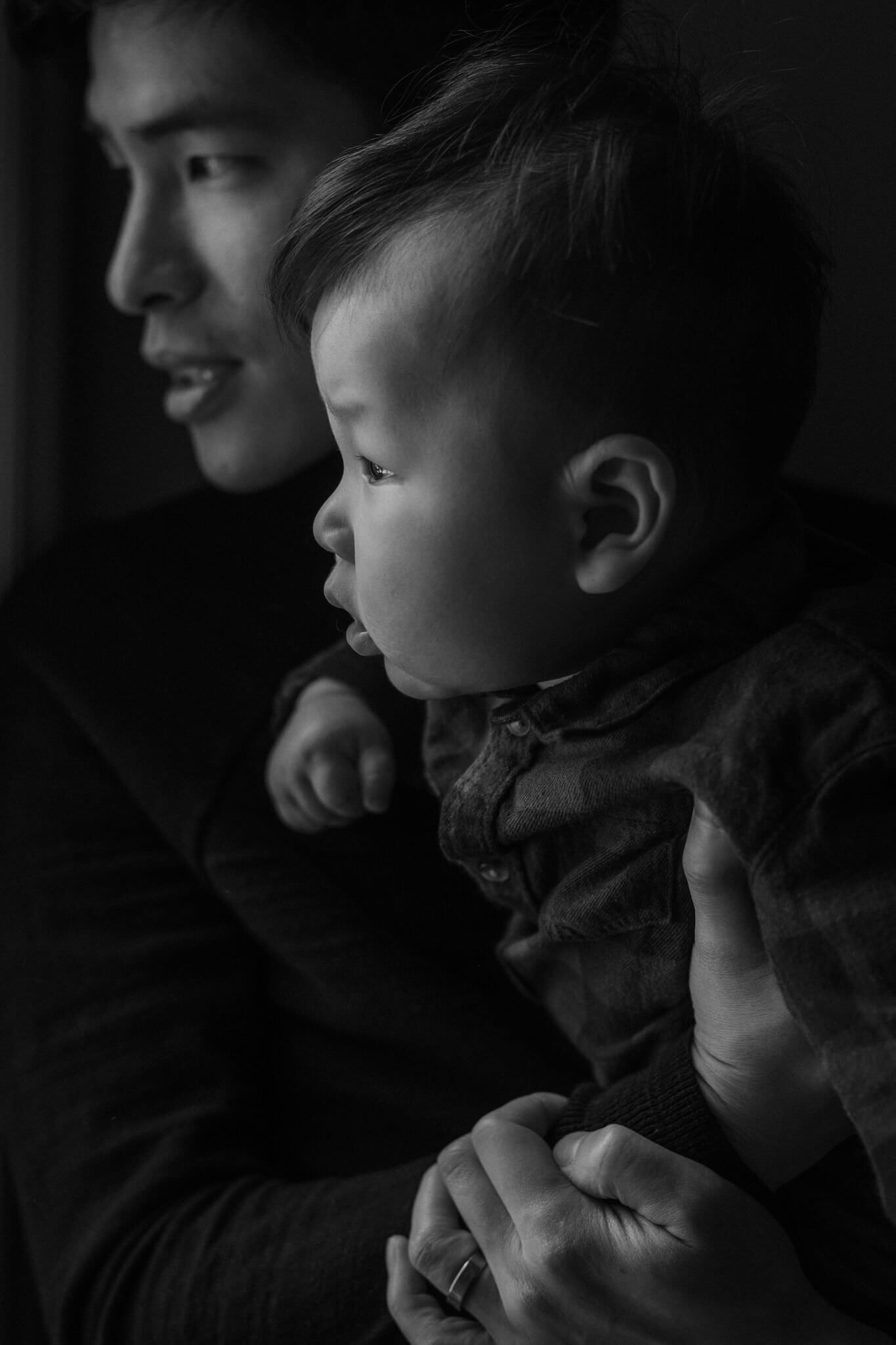
A parent and young child sharing a quiet moment at home
01 · A parent and young child sharing a quiet moment at home
A black and white vertical family photograph at home
02 · A black and white vertical family photograph at home
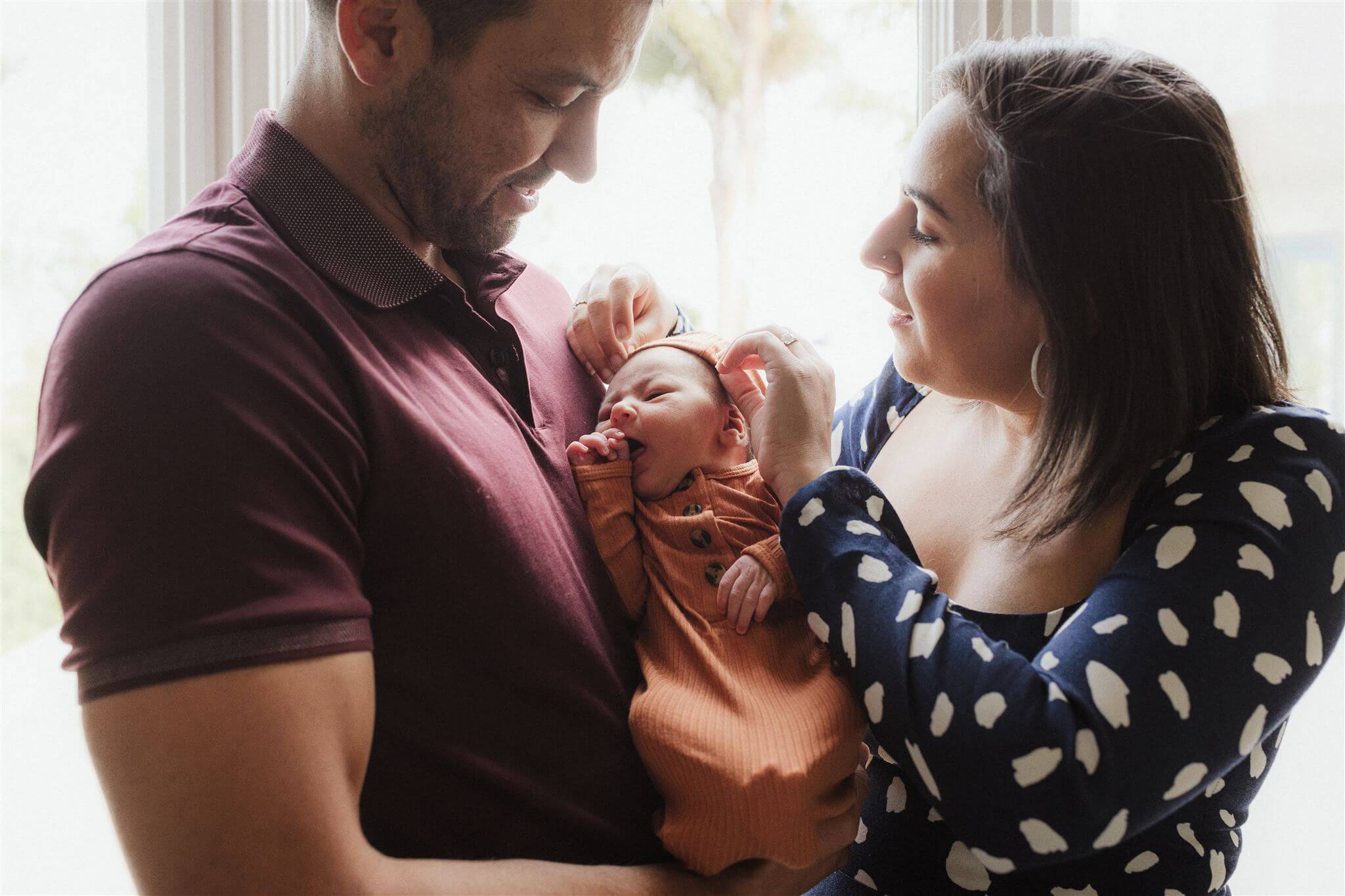
A newborn photographed naturally at home with family
03 · A newborn photographed naturally at home with family
02

Let feeding and soothing determine the pace.

Build pauses into the session and expect the order to change. Feeding, changing, rocking, and settling are not interruptions; they are part of newborn life and often become some of the most meaningful photographs.

03

Photograph siblings before asking too much of them.

Older children may have a short window of curiosity or cooperation. Begin with the relationships that include them, then release them to play. They do not need to hold or kiss the baby on command for the connection to be visible.

04

Keep newborn posing safe and simple.

We work with positions a baby settles into naturally and keep a parent within reach. The goal is a record of the baby and family, not an elaborate construction that requires the newborn to tolerate being handled for a photograph.

A session that follows the baby

The first weeks already contain enough structure for a complete story.

Photographs can begin with the baby alone in a safe, simple place, then move through feeding, holding, changing, soothing, siblings, pets, and the rooms the family is learning to use differently. The baby does not need to sleep through the session, and parents do not need to arrive rested or camera-ready. Small acts of care are the visual language.

Use one or two windows rather than trying to photograph the entire home. Neutral bedding can help, but a nursery is optional and a spotless house is unnecessary. The most valuable context is often scale: a newborn against a parent’s hands, the way a sibling approaches, or the ordinary chair where nights are currently happening.

  • Keep feeding and soothing supplies within reach
  • Use safe, natural positions rather than complicated posing
  • Include parents before anyone feels fully ready
  • Photograph the rooms and routines that will change first

The short version

Keep these decisions visible.

  • One or two comfortable rooms with useful window light
  • Enough time for feeding, changing, and unplanned pauses
  • Sibling photographs planned early and without forced interaction
  • Natural, supported positions with a parent always nearby

Questions couples ask

Use the guide to make a decision, not another mood board.

What should we decide first about family photography?

Choose the spaces with the best window light and the most meaning. Clear distracting surfaces if you want, but keep the objects that locate this chapter of family life. A lived-in room is not a problem to erase.
What mistake creates the most pressure?

We work with positions a baby settles into naturally and keep a parent within reach. The goal is a record of the baby and family, not an elaborate construction that requires the newborn to tolerate being handled for a photograph.

What is the short, practical version?

Keep these priorities visible: one or two comfortable rooms with useful window light; enough time for feeding, changing, and unplanned pauses; sibling photographs planned early and without forced interaction; natural, supported positions with a parent always nearby.