Engagement sessions without awkward posing — see the work

at home family photo session

At-home family photographs: use the life already inside the house

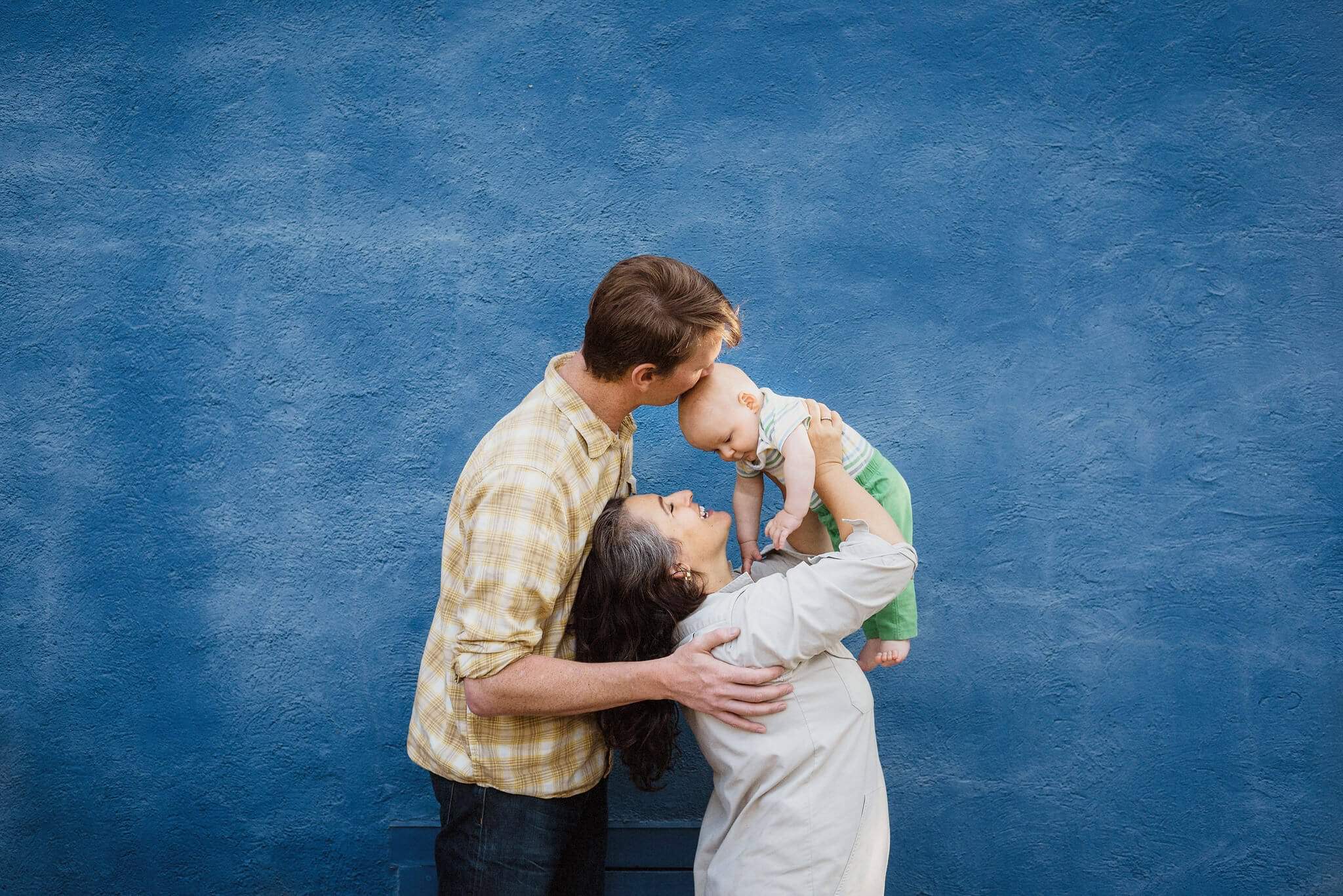
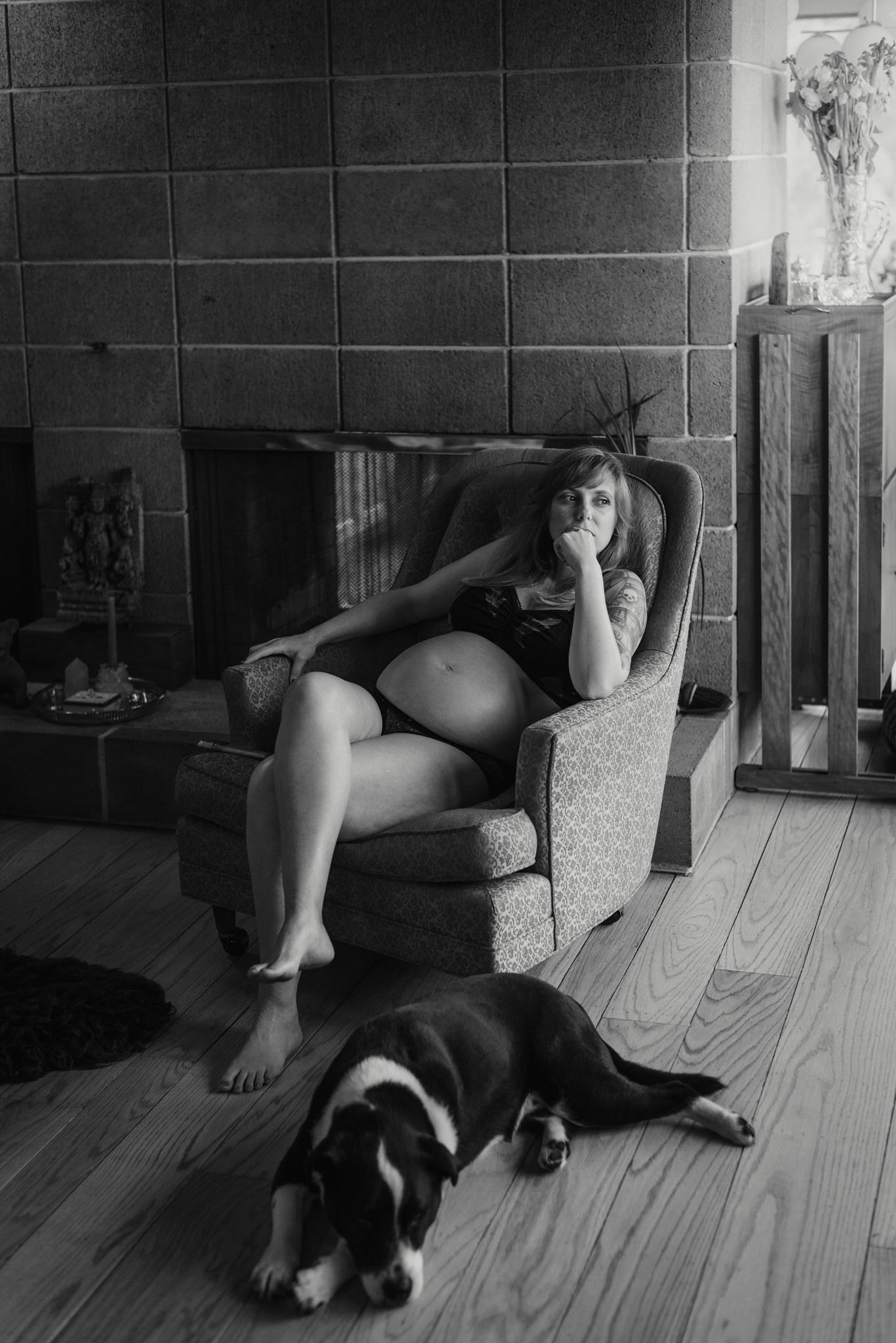
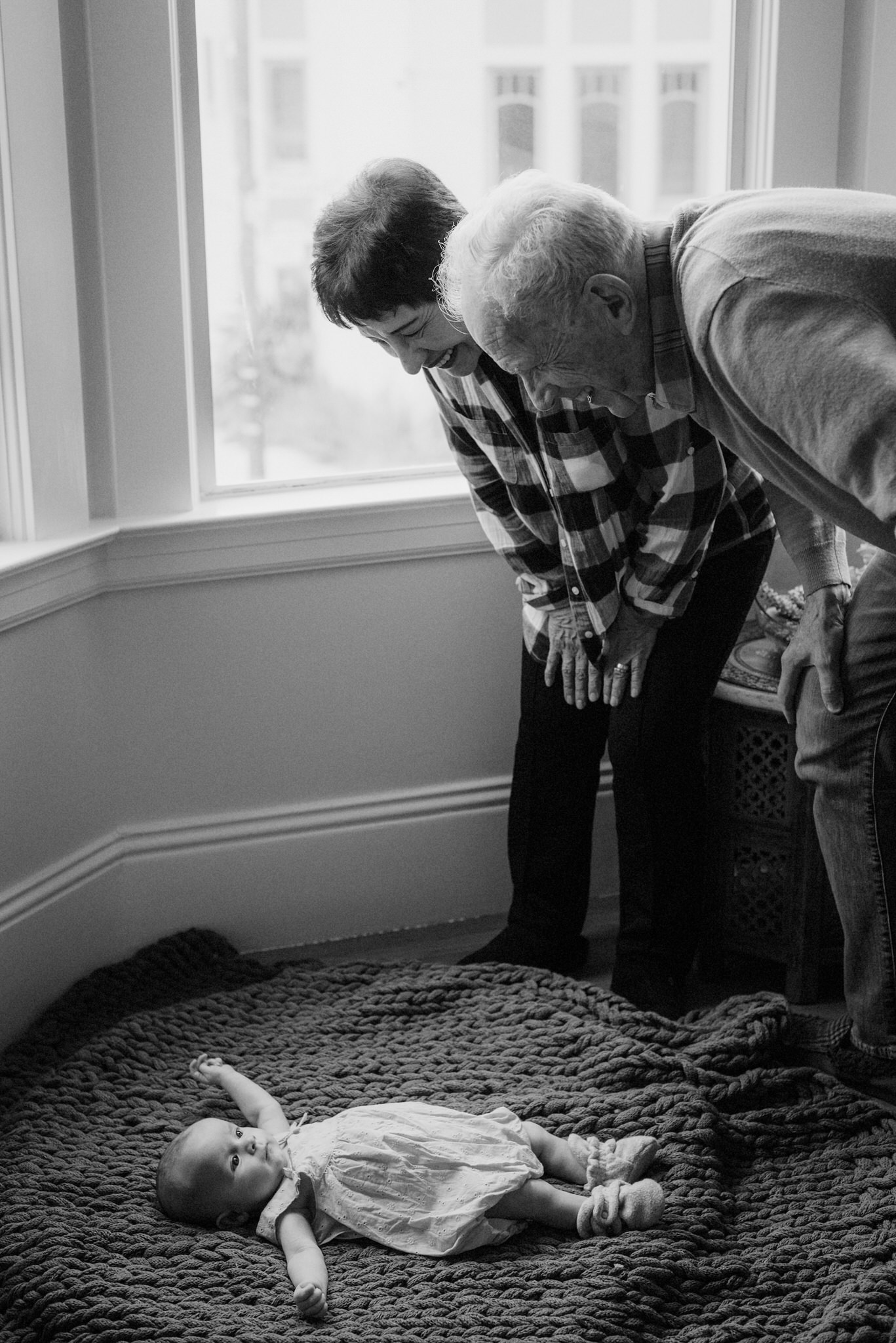
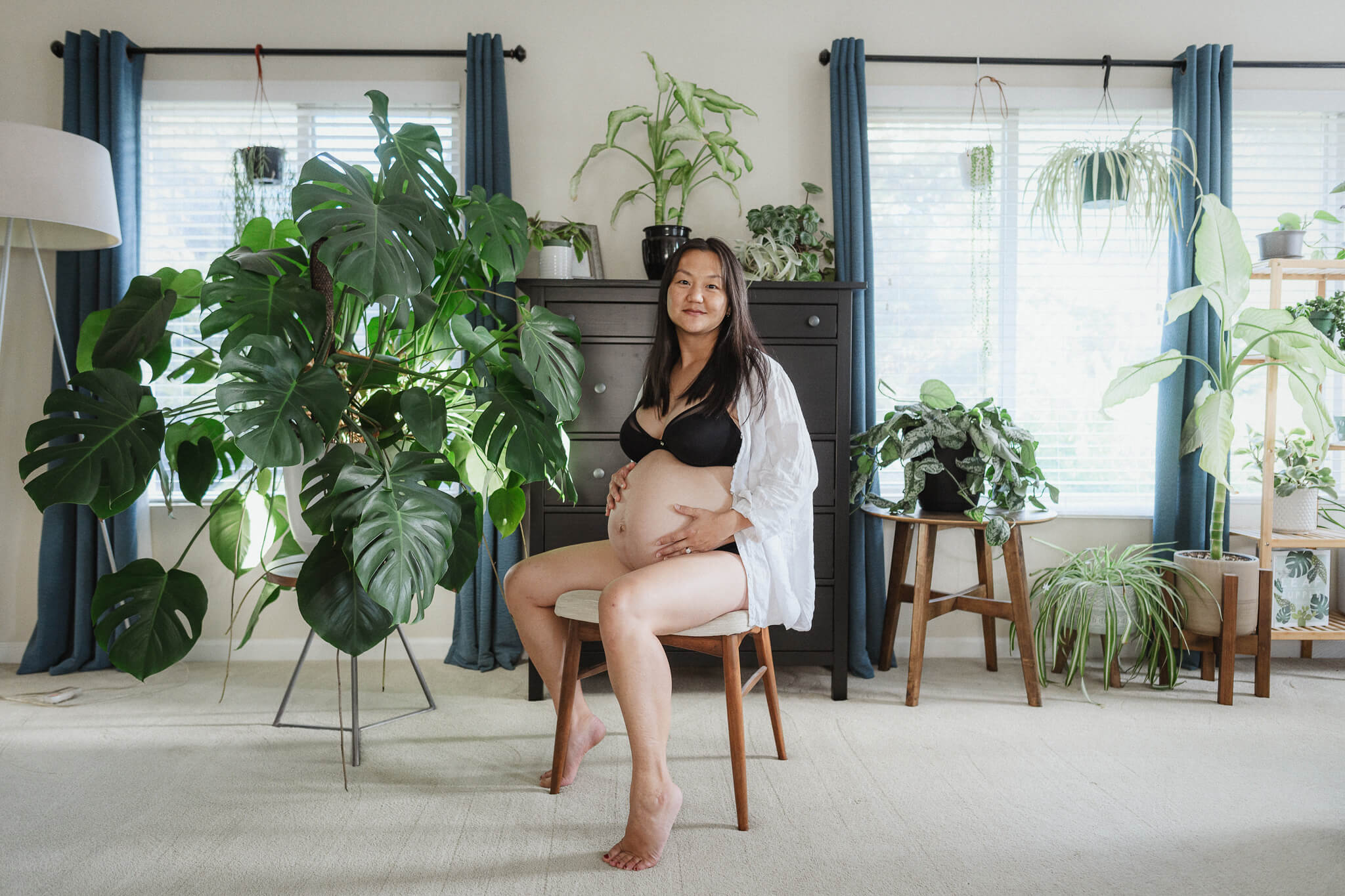
An unposed vertical family photograph in the Bay AreaA candid maternity photograph with the family already present

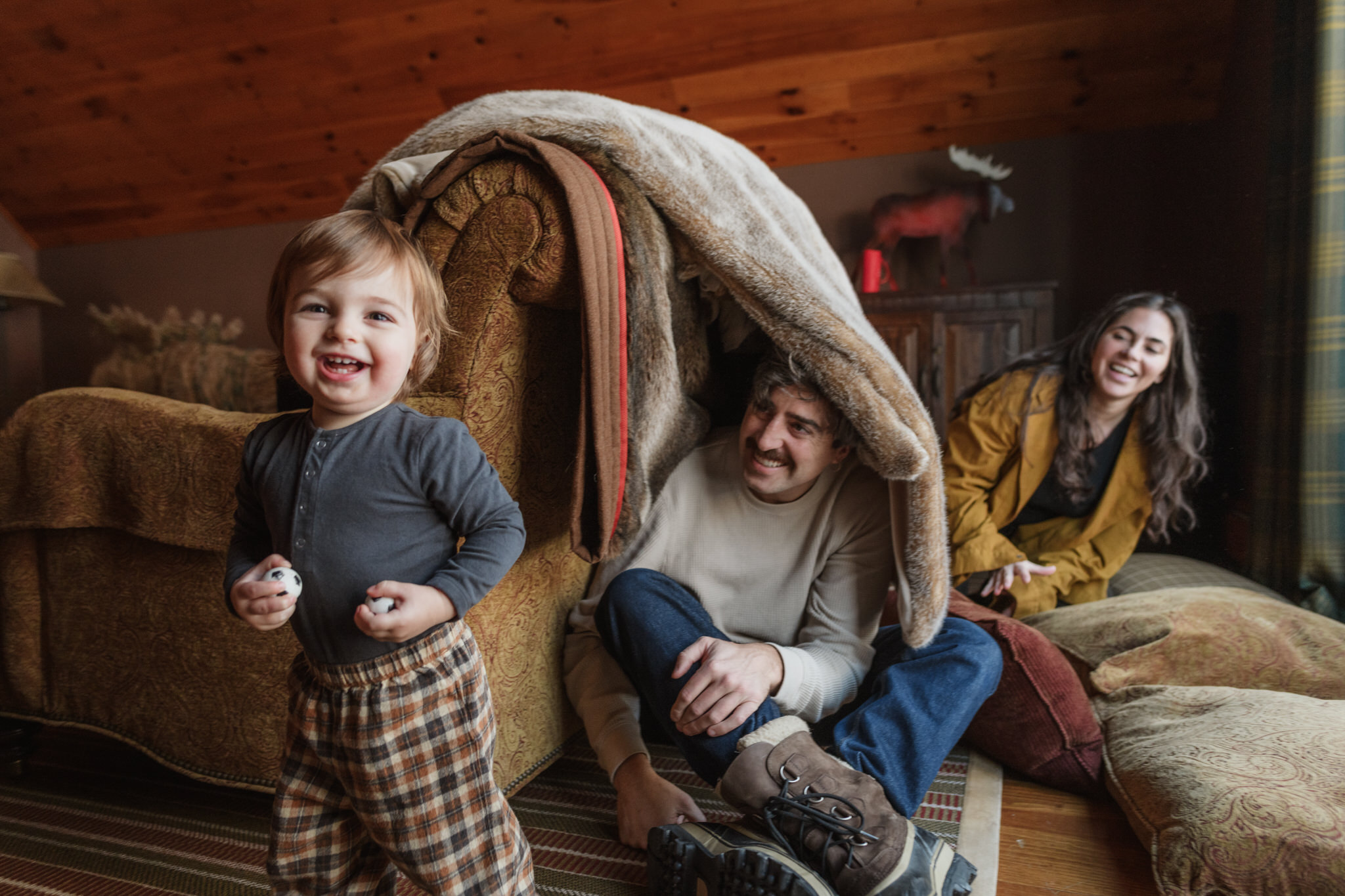
A home does not need to be large, finished, or visually neutral to hold meaningful photographs. The rooms, objects, routines, and constraints are part of the family record. Preparation should make movement possible without removing every sign of life.

01

Find light and activity rather than a perfect room.

Open curtains and notice where the family naturally gathers. A kitchen table, bed, hallway, front steps, or child’s room may photograph better than the largest space because something actually happens there.
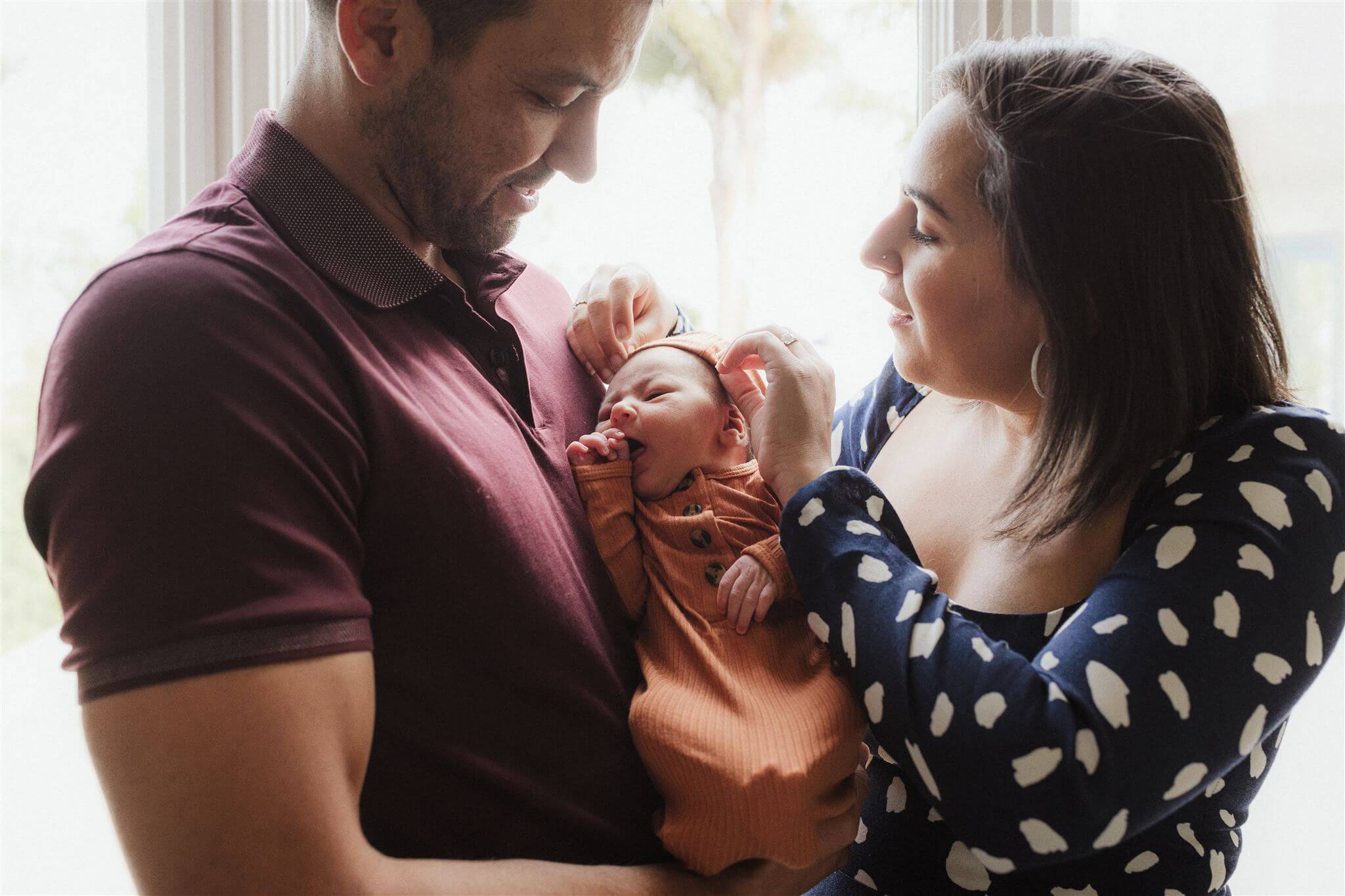
A newborn photographed naturally at home with family
01 · A newborn photographed naturally at home with family
A newborn held by family in the rooms where their first weeks unfolded
02 · A newborn held by family in the rooms where their first weeks unfolded
An older sibling meeting the newborn at home
03 · An older sibling meeting the newborn at home
A parent and young child sharing a quiet moment at home
04 · A parent and young child sharing a quiet moment at home
02

Clear hazards, not personality.

Move private paperwork, cords, overflowing bins, and anything unsafe. Books, toys, dishes, blankets, art, and evidence of the morning can stay when they belong to how the family lives.

03

Choose one ordinary ritual.

Making breakfast, reading, bathing a baby, gardening, or walking the dog gives everyone a reason to interact. The activity does not need to be novel; familiarity is what makes it useful.

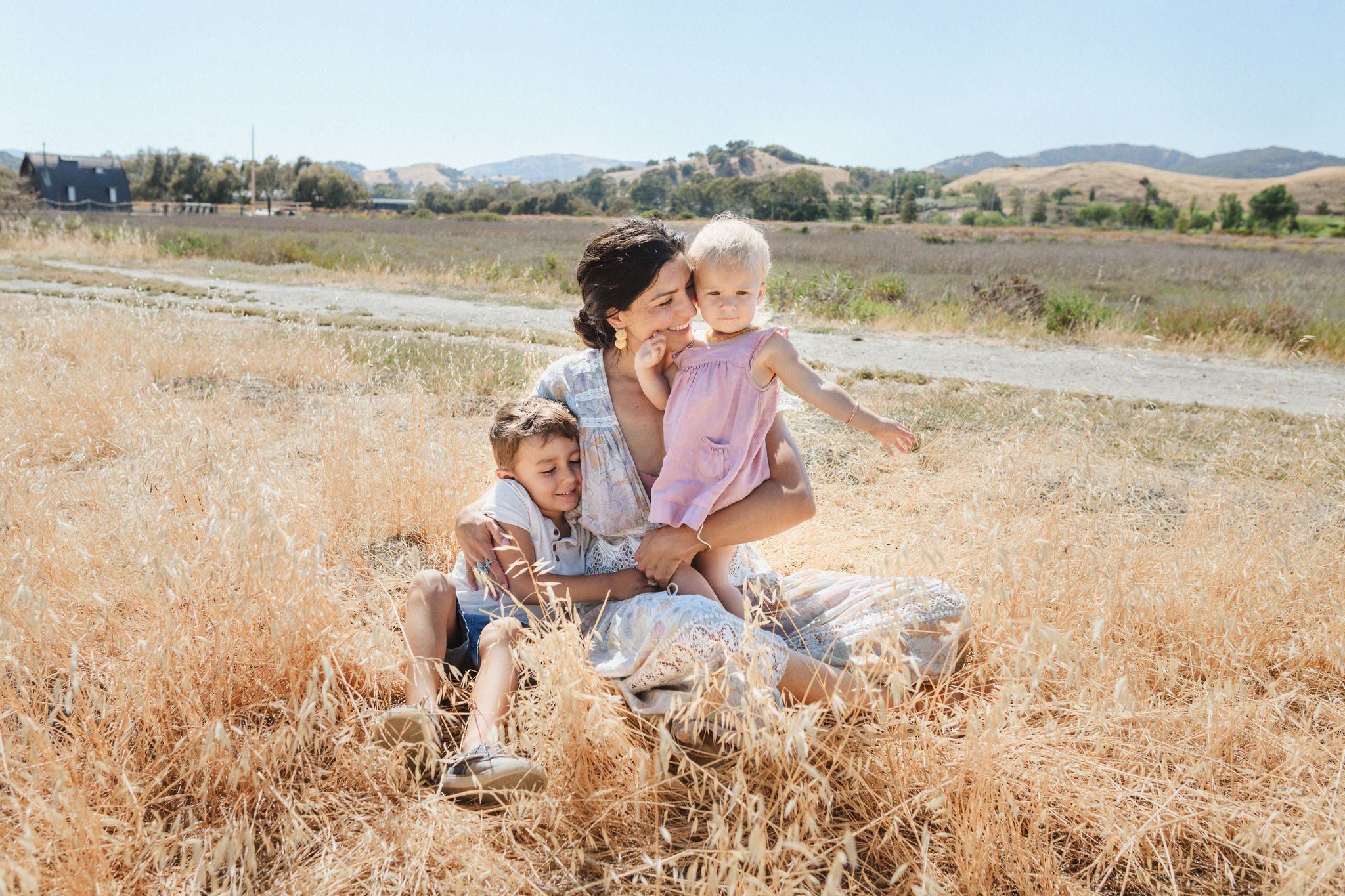
A Bay Area family together outdoors in natural light
09 · A Bay Area family together outdoors in natural light
A family sharing a quiet moment during a documentary session
10 · A family sharing a quiet moment during a documentary session
Children moving freely during a Bay Area family photography session
11 · Children moving freely during a Bay Area family photography session
A vertical portrait of a parent and child together
12 · A vertical portrait of a parent and child together
04

Use the outside edge of home too.

A porch, yard, sidewalk, stoop, or nearby block can change the light and pace without creating a second location. These transition spaces often show place more clearly than a formal room.

Let the house remain recognizable

Home is useful because the family already knows how to live there.

Begin with the rooms that hold real activity and usable window light, not the rooms that look most finished. A bed, kitchen, garden, front step, child’s floor, or ordinary couch gives hands and attention somewhere to go. Clear only the few distractions that pull attention away; objects, pets, toys, and unfinished corners can be part of the family record.

Plan one loose rhythm instead of a shot list: everyone together while energy is high, smaller relationships, a familiar activity, then quiet photographs as children lose interest. Snacks, breaks, feeding, and a change of clothes do not interrupt the session. They keep the experience from becoming a test the family has to pass.

  • Choose two rooms with light and something natural to do
  • Keep meaningful objects and remove only visual distractions
  • Photograph everyone together before attention runs low
  • Leave time for snacks, pets, play, and a change of pace

The short version

Keep these decisions visible.

  • Two or three lived-in areas with usable window light
  • Private and hazardous clutter removed without sterilizing the home
  • One repeatable family activity prepared without staging every step
  • One close outdoor option available if weather allows

Questions couples ask

Use the guide to make a decision, not another mood board.

What should we decide first about family photography?

Open curtains and notice where the family naturally gathers. A kitchen table, bed, hallway, front steps, or child’s room may photograph better than the largest space because something actually happens there.

What mistake creates the most pressure?

A porch, yard, sidewalk, stoop, or nearby block can change the light and pace without creating a second location. These transition spaces often show place more clearly than a formal room.

What is the short, practical version?

Keep these priorities visible: two or three lived-in areas with usable window light; private and hazardous clutter removed without sterilizing the home; one repeatable family activity prepared without staging every step; one close outdoor option available if weather allows.