Engagement sessions without awkward posing — see the work

san francisco family photo locations

San Francisco family photo locations: choose for the family, not the postcard

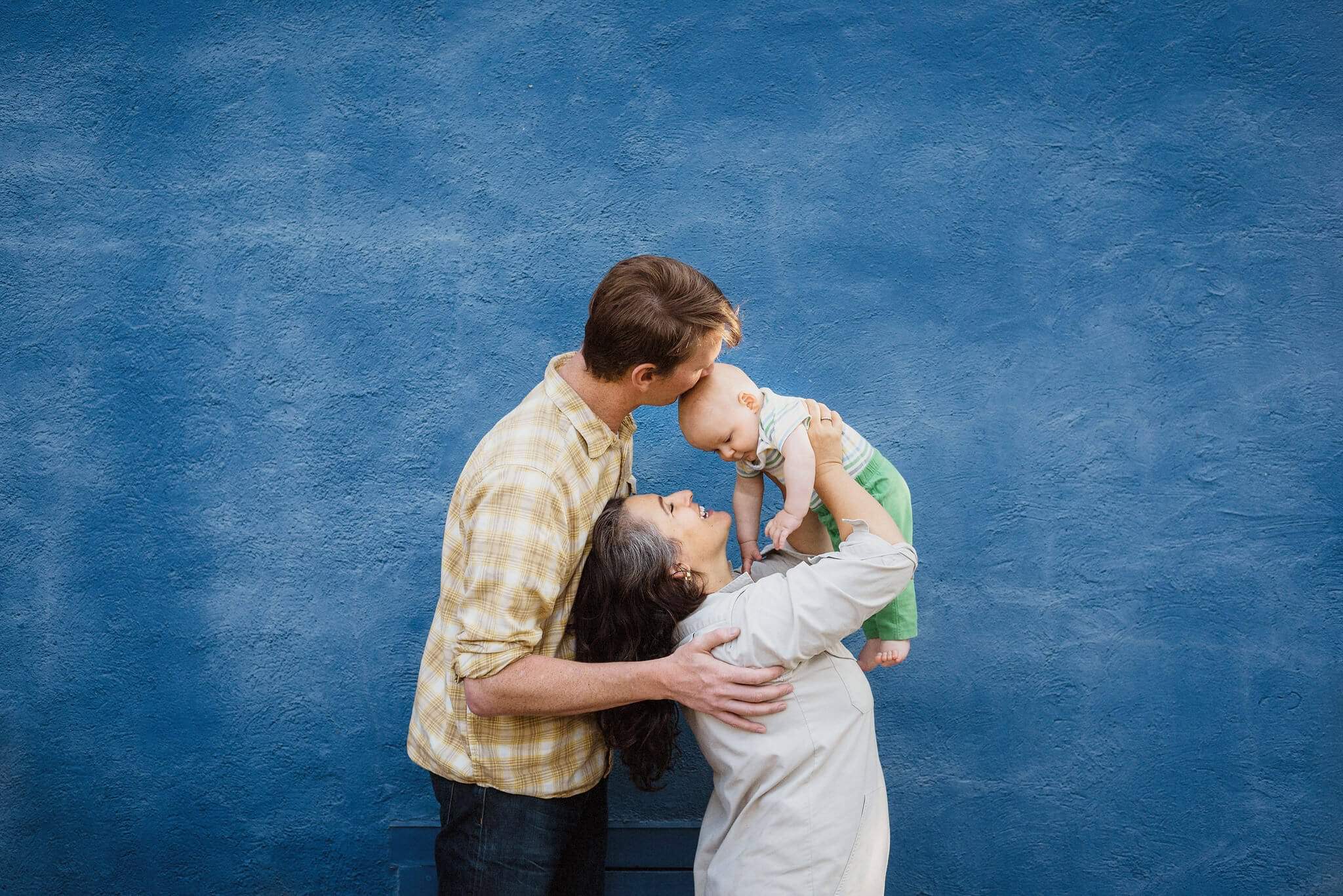
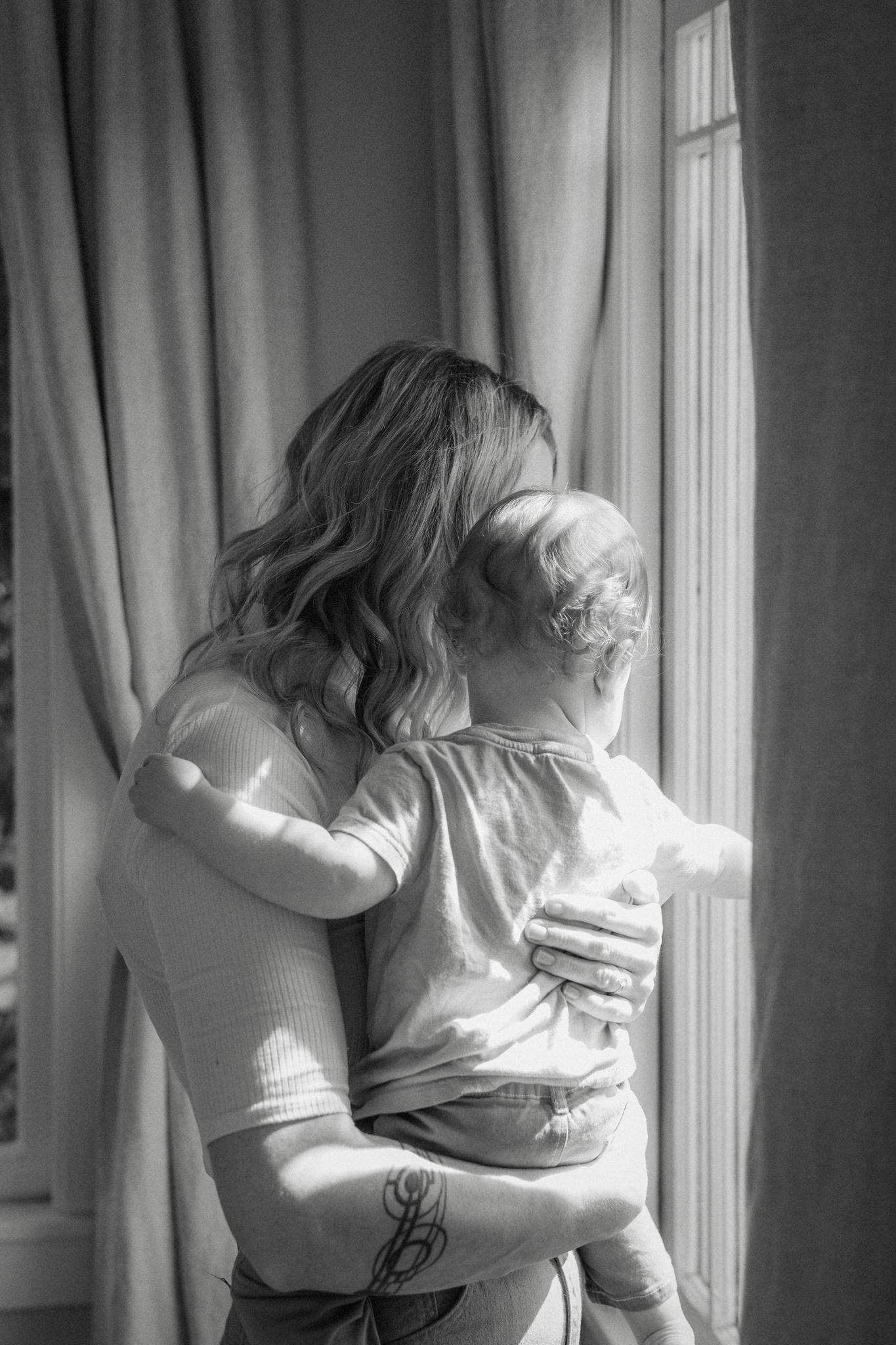
A family sharing a quiet moment during a documentary sessionA vertical documentary family portrait filled with movement

San Francisco offers coast, forest, architecture, neighborhoods, gardens, and home within a small area, but those locations are not interchangeable. Age, mobility, wind tolerance, parking, and the time a child functions best should narrow the list before visual preference.

01

Start with access and attention span.

A long walk from parking can use the best part of a toddler’s energy or make an elder uncomfortable before photographs begin. Choose a location whose useful area starts close to the meeting point.
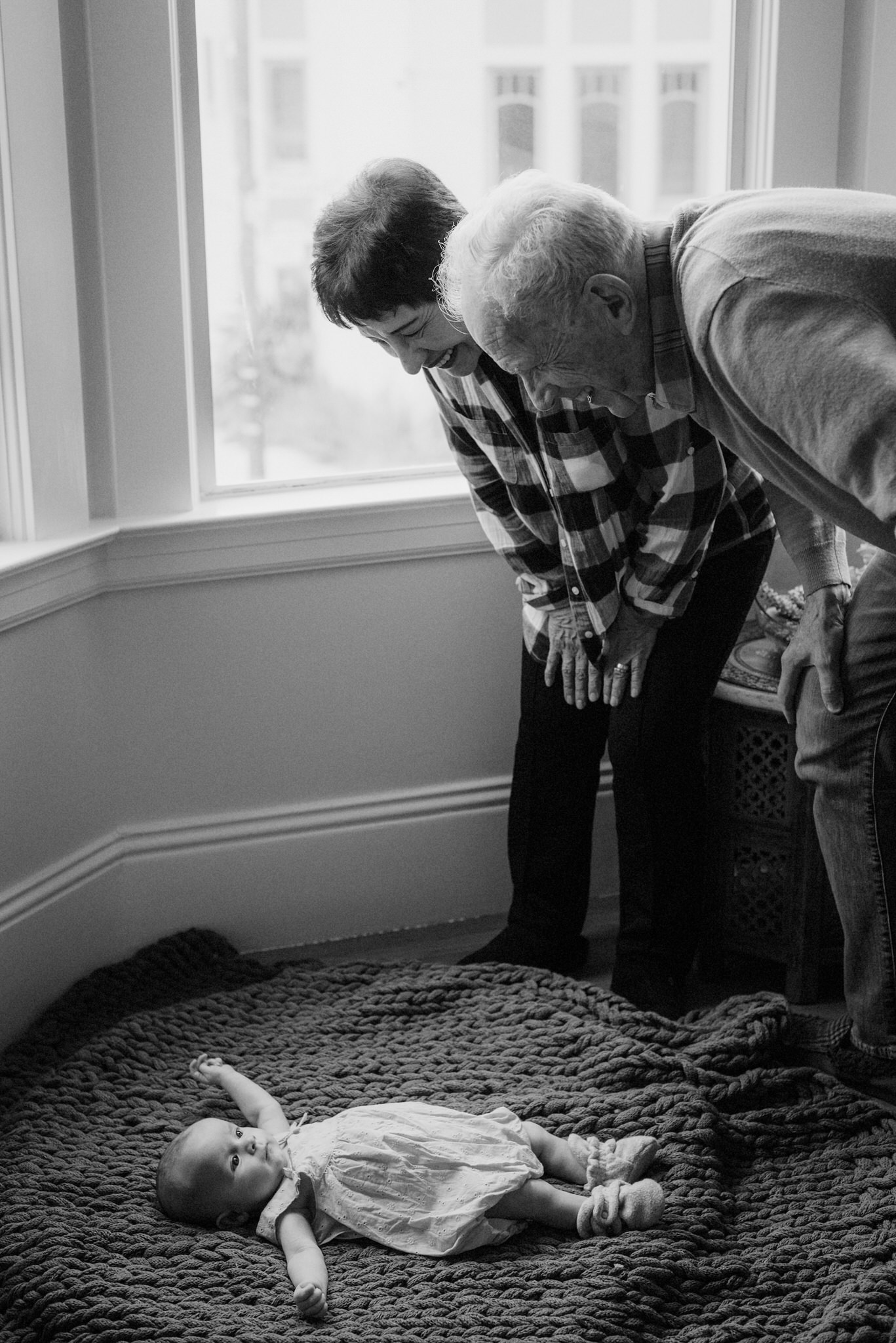

An unposed vertical family photograph in the Bay Area
01 · An unposed vertical family photograph in the Bay Area
A candid maternity photograph with the family already present
02 · A candid maternity photograph with the family already present
02

Choose the city experience you want.

A neighborhood session feels inhabited; the Presidio can feel spacious and green; the coast emphasizes weather; home holds personal history. Decide what kind of family story matters before selecting a famous landmark.

03

Treat weather as part of location.

A beautiful beach can be cold, bright, foggy, or windy. A park can be crowded or muddy. Choose clothes and a backup that make the ordinary version of the location workable.

04

Keep the route compact.

Children and groups settle when they can explore without repeatedly loading cars. A short loop with two kinds of light usually creates more depth than several disconnected San Francisco stops.

Choose the part of the city the family can actually use

San Francisco variety works best inside one compact route.

A neighborhood walk, Golden Gate Park, the Presidio, a beach, a familiar playground, or home can each support a full session. Choose the experience first: running space, quiet streets, architecture, trees, sand, or the family’s daily world. One place with two kinds of light is more useful than moving children through traffic to collect several recognizable backgrounds.

Fog, wind, crowds, parking, events, and cold evenings are normal city conditions. Pick a location the family still likes when it is not empty or sunny, and keep a sheltered alternative nearby. For babies and toddlers, the best light on a distant beach may be less valuable than a warm hour that fits sleep and meals.

  • Choose one walkable place with room for children to move
  • Check parking, bathrooms, wind, events, and ordinary crowds
  • Plan around sleep and meals before planning around sunset
  • Use home or the neighborhood when personal context matters most

The short version

Keep these decisions visible.

  • Parking, walking, restrooms, and terrain matched to the family
  • One clear setting idea: home, neighborhood, park, forest, or coast
  • A weather plan built around the specific neighborhood
  • One walkable route with no mid-session drive

Questions couples ask

Use the guide to make a decision, not another mood board.

What should we decide first about family photography?

A long walk from parking can use the best part of a toddler’s energy or make an elder uncomfortable before photographs begin. Choose a location whose useful area starts close to the meeting point.

What mistake creates the most pressure?

Children and groups settle when they can explore without repeatedly loading cars. A short loop with two kinds of light usually creates more depth than several disconnected San Francisco stops.

What is the short, practical version?

Keep these priorities visible: parking, walking, restrooms, and terrain matched to the family; one clear setting idea: home, neighborhood, park, forest, or coast; a weather plan built around the specific neighborhood; one walkable route with no mid-session drive.