01Start with the youngest person, not the prettiest location.
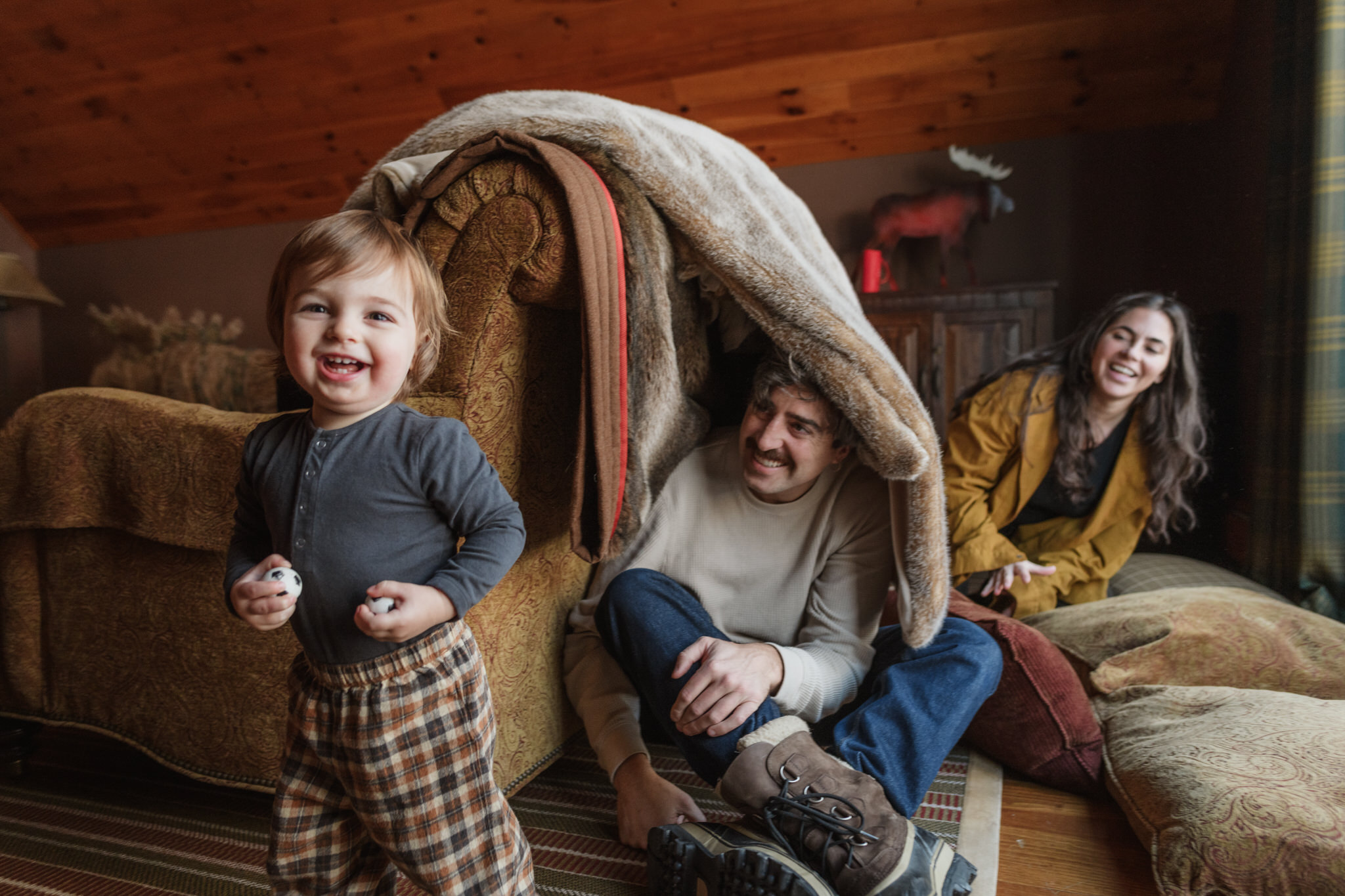
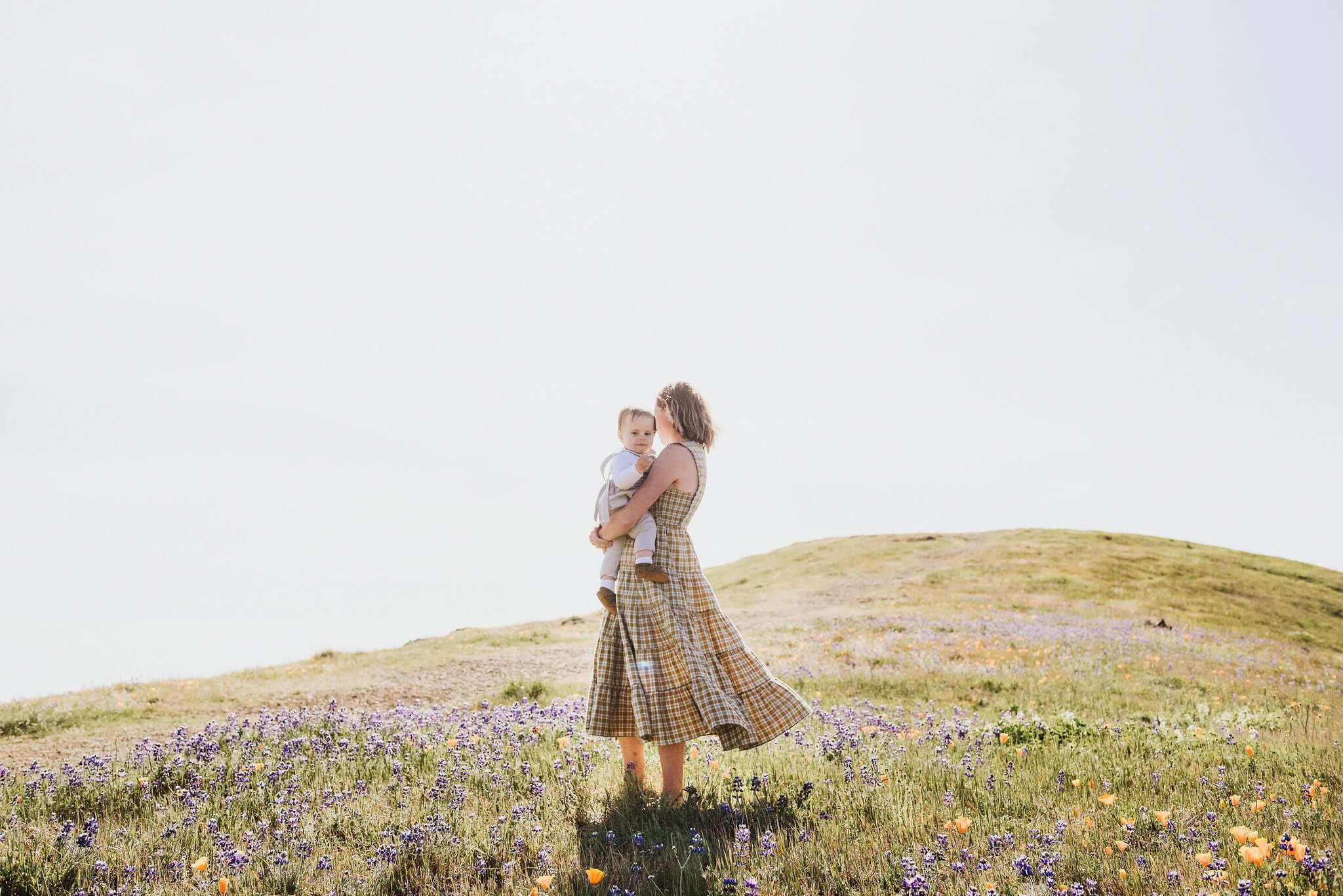
A dramatic view is not useful if a child arrives cold, hungry, overtired, or finished after a long walk. We begin with the family’s real limits, then choose a home, neighborhood, field, redwood grove, coast, or city setting that can still look beautiful without asking too much of anyone.
02Make the organized photographs early and clearly.
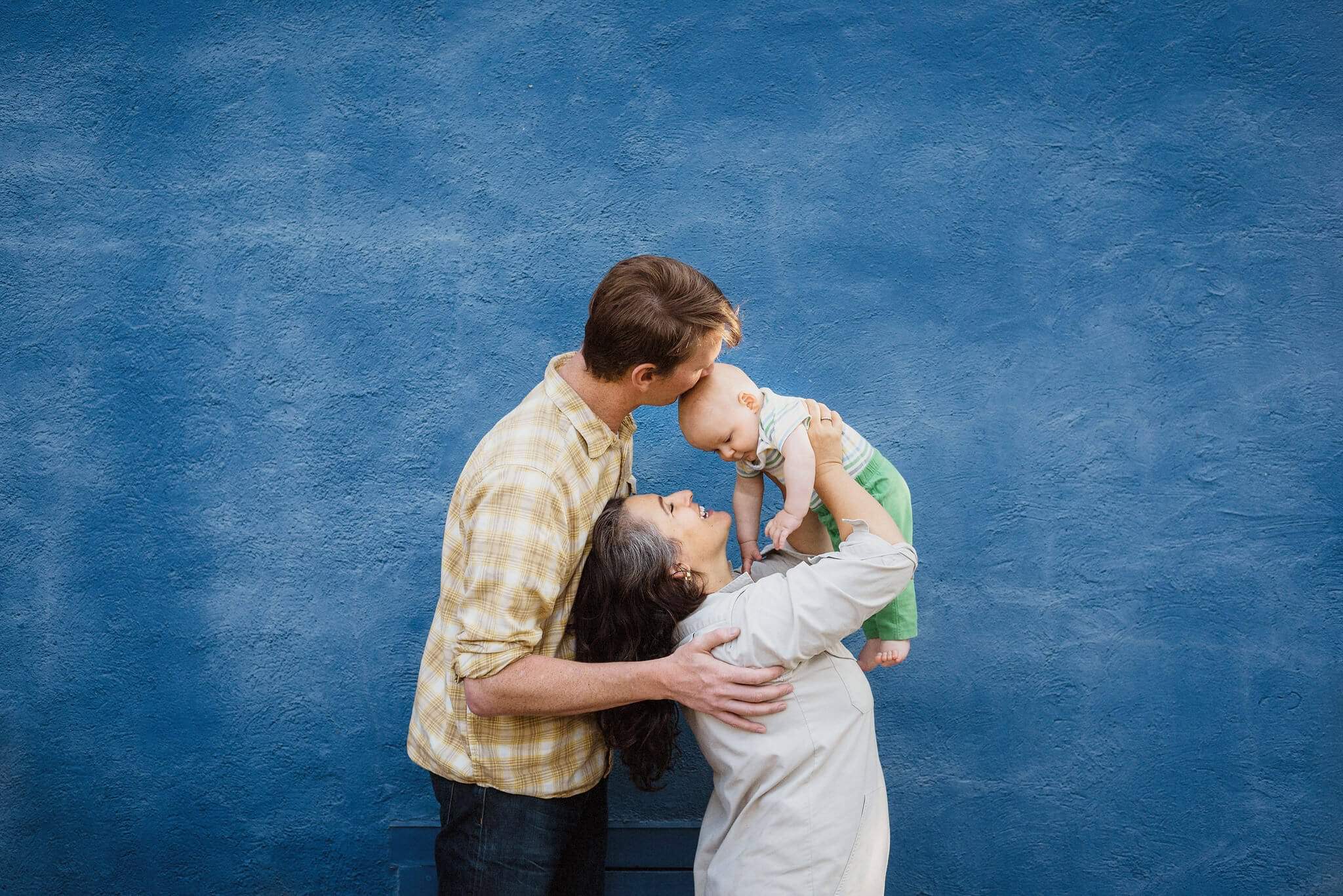
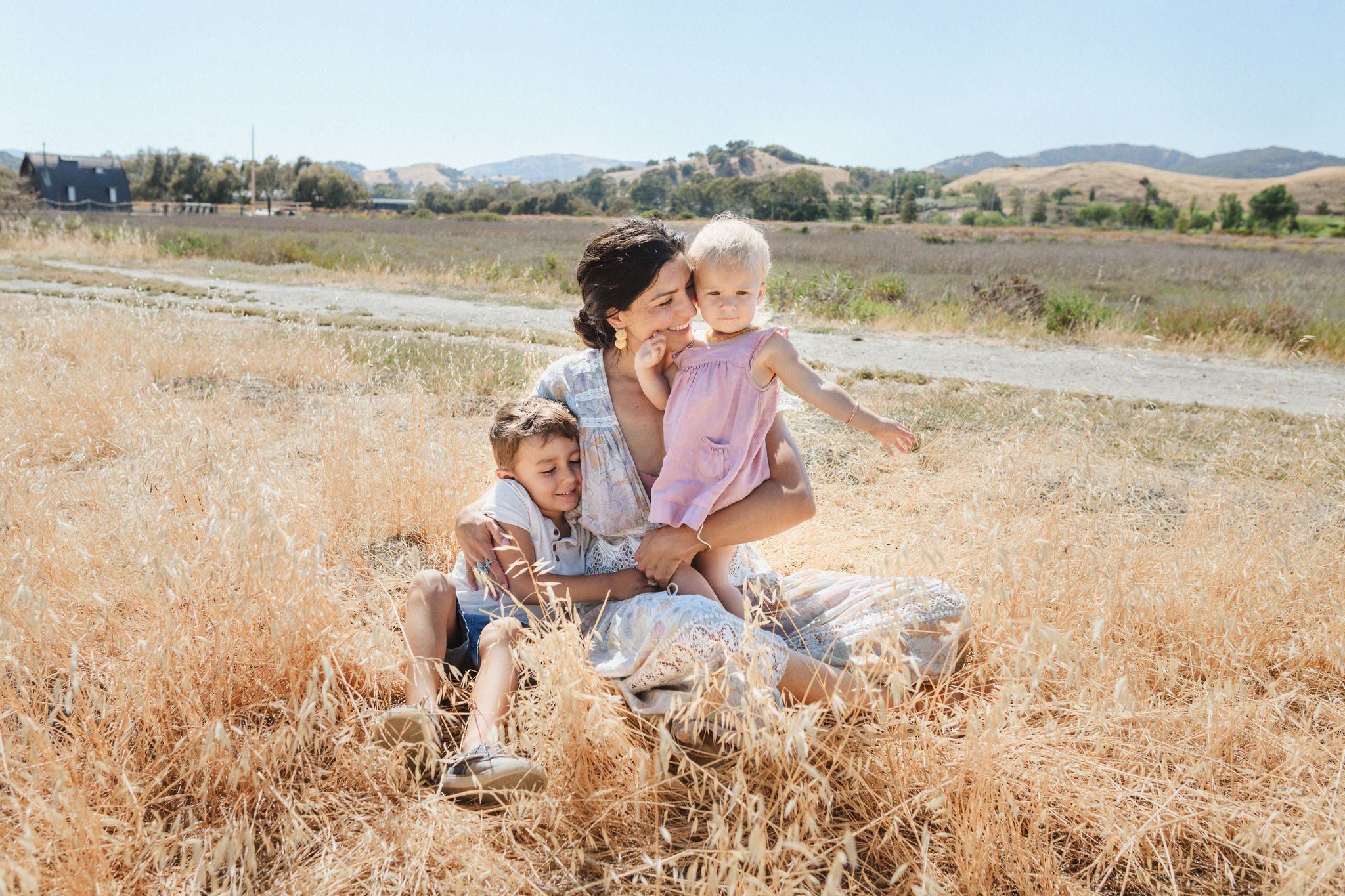
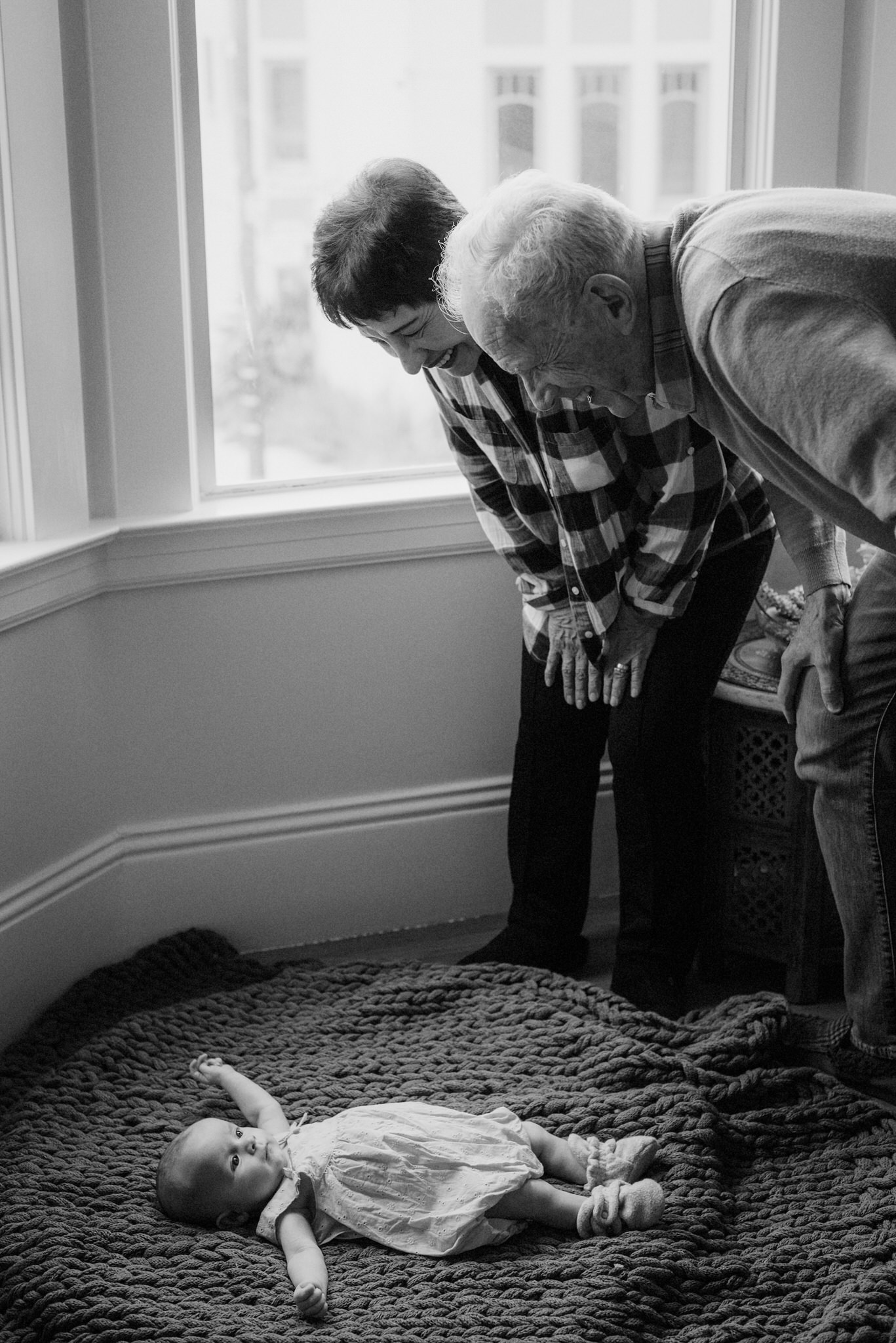
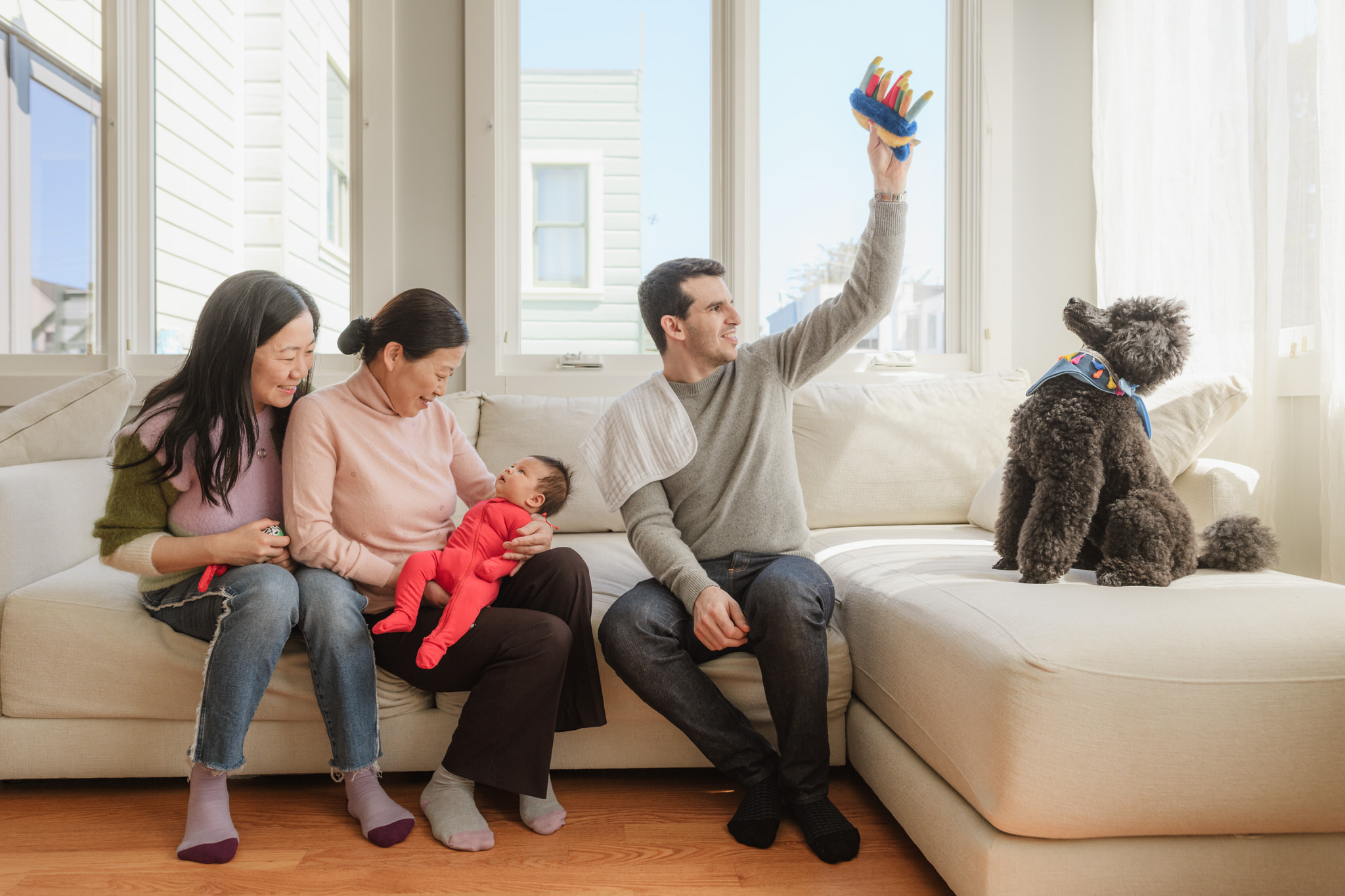
A useful family session includes the combinations that matter: everyone together, parents with children, siblings, grandparents, and a few clear portraits. We make those efficiently while attention is available, rather than pretending documentary photography means leaving important group photographs to chance.
03Let movement replace constant posing.
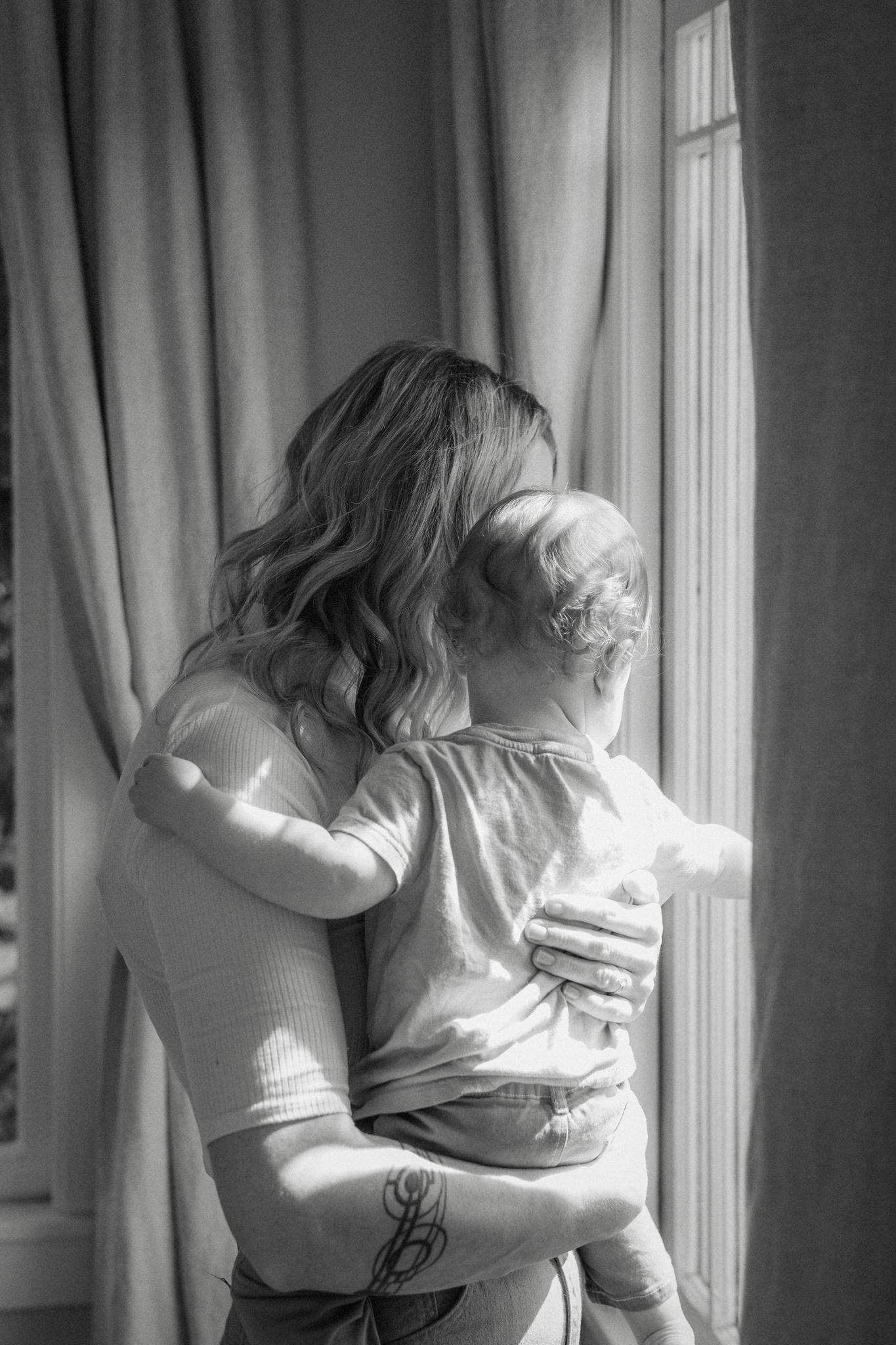
Walking, playing, eating, reading, exploring, carrying a tired child, or settling together on the couch gives relationships somewhere to appear. Direction helps with light and composition; the family’s own attention keeps the photographs recognizable.
04Build a gallery with range, not one repeated look.
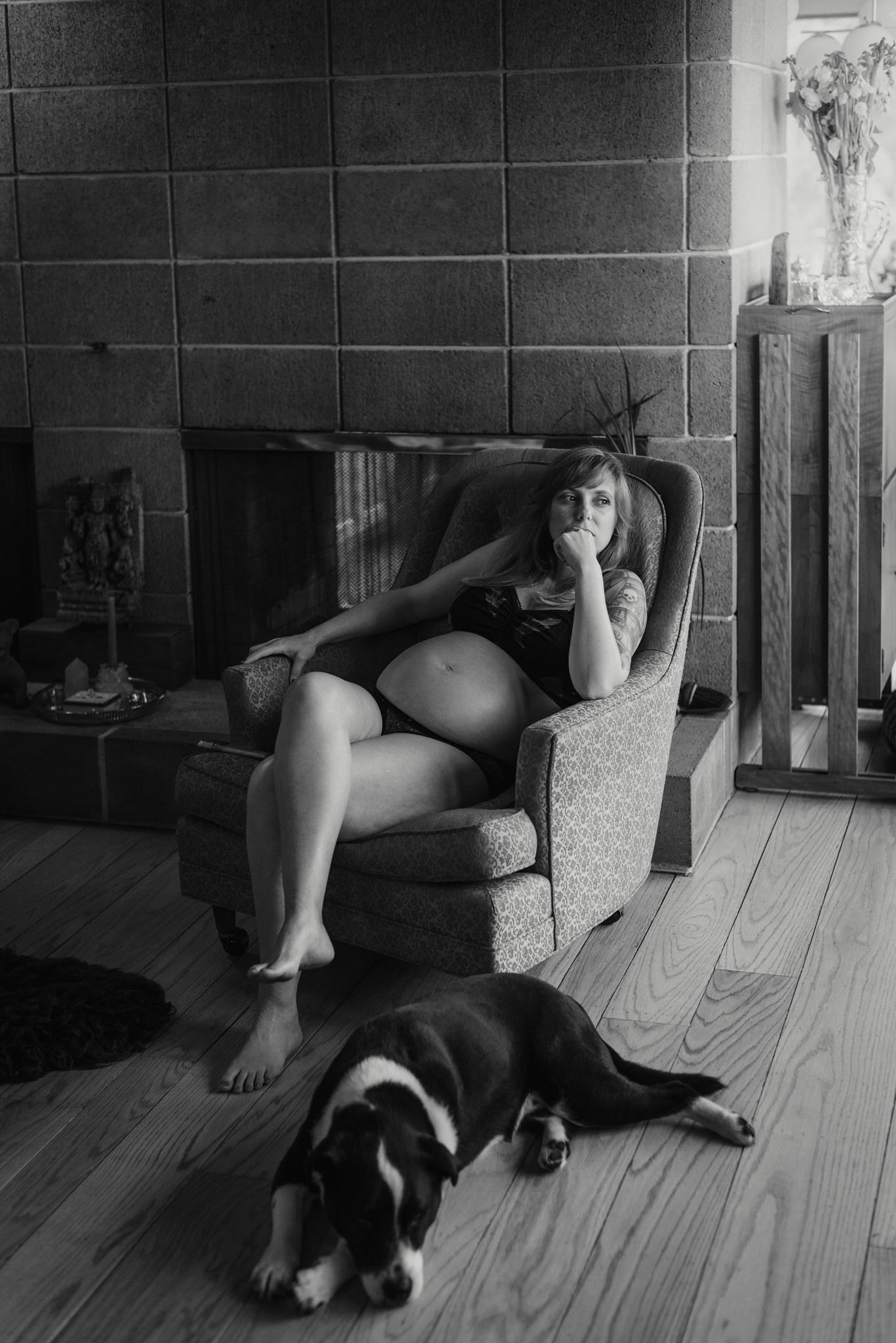
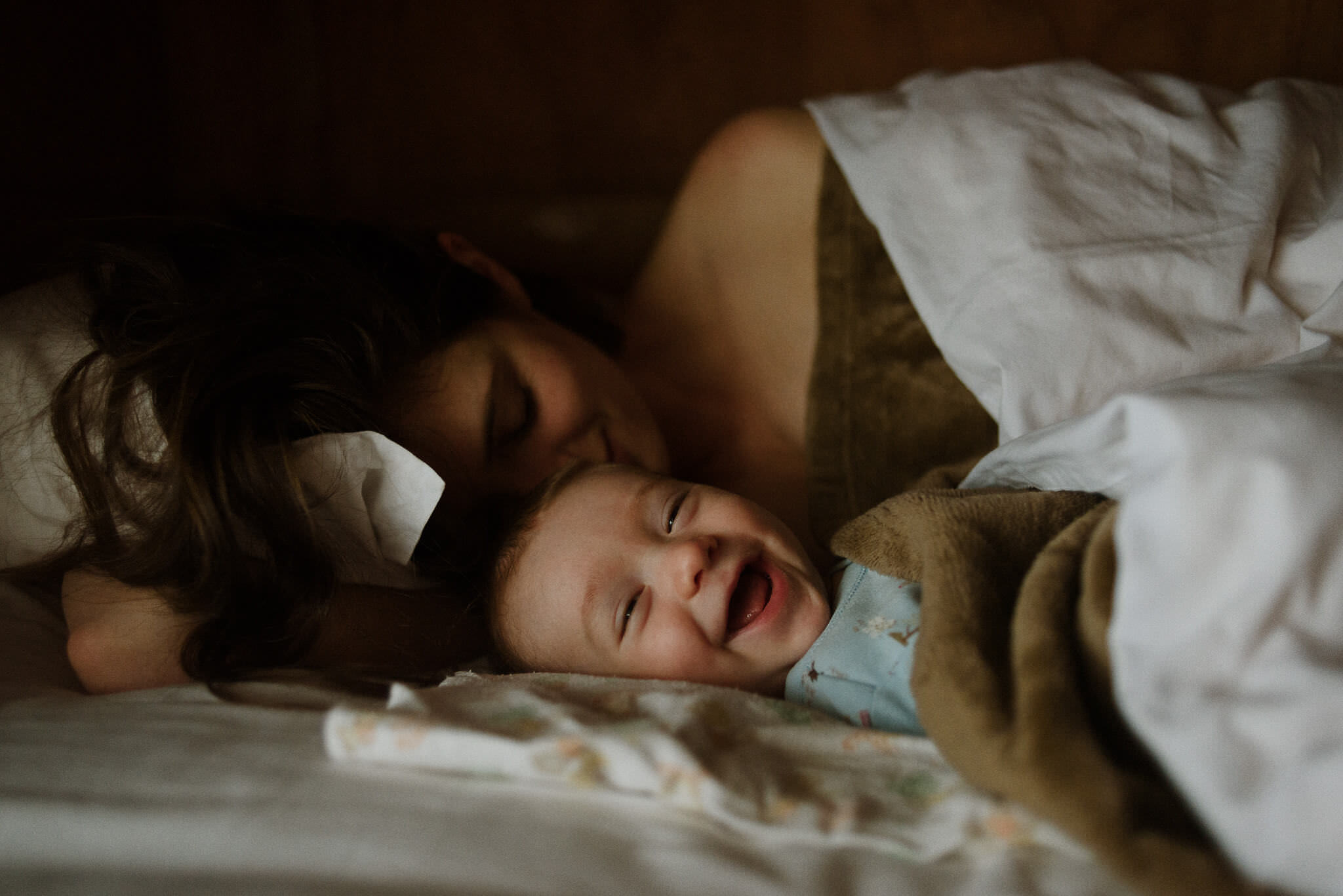
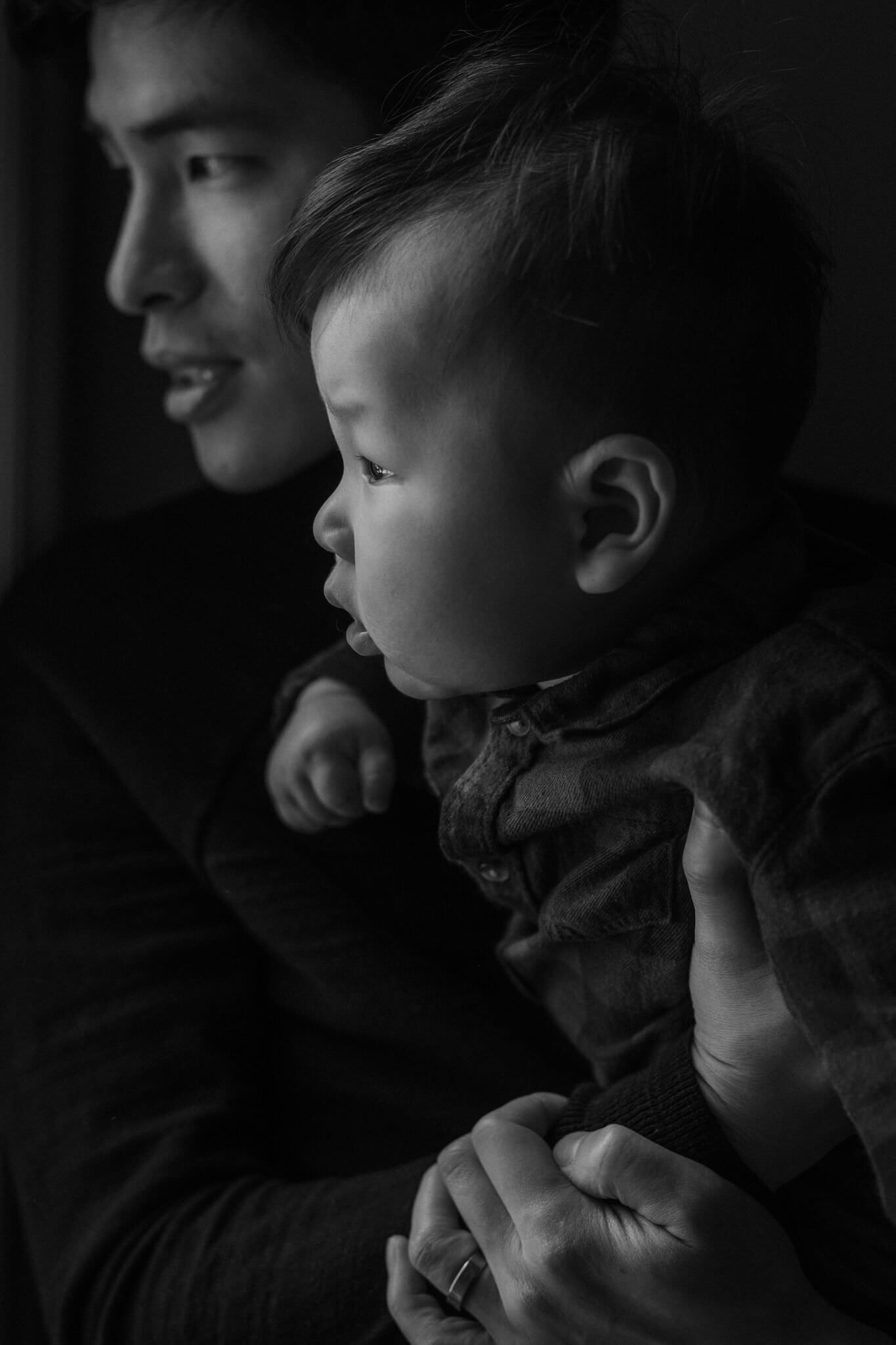
The finished collection can hold wide context, close expressions, humor, motion, quiet portraits, and the details that describe this particular season. That range makes room for an album, a wall photograph, gifts for family, and frames whose meaning changes as children grow.