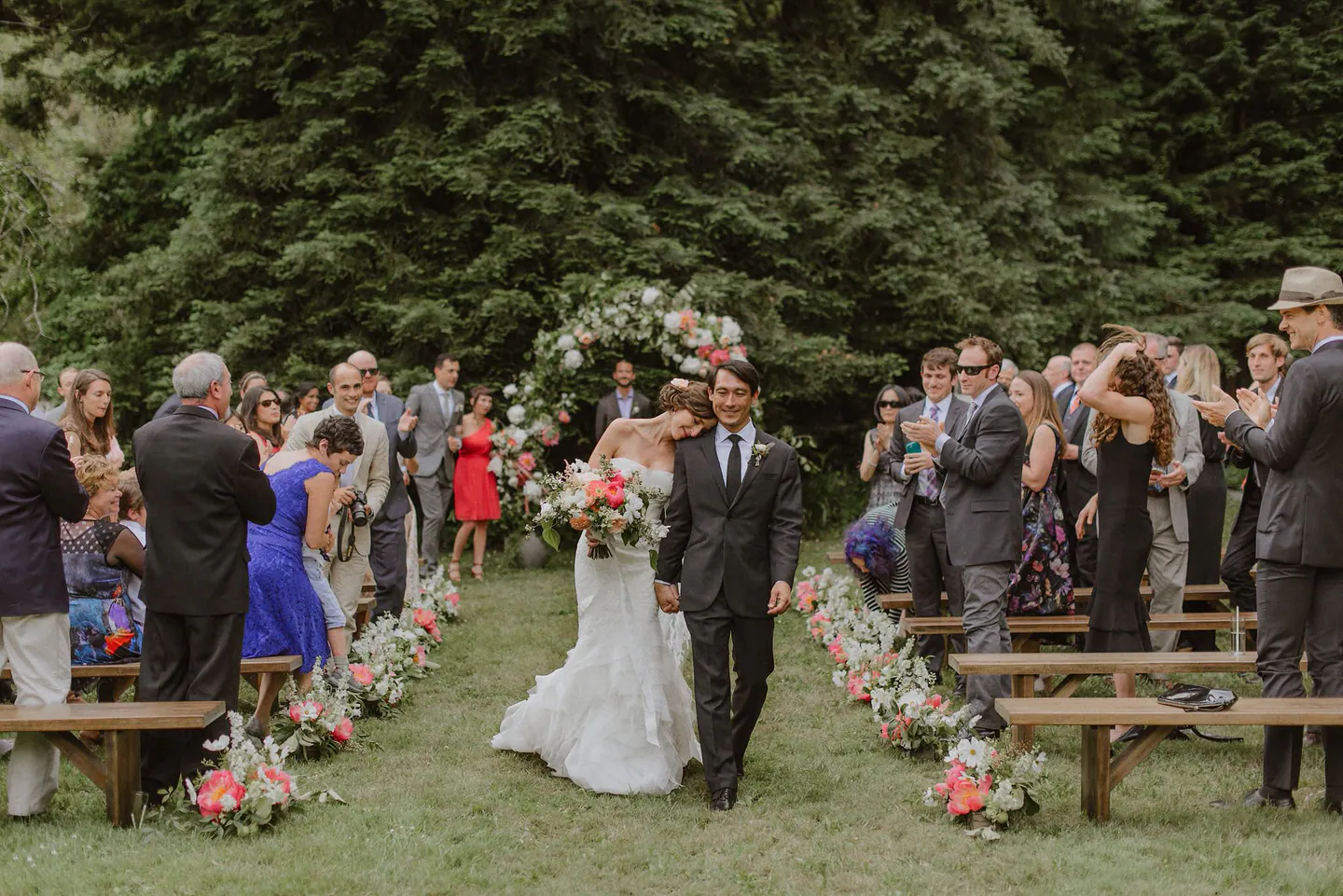

Review complete low-light sequences.
One dramatic dance-floor frame cannot show how a photographer handles dinner, speeches, family reactions, fast movement, and mixed color. Ask for full galleries where the reception remains strong after daylight ends.

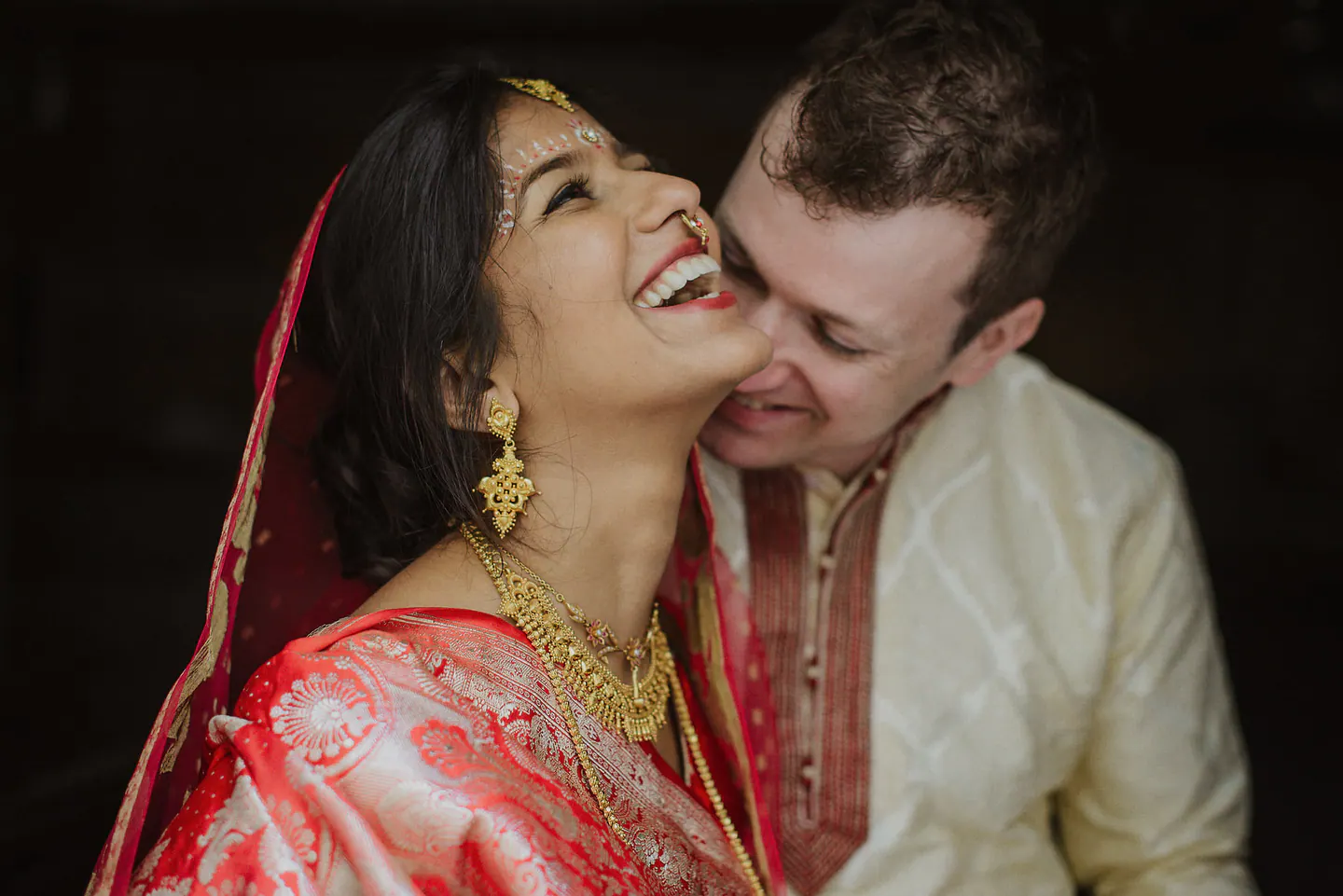


Keep useful ambient light in the room.
Candles, pin spots, warm lamps, and intentional architectural light help guests and photographs. A very dark room with only colored DJ lights may require stronger flash and look different from the design rendering.
Allow different techniques for different events.
Speeches may need clear directional light; dancing can support motion, off-camera flash, or harder contrast; dinner may benefit from quieter available light. Consistency should come from judgment, not forcing every hour into one visual trick.


Protect sightlines and safety.
Light stands, cables, and remote flashes need stable placement away from guest paths and service routes. The photographic plan should coordinate with the venue rather than turning the room into a studio obstacle course.


