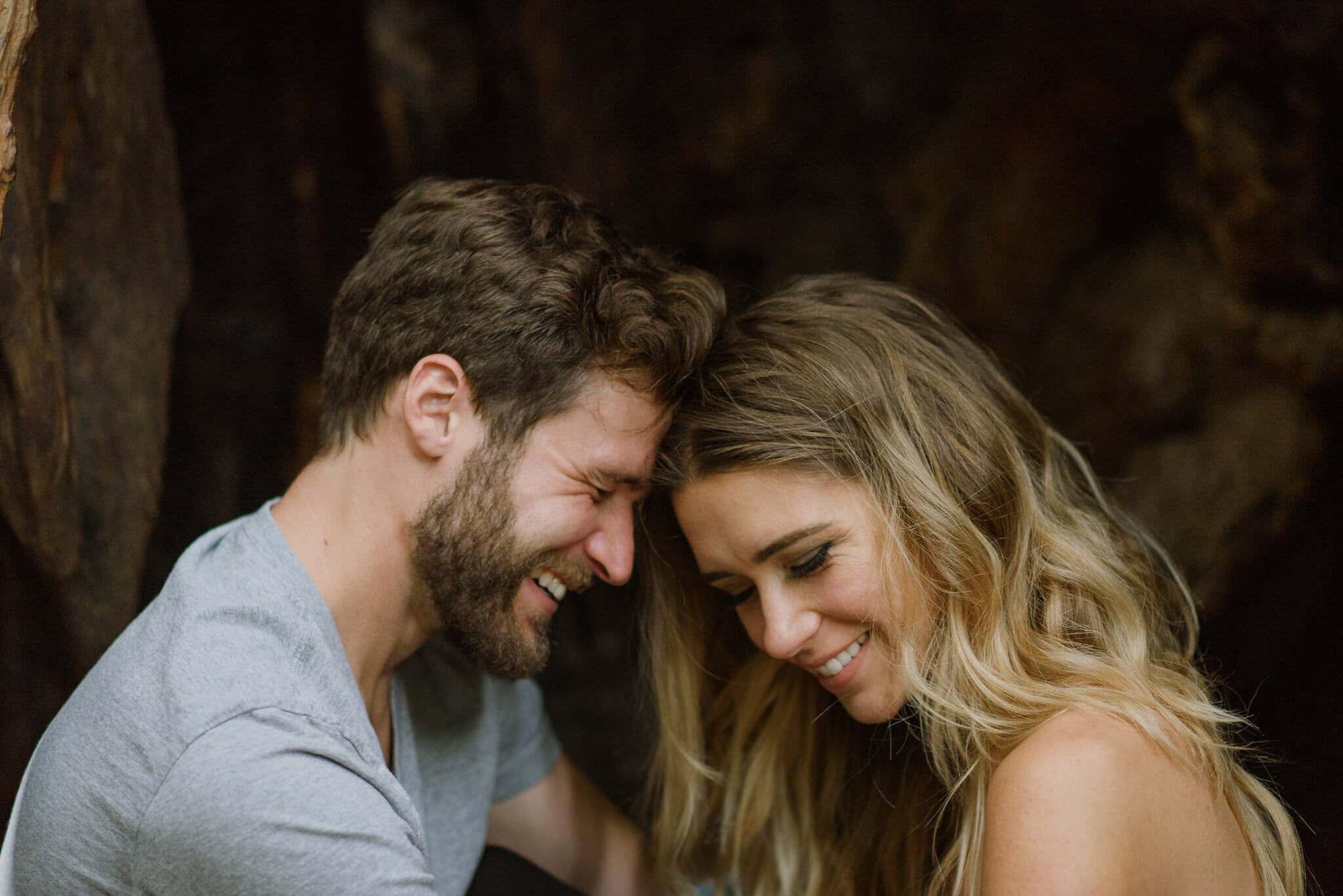
Skin should look beautiful and believable.
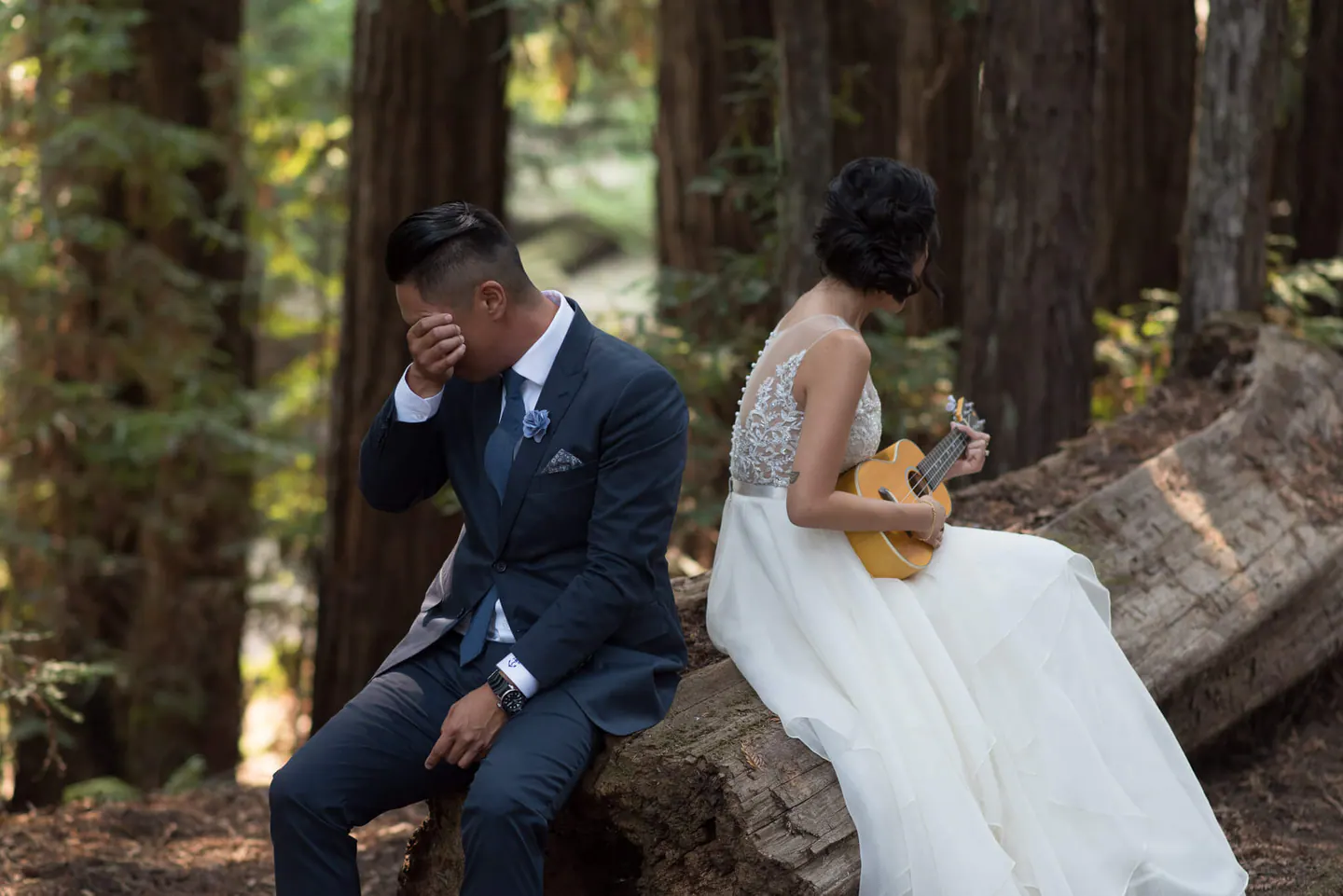
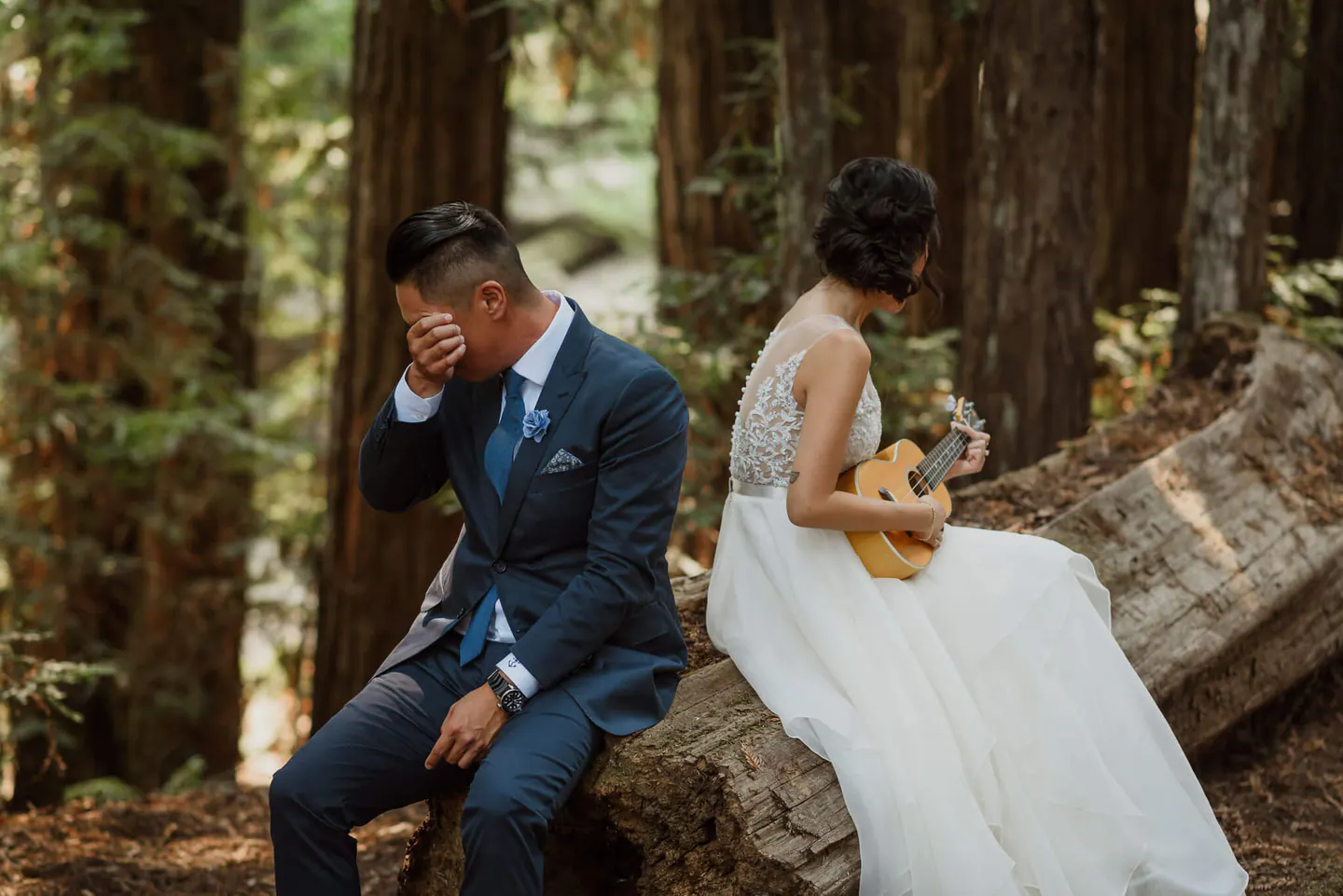
A wedding moves through daylight, window light, shade, tungsten rooms, flash, and dance-floor color. We correct every delivered photograph with attention to the people inside it, keeping skin luminous and dimensional without pushing it orange, gray, or away from the atmosphere around it.


The edit should remember the actual light.
Fog should not pretend to be sunset, candlelight should not become white office light, and a colorful room should not be stripped of its character. We refine difficult color and contrast while preserving the mood that made the scene feel the way it did.
Creative photographs still need a durable finish.
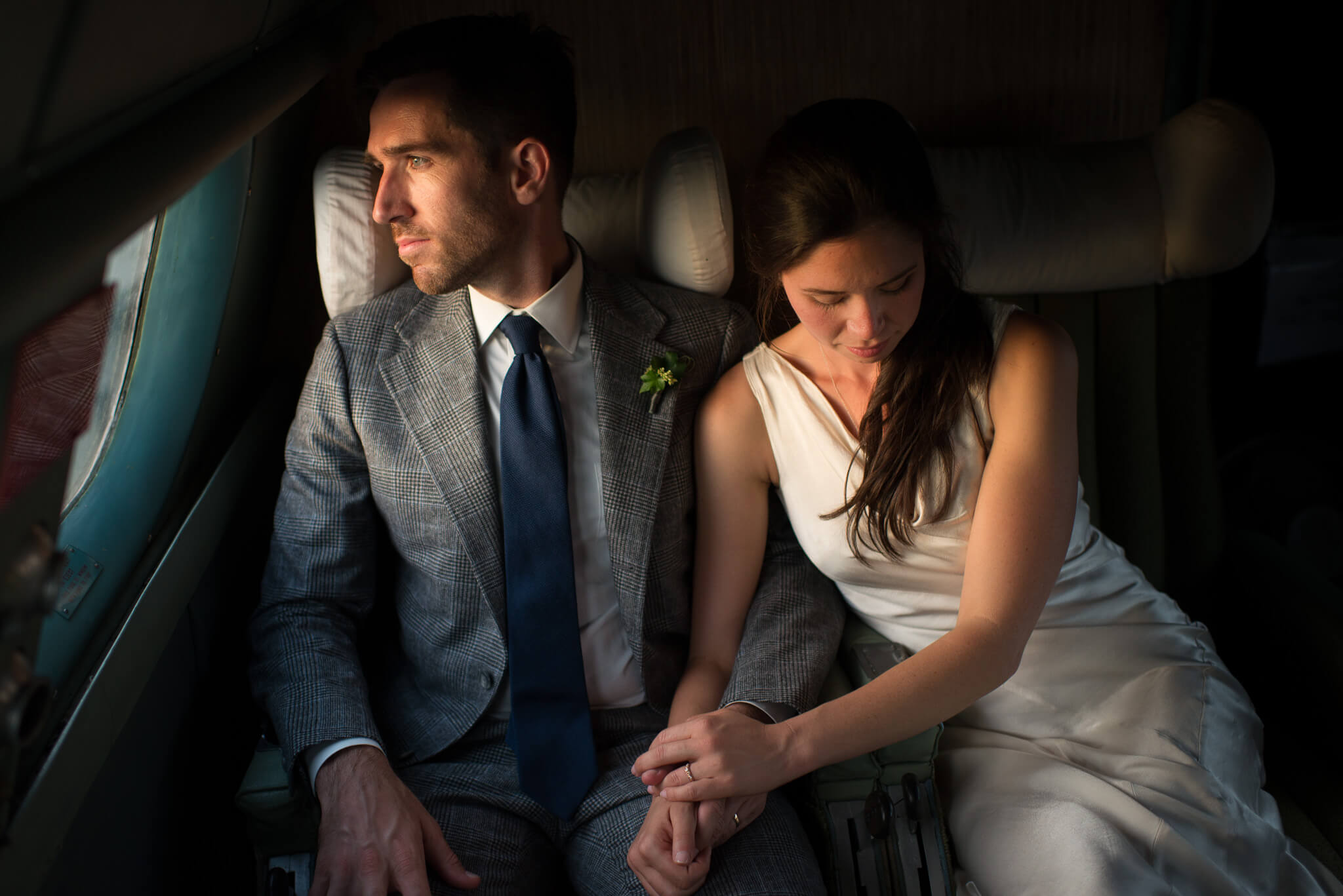
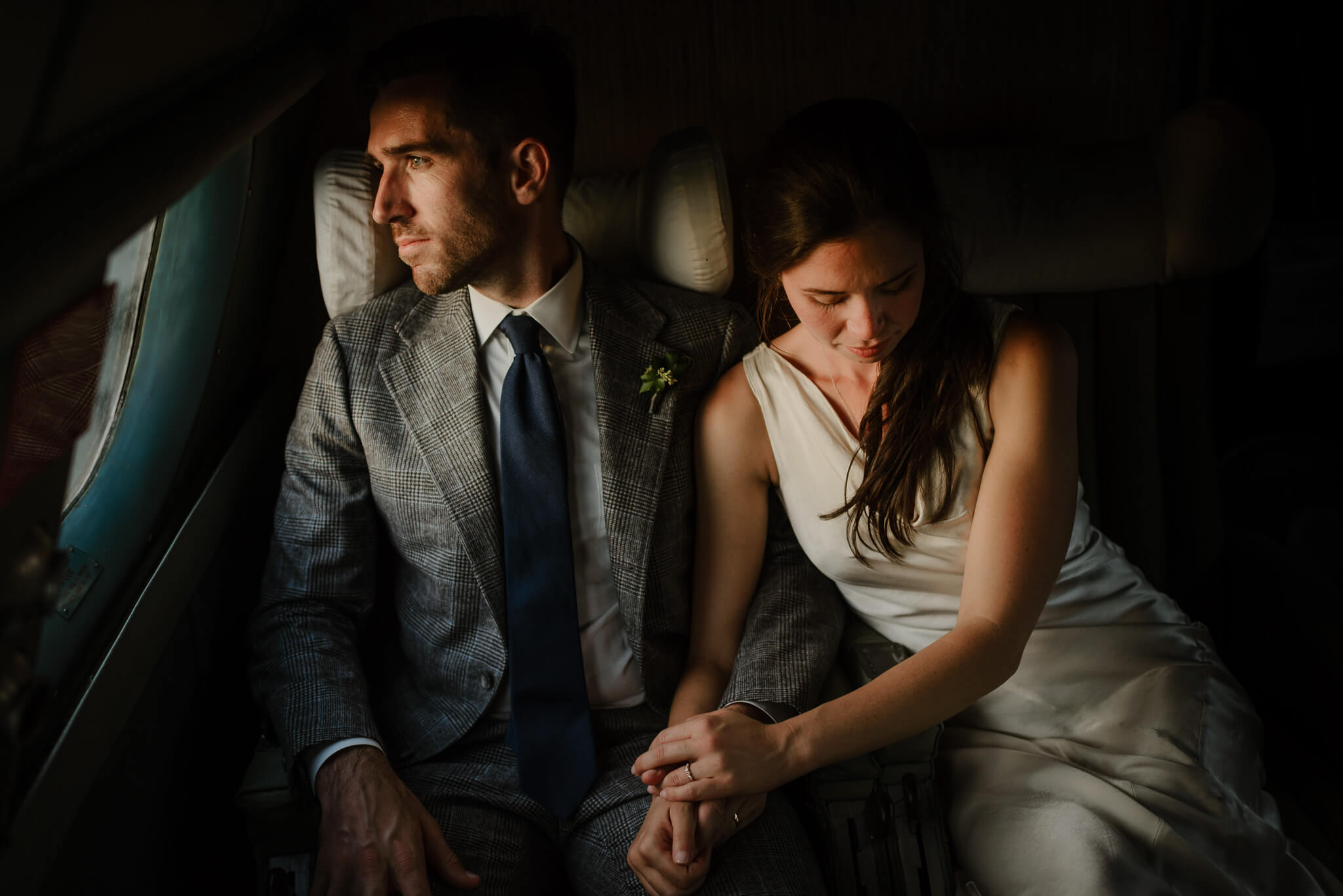
Movement, grain, direct flash, reflections, deep shadow, and unusual color can all belong in a complete story. The final file still needs deliberate tone, readable structure, and enough resolution and tonal information to live as a print or album page rather than only as a quick screen effect.


Consistency should not turn into a filter.
Morning, fog, ceremony shade, candles, and direct flash should belong to one gallery without looking identical. A coherent visual language comes from thousands of small decisions, not forcing every green, skin tone, and hour of the day into one fashionable palette.
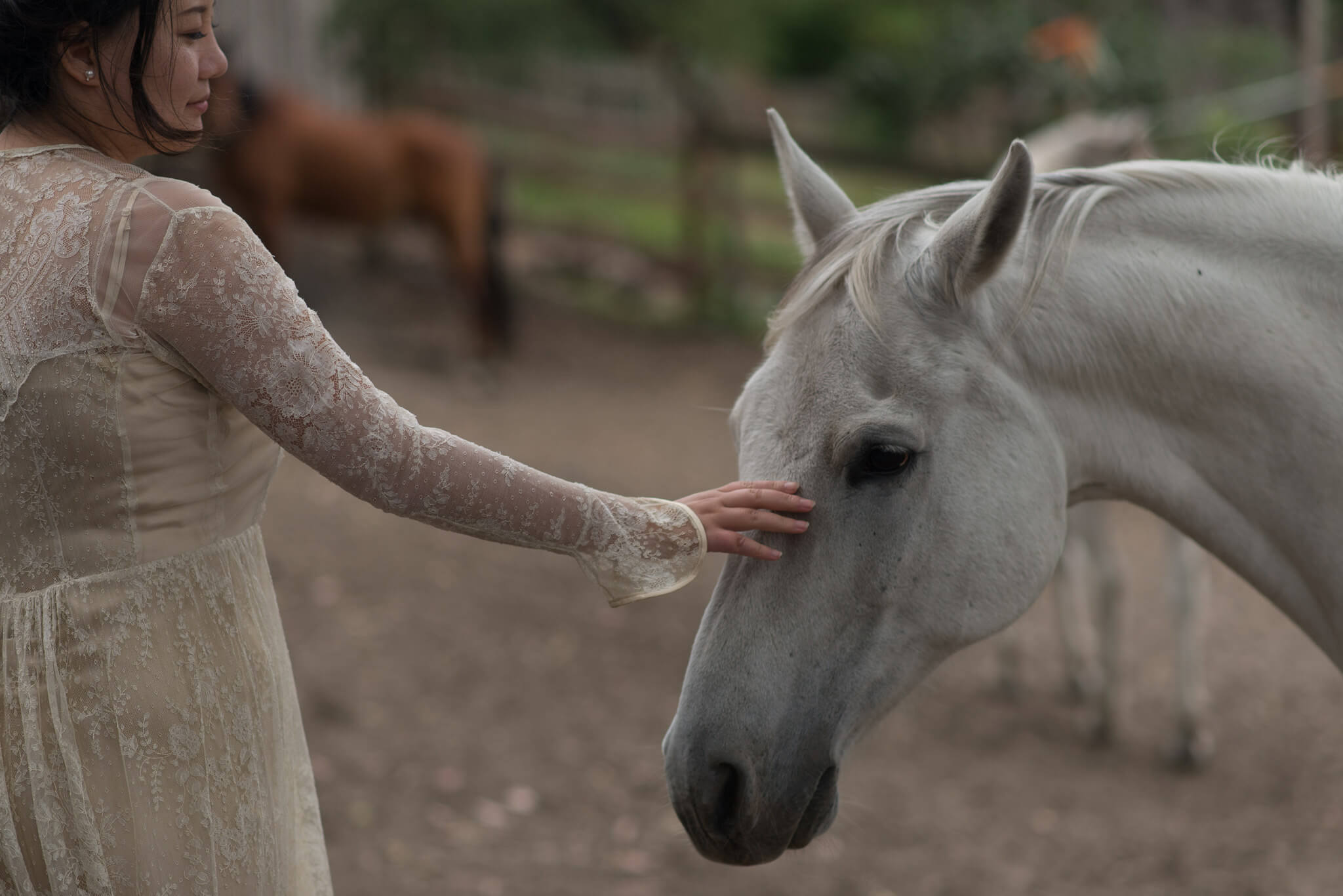
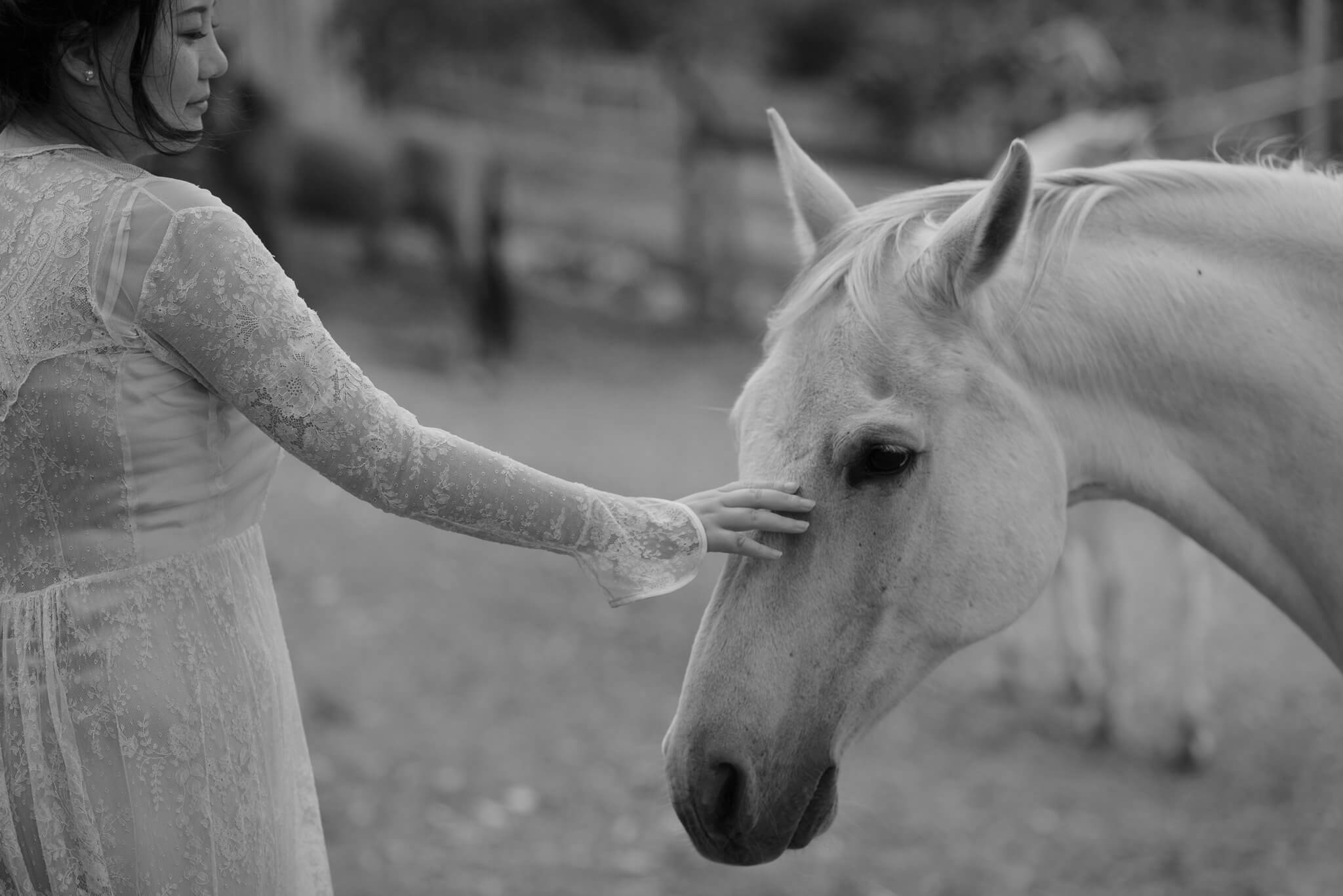
Black and white should do a real job.
A black-and-white version can clarify gesture, simplify competing color, connect film and digital, or give a moment a different emotional weight. We use it as an interpretive choice, not a place to hide every difficult exposure or make a duplicate of every color frame.


A preset is a foundation, not the finished work.
A strong starting point can establish color and contrast, but exposure, white balance, skin, mixed light, local adjustments, black and white, and sequencing still require judgment. The finish is personal work applied across the entire story, not a one-click effect.