

Start before everything is finished.
Coverage becomes useful while people are still arriving, helping, dressing, eating, worrying, and settling. Starting only after hair, makeup, and clothing are complete removes the interactions that give the opening emotional context.

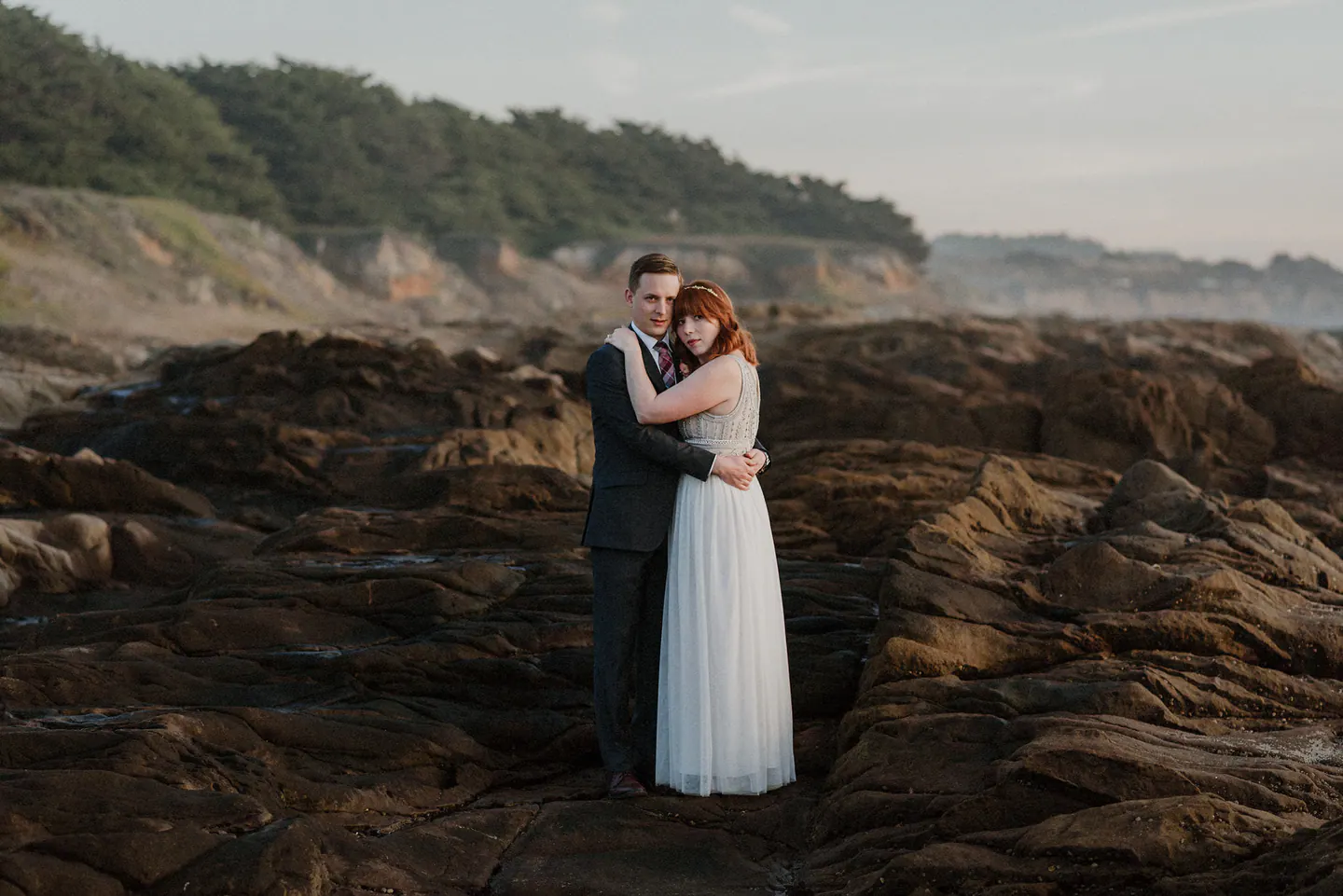


Choose rooms for people, not only light.
Window light helps, but enough space, working air conditioning, cleared walking paths, and proximity to the ceremony often matter more. A beautiful distant suite can create stress and separate people who wanted to be together.
Decide whether parallel coverage adds a story.
Two groups preparing separately may both hold important relationships, or one may prefer privacy and a quiet arrival. Coverage should follow meaning rather than an automatic expectation that every shirt button and final touch needs documentation.


Leave enough time for departure to remain calm.
Elevators, bags, transportation, flowers, and missing people can consume the final minutes. Finish formal preparation with a buffer so departure, a parent’s reaction, or a quiet pause can happen without becoming another delay.


