

Find usable sunset, then plan backward.
Look up the published sunset, then adjust for the actual landscape. Inland venues, valleys, hills, redwoods, and tall buildings can lose useful light 30 to 60 minutes before the official sunset. Place the ceremony and the photographs that need daylight from that real cutoff, not from the number in a weather app.
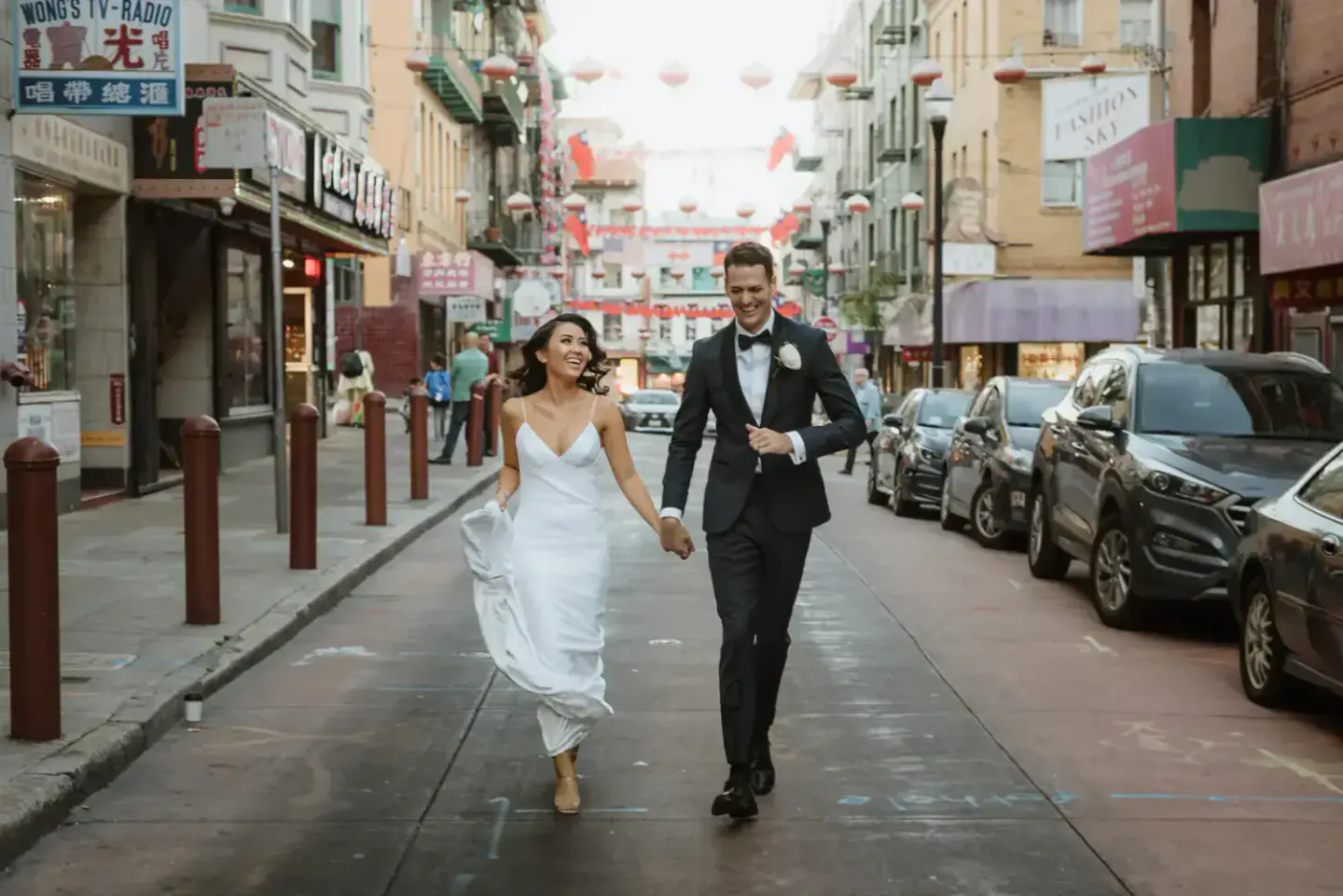
Begin with 30- or 60-minute blocks.
Start broad before turning the day into small increments. Getting ready, a first look, family photographs, the ceremony, cocktail hour, dinner, and dancing are easier to understand in half-hour or hour blocks. A little more time is almost always easier to use than a little less.
A first look can be grounding.
A first look is not only a photography decision. It gives the couple private time together before a busy day of socializing, and it can make the rest of the schedule feel less fragmented. If that quiet beginning sounds good, build enough time for it to be real rather than a five-minute reveal.
Separate family photographs from cocktail hour.
Family photographs are clearer and calmer when they have their own block, usually before the ceremony when a first look makes that possible. Asking the same people to be in formal photographs and cocktail hour at the same time makes both experiences feel rushed—and can cause the couple to miss the gathering they planned.
Keep dinner traditions simple.
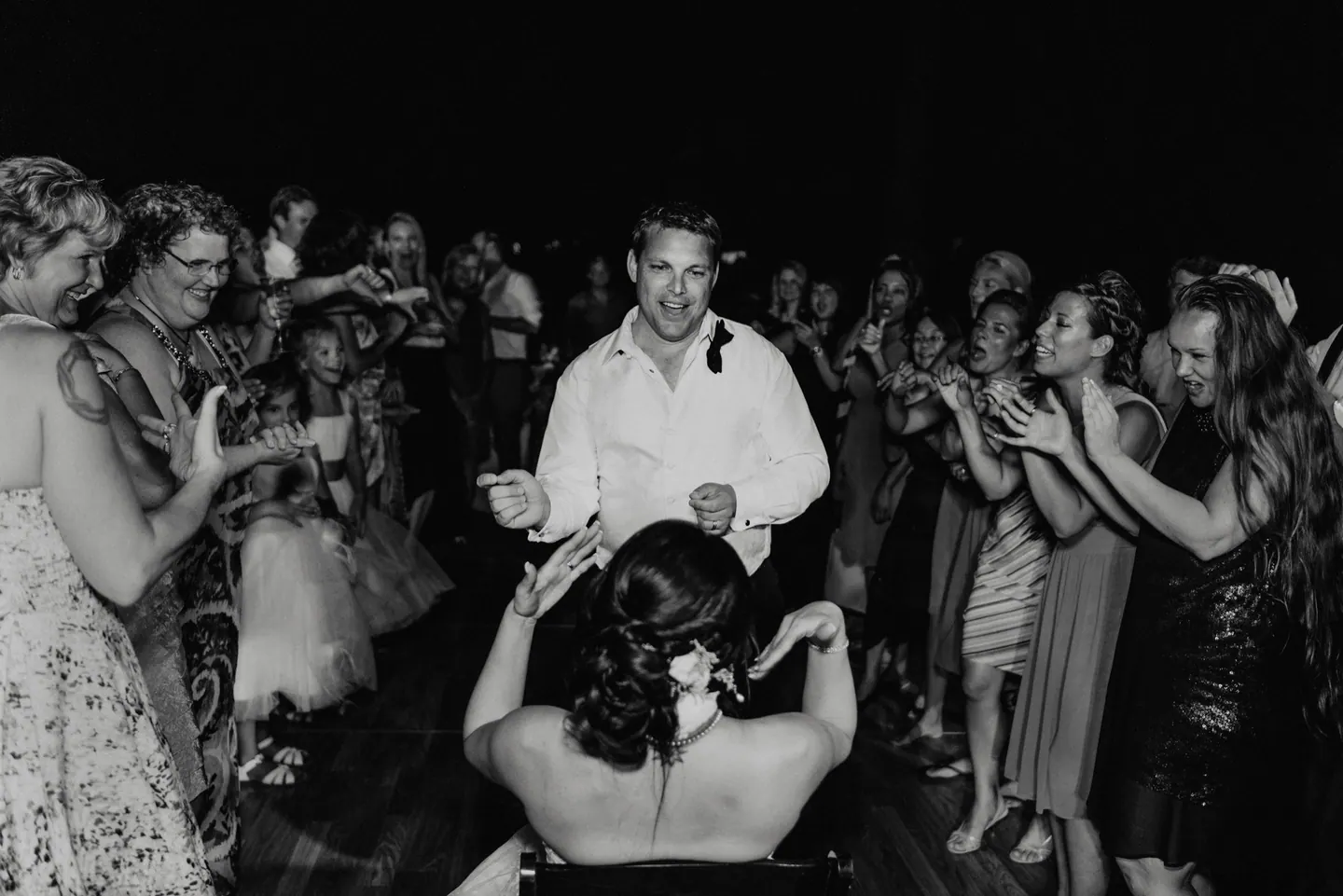
Spreading formal dances through dinner sounds varied on paper and often feels stressful in the room. Putting the dances together near the end of dinner creates one clear transition into the party. Fewer stop-and-start cues make it easier for guests, the kitchen, the band, and the couple to stay in the same moment.
Treat speeches and meal service as variables.
A speech is a wildcard: once someone has the microphone, the schedule is only a suggestion. Meal service also tends to drift a little behind the ideal plan—do not tell the caterer we told you. Give both parts breathing room instead of making every later moment depend on a best-case finish.
Protect the experience, not every line item.
The best timeline is clear enough to guide everyone and loose enough to absorb real life. Arrivals, conversations, weather, and the small transitions between scheduled events are part of the story. The goal is not to make the day run like a production; it is to make the important things easy to live.


