Engagement sessions without awkward posing — see the work

how to choose a wedding photographer

Choose the person, the process, and the complete body of work.

A quiet wedding portrait made on filmTwo grooms surrounded by friends during their Straus Home Ranch ceremony

A portfolio can show taste. It cannot by itself show how someone plans, communicates, handles pressure, photographs family, works in difficult light, protects files, or edits a complete wedding. Those parts matter just as much as the strongest twenty photographs.

01

Start with several complete weddings.

Look beyond the opening portfolio and ask to see full galleries from different kinds of celebrations. Range is the point: hard light, rain, dark rooms, changing timelines, small groups, large families, quiet people, and loud dance floors. The work should stay strong even when the photographer is not in control.
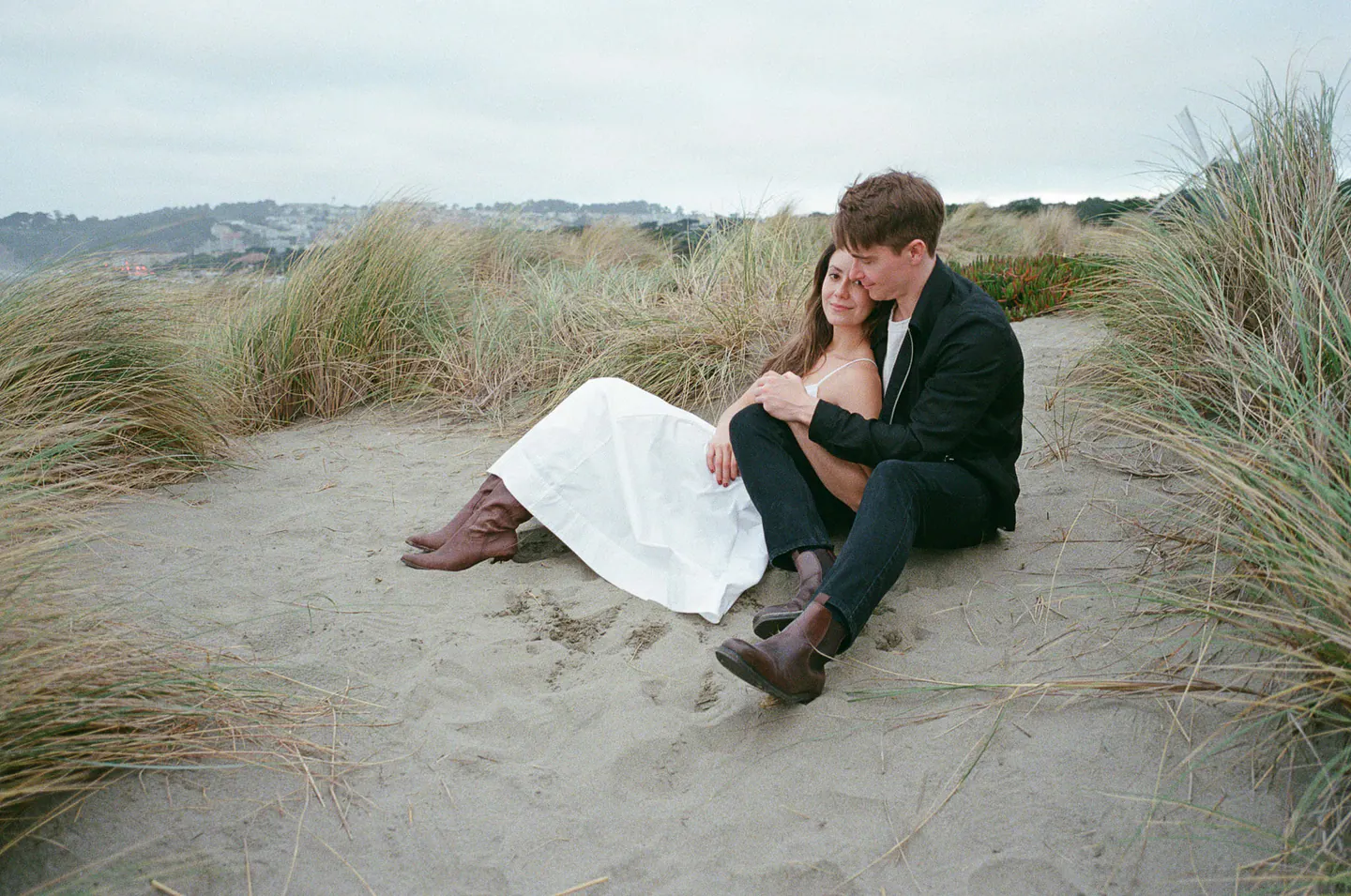
Newlyweds together at a childhood home in the Oakland Hills
01 · Newlyweds together at a childhood home in the Oakland Hills
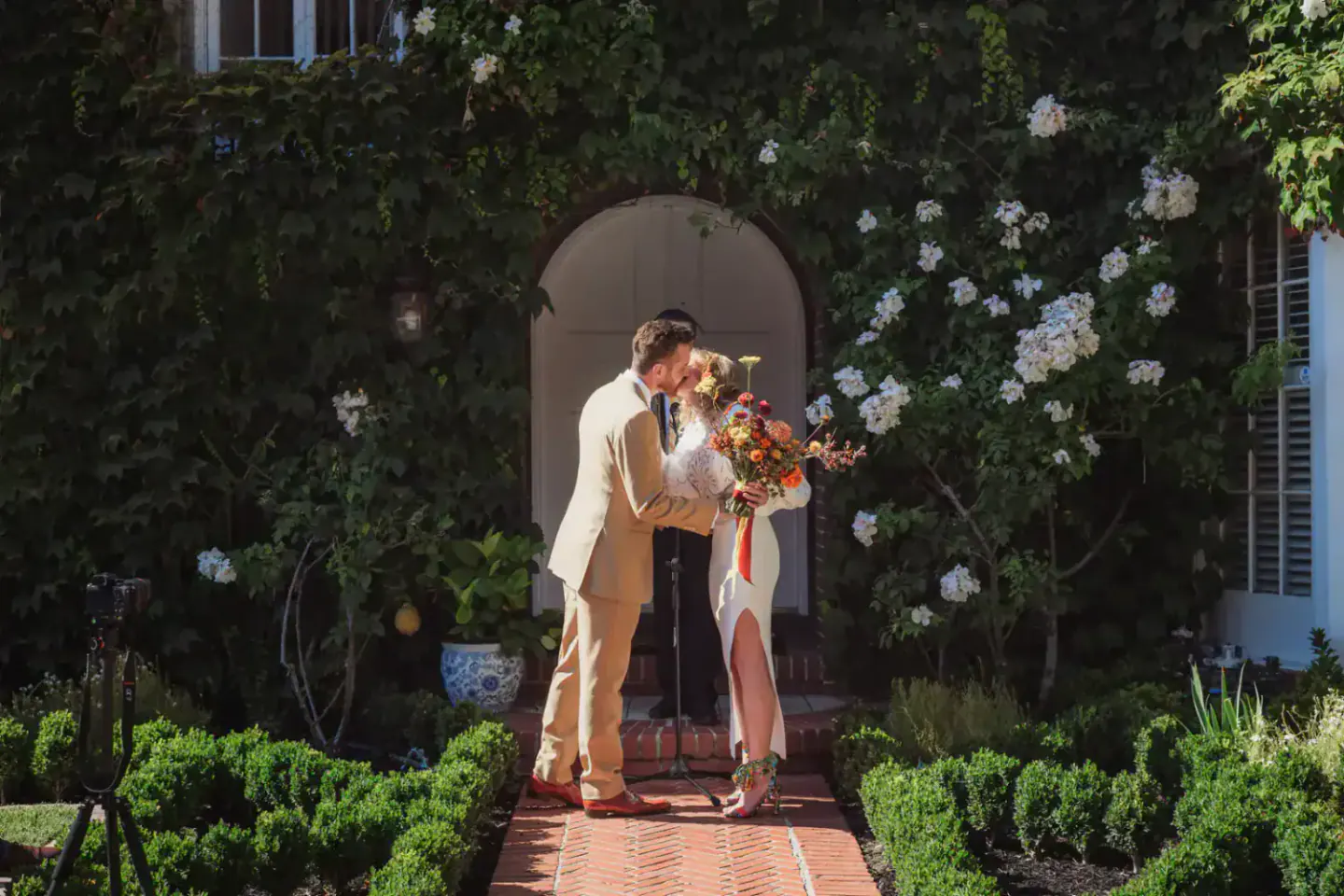
A wedding exit completing the visual story of the day
02 · A wedding exit completing the visual story of the day
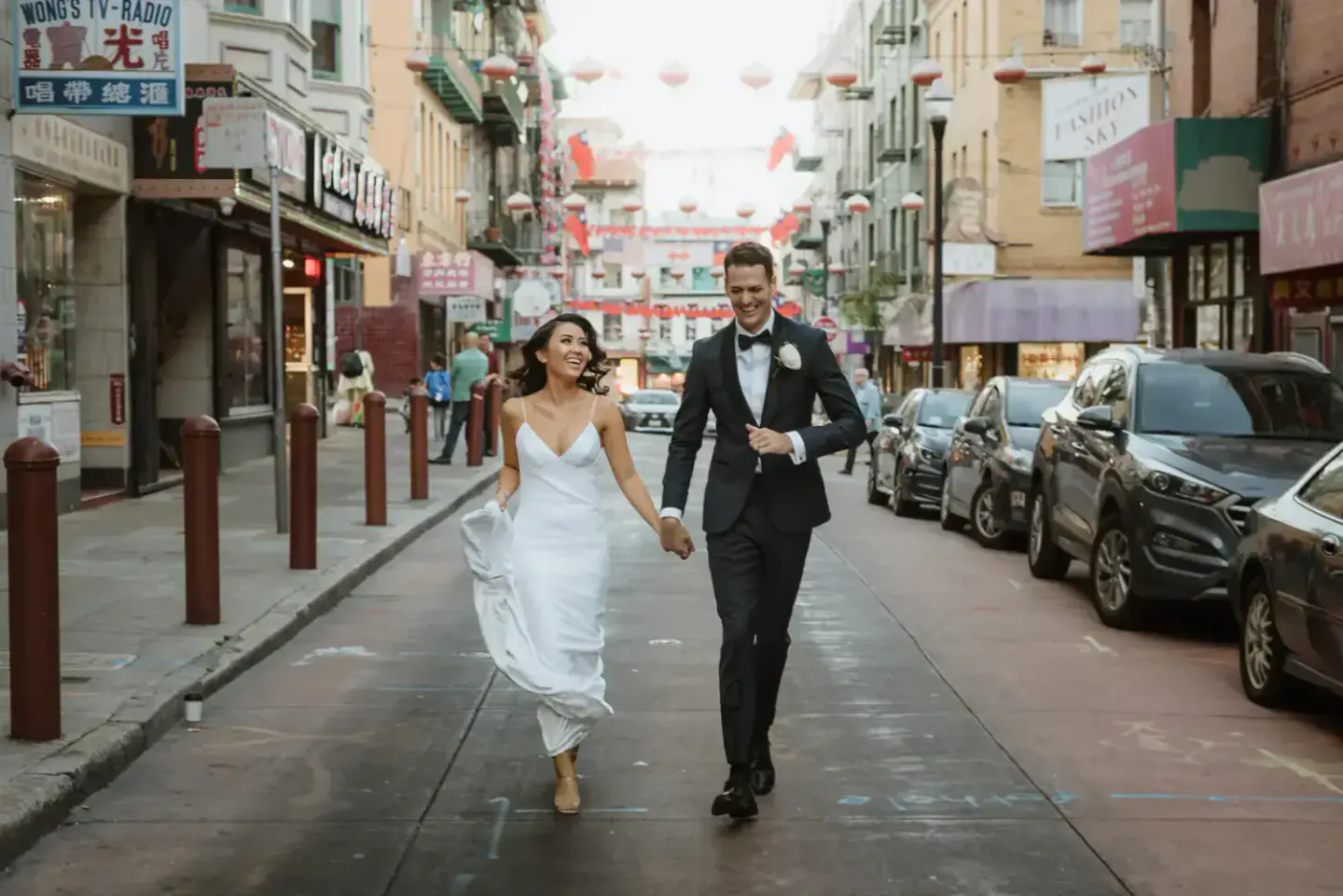
Newlyweds running together through Chinatown after their San Francisco City Hall wedding
03 · Newlyweds running together through Chinatown after their San Francisco City Hall wedding
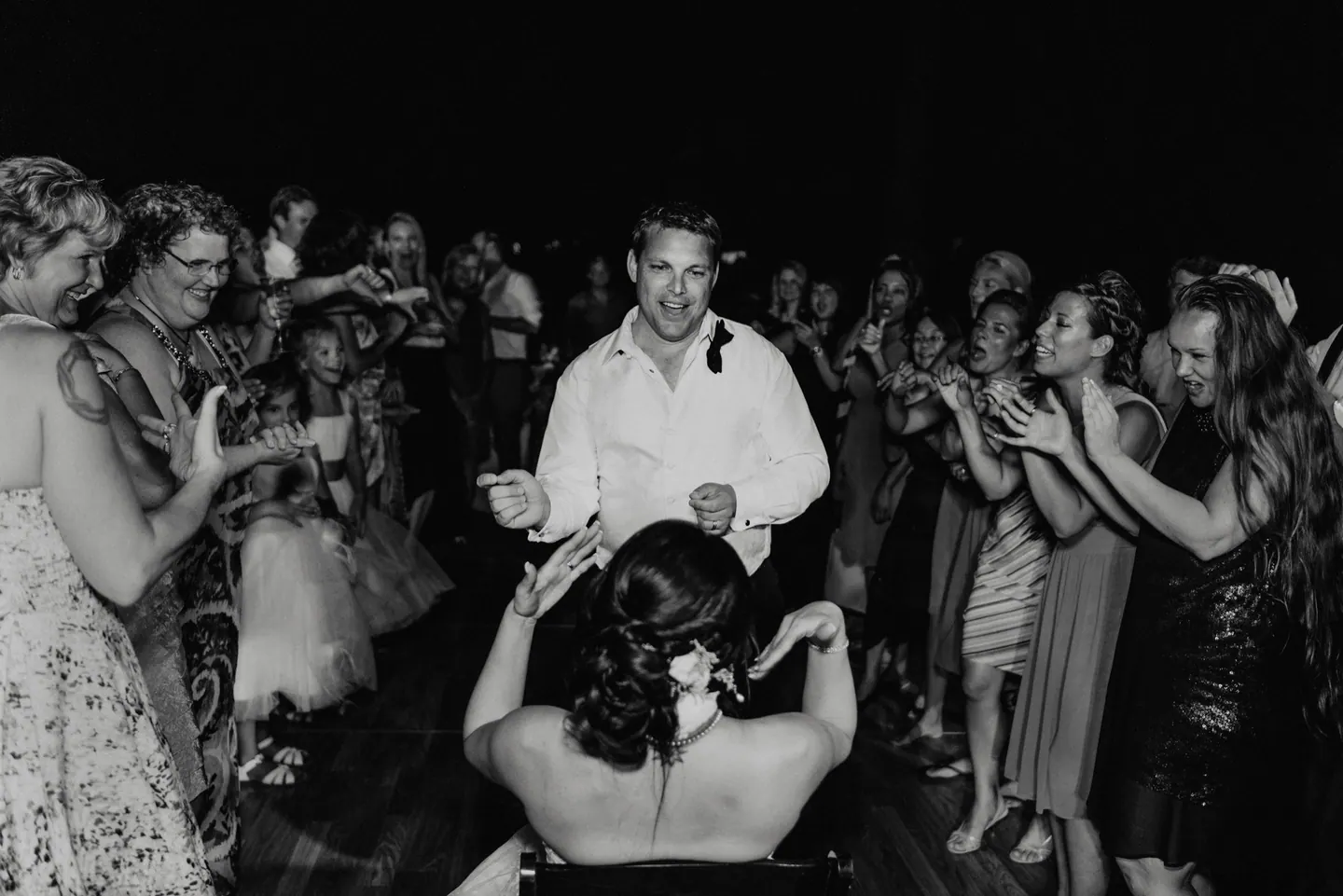
A crowded dance floor photographed with layered documentary attention
04 · A crowded dance floor photographed with layered documentary attention
02

Understand how the photographer works around people.

Ask when they give direction, how long portraits usually take, what happens when the timeline slips, and how they approach camera-shy people. A style description should translate into a believable experience on the day.

03

Evaluate the planning, not only the personality.

It is useful to like the person. It is more useful to know they can turn the ceremony time, travel, family dynamics, light, venue restrictions, and priorities into a workable plan without making photography the center of the wedding.

04

Ask about failure before it happens.

Professional coverage needs backup cameras, redundant memory cards, a clear file workflow, insurance, contracts, and a plan for illness or emergency. These questions are ordinary due diligence, not pessimism.

05

Compare what is delivered and what lasts.

Clarify hours, second photographers, film, previews, gallery timing, resolution, printing rights, archive policy, albums, travel, and taxes. The least expensive collection is not always less work; sometimes it simply removes the parts you will want later.

Look beyond the highlight reel

Choose the person who can carry the whole day, not one kind of photograph.

Review at least two complete galleries and look at the parts photographers rarely lead with: family photographs, getting ready in an ordinary room, midday sun, dinner, speeches, children, dark dancing, weather, and the transitions between them. The work should remain emotionally specific and technically stable when the venue is no longer doing the visual work for it.

Then evaluate the experience. Communication should be plain, coverage and pricing should be legible, backup and replacement plans should be real, and direction should fit how you want to spend the day. A photographer can make ambitious portraits and still protect cocktail hour; can work candidly and still organize family; and can offer ideas without requiring the wedding to revolve around photography.

  • See complete galleries, not only portfolio favorites
  • Ask who will actually photograph and edit the wedding
  • Understand direction, timeline help, and family-photo process
  • Read the contract and compare the complete budgeting number

The short version

Keep these decisions visible.

  • Three or more relevant complete galleries
  • A clear explanation of direction and documentary coverage
  • Backup equipment and redundant file handling
  • Specific deliverables and realistic timing
  • A process that makes you feel informed rather than managed

Questions couples ask

Use the guide to make a decision, not another mood board.

What should we decide first about choosing a wedding photographer?

Look beyond the opening portfolio and ask to see full galleries from different kinds of celebrations. Range is the point: hard light, rain, dark rooms, changing timelines, small groups, large families, quiet people, and loud dance floors. The work should stay strong even when the photographer is not in control.
What mistake creates the most pressure?

Professional coverage needs backup cameras, redundant memory cards, a clear file workflow, insurance, contracts, and a plan for illness or emergency. These questions are ordinary due diligence, not pessimism.

What is the short, practical version?

Keep these priorities visible: three or more relevant complete galleries; a clear explanation of direction and documentary coverage; backup equipment and redundant file handling; specific deliverables and realistic timing; a process that makes you feel informed rather than managed.

See the advice inside real days

See how the decisions hold up in complete stories.

Newlyweds overlooking the coast after their Slide Ranch wedding in Muir Beach
01

Wedding story · Slide Ranch

A sixty-person coastal wedding at Slide Ranch

Ginny and Gilbert's San Francisco Botanical Garden wedding and La Mar reception
02

Wedding story · San Francisco Botanical Garden and La Mar

A San Francisco Botanical Garden Wedding and La Mar Reception

Stephanie and Burton's garden wedding at Jefferson Street Mansion in Benicia
03

Wedding story · Jefferson Street Mansion

A Garden Wedding at Jefferson Street Mansion in Benicia