

Ninety minutes can hold a focused City Hall story.
For a civil ceremony with a small group, coverage can begin before check-in, follow the ceremony and reactions, include a concise family set, and make portraits inside the building. Adding a second location changes the calculation.


Three to five hours suits many elopements and small weddings.
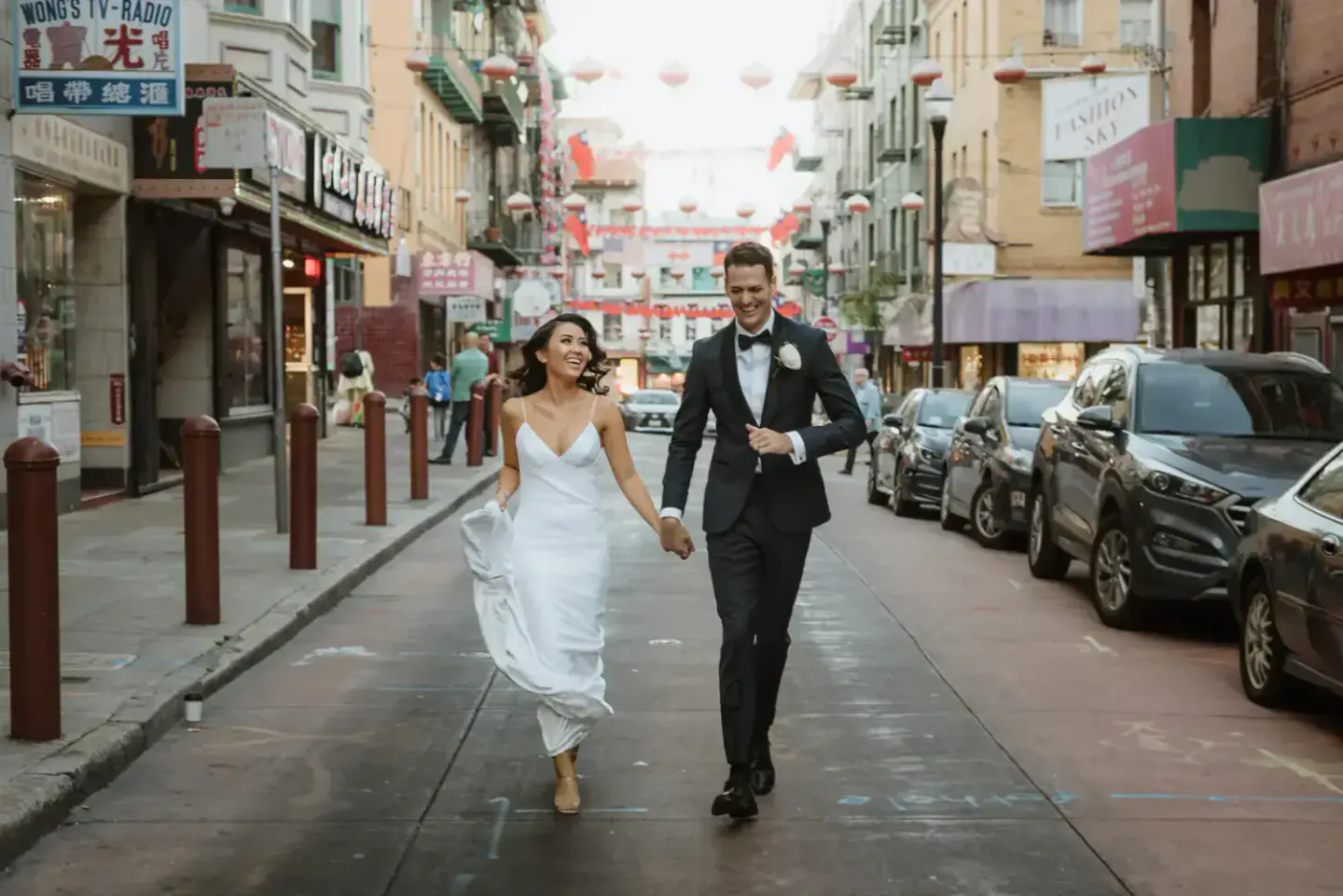
This range can include preparation or a first look, ceremony, family, portraits, and one meal or neighborhood chapter. It works when locations stay close and the guest experience is intentionally compact.
Eight hours covers the center of many full weddings.
A well-planned single-location or short-travel day can move from late preparation through the first part of dancing. The tradeoff is usually less early context, less open reception coverage, or no formal exit.
Ten or more hours gives transitions room to become story.
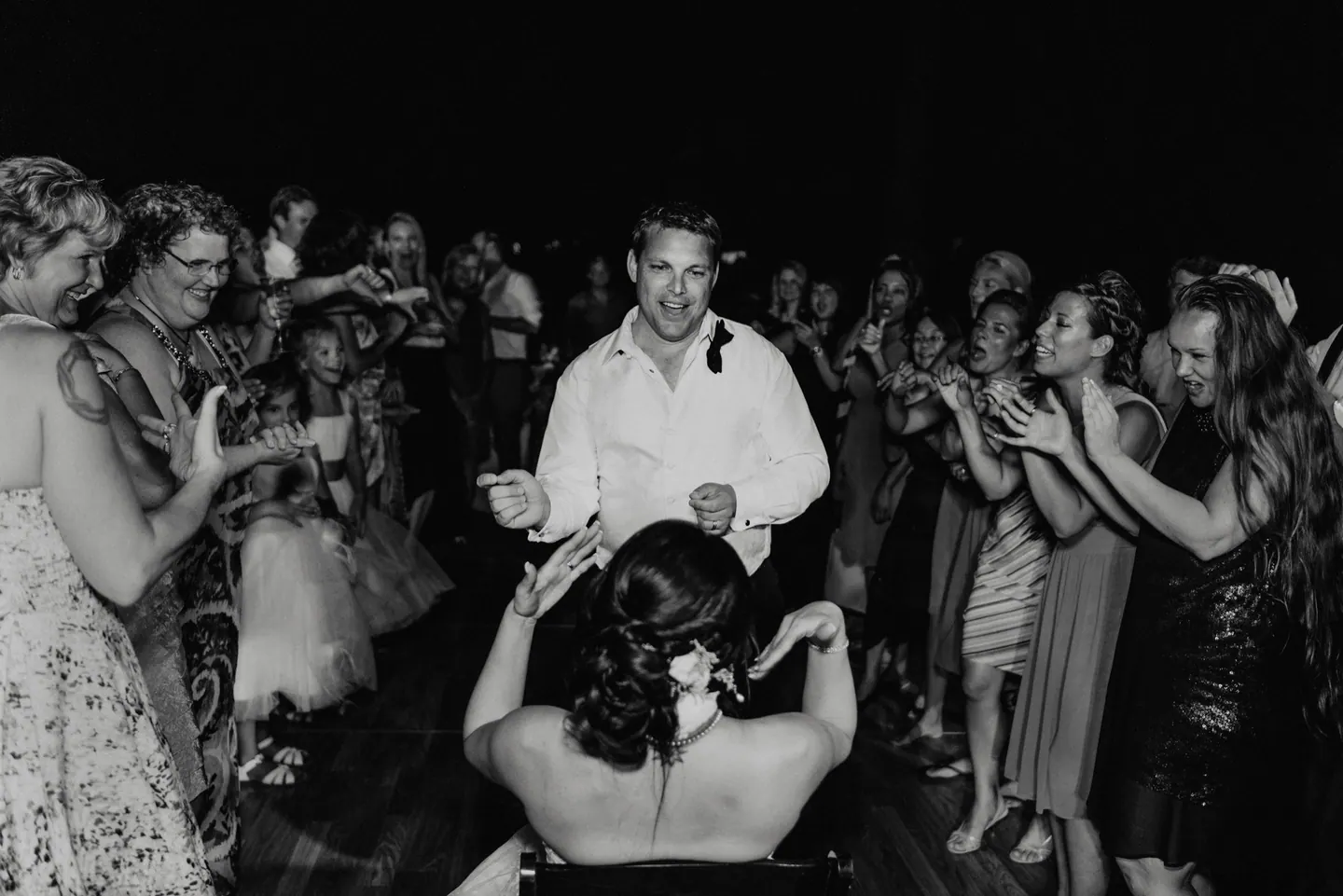
Longer coverage is useful for multiple locations, cultural traditions, larger families, substantial travel, dinner and speeches, or a party that needs time to develop. It should add lived time, not stretch a photo shoot.
A second photographer changes perspective, not the clock.
Two photographers can cover simultaneous preparation, guest reactions, and a complex ceremony more completely. They do not replace the hours needed to move through separate events, meals, travel, and evening light.


