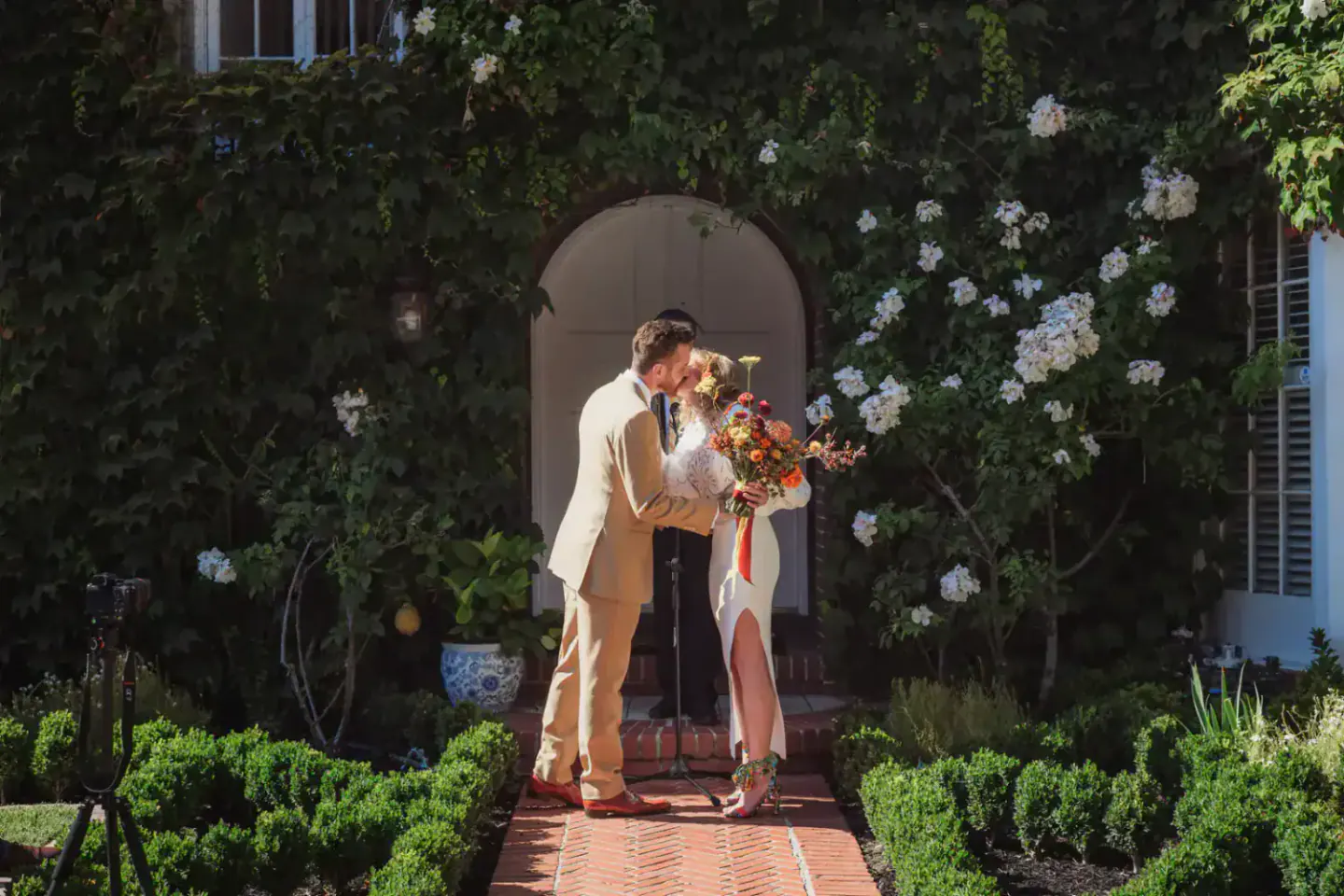
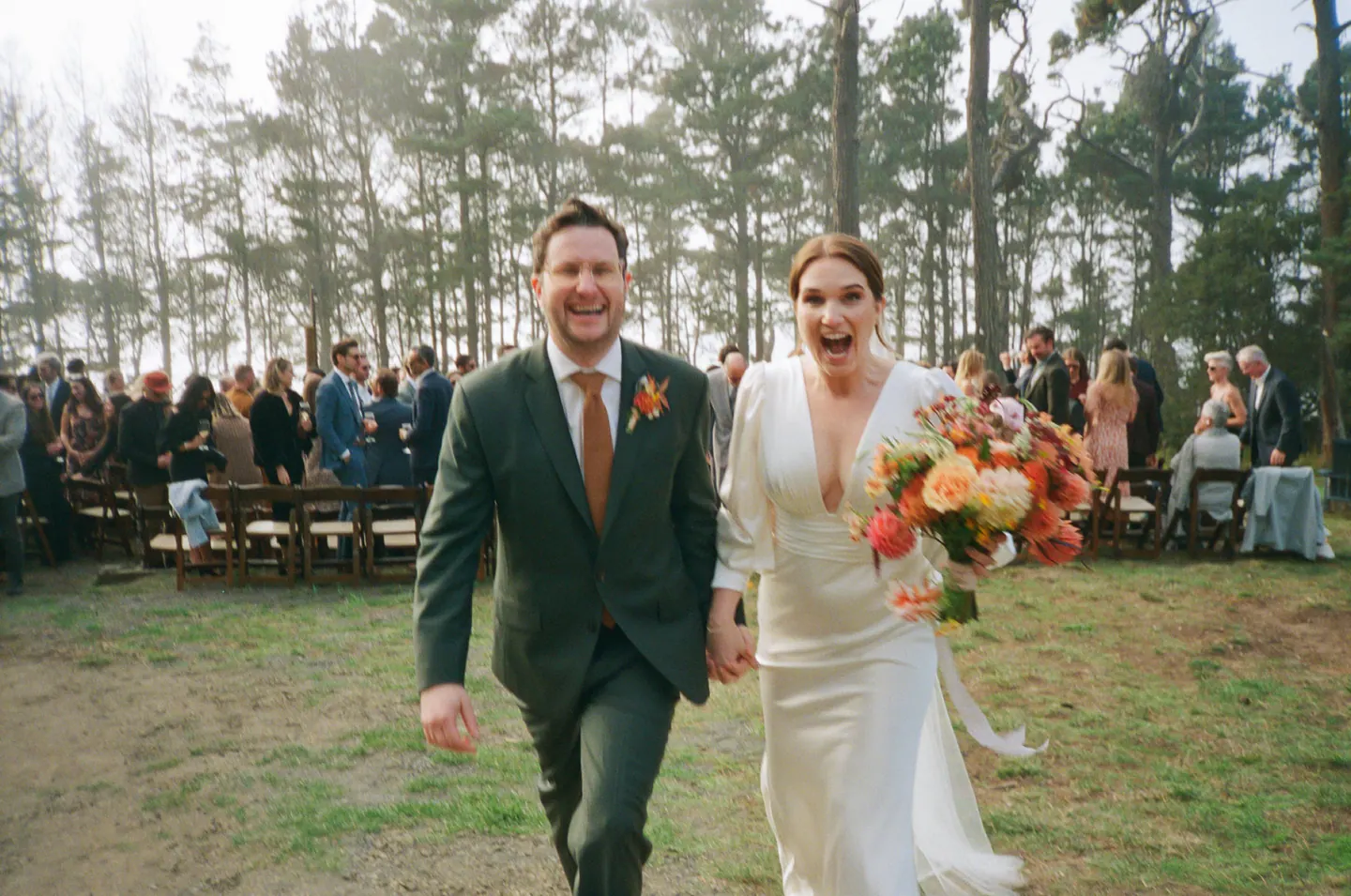
Choose privacy or shared anticipation.
A first look creates a short private chapter before guests arrive. Waiting makes the first sight part of the ceremony and lets everyone witness it. Think about which setting will help you feel the moment rather than which version is supposed to photograph better.
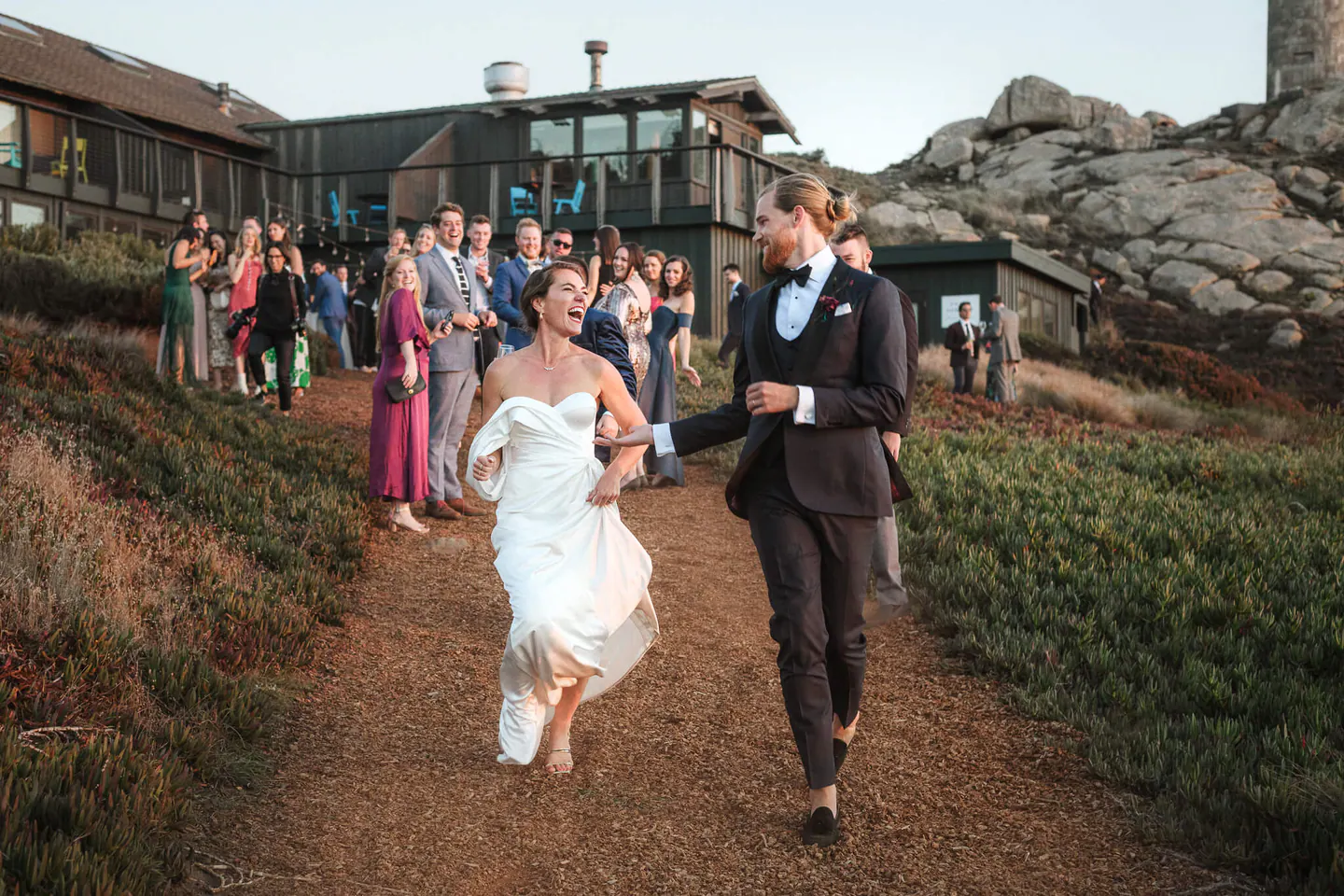

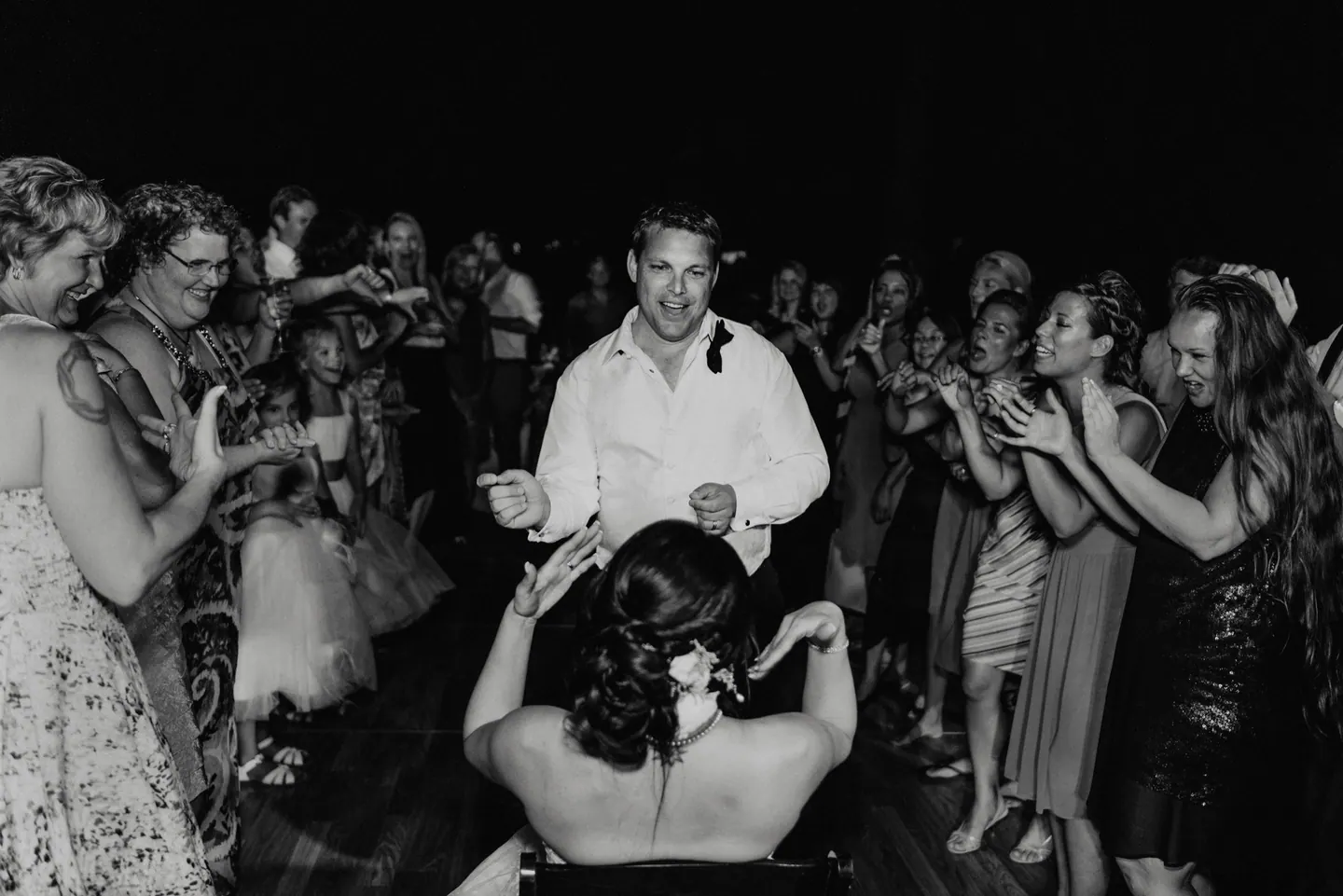

Look honestly at the timeline.
A first look can move couple and family photographs before the ceremony, leaving more of cocktail hour free. It is most useful when the ceremony is late, travel is complicated, or daylight disappears soon afterward.
Do not stage a reaction.
If you choose a first look, it does not need a tap on the shoulder, a perfect mark, or instructions about how to respond. A quiet meeting place and enough time are usually more valuable than choreography.
Waiting can still work beautifully.
When couples prefer the aisle, we protect time after the ceremony for family and portraits. That may mean a shorter list, a nearby location, a longer cocktail hour, or portraits later when the light and energy make sense.
Keep the decision reversible.
Weather, nerves, hair and makeup, transportation, or a delayed ceremony can change the plan. Build a timeline where the wedding remains intact if a first look becomes shorter—or does not happen at all.


