Engagement sessions without awkward posing — see the work

documentary wedding photography guide

Plan for a remarkable day and the photographs will follow.

An unexpected sprinkler moment becoming part of the wedding storyA concise San Francisco wedding portrait using architecture and light

The wedding industry often suggests that spending more, decorating more, and controlling more will produce a better wedding. After more than 500 weddings, we have found the opposite more often: the strongest photographs come from a room full of connection, a plan that protects the people, and enough permission for the day to become its own thing.

01

Plan for the experience before planning for photographs.

The useful goal is not a wedding that looks finished from every angle. It is a day where people can arrive, understand what is happening, eat, connect, and stay present. Details and design can deepen that experience, but they cannot replace it. When the schedule, rooms, and transitions work for the people, the photographs gain more than another hour of staged content could provide.
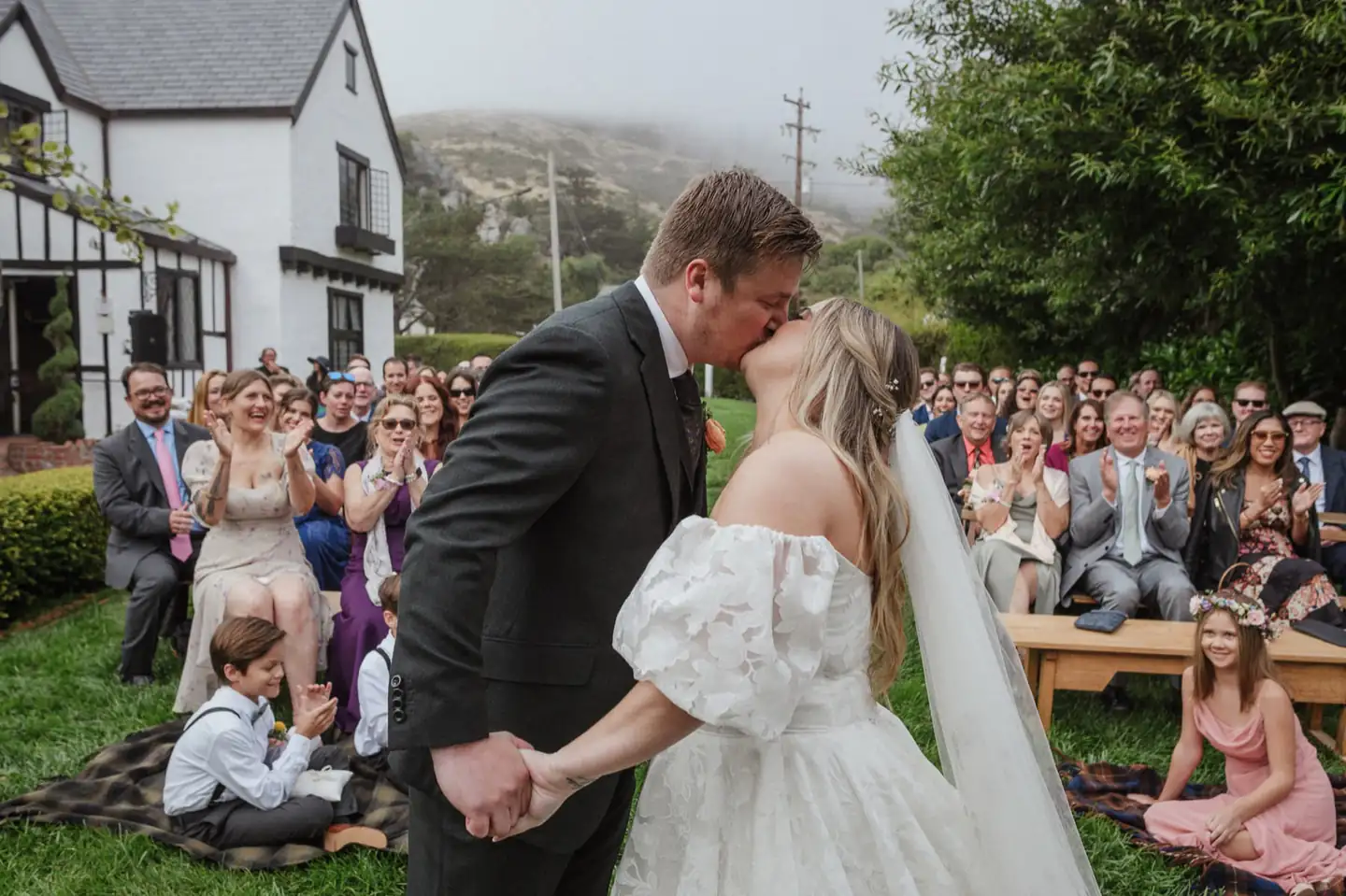
A ceremony kiss held within the reactions of the guests
01 · A ceremony kiss held within the reactions of the guests
Wedding guests making their own photograph during an unscripted moment
02 · Wedding guests making their own photograph during an unscripted moment
A live wedding band and guests filling the dance floor
03 · A live wedding band and guests filling the dance floor
A wedding cake and human reaction photographed in difficult reception light
04 · A wedding cake and human reaction photographed in difficult reception light
02

Make getting ready comfortable, bright, and human.

Choose enough space for the people who will actually be there, open the curtains, and use window light when possible instead of mixing every ceiling lamp with daylight. Put genuinely important objects together before photography begins, but do not sterilize the room. Breakfast, music, children, friends, and the ordinary pace of the morning give the story context while helping everyone get used to the cameras.

03

Use a first look only when it serves the two of you.

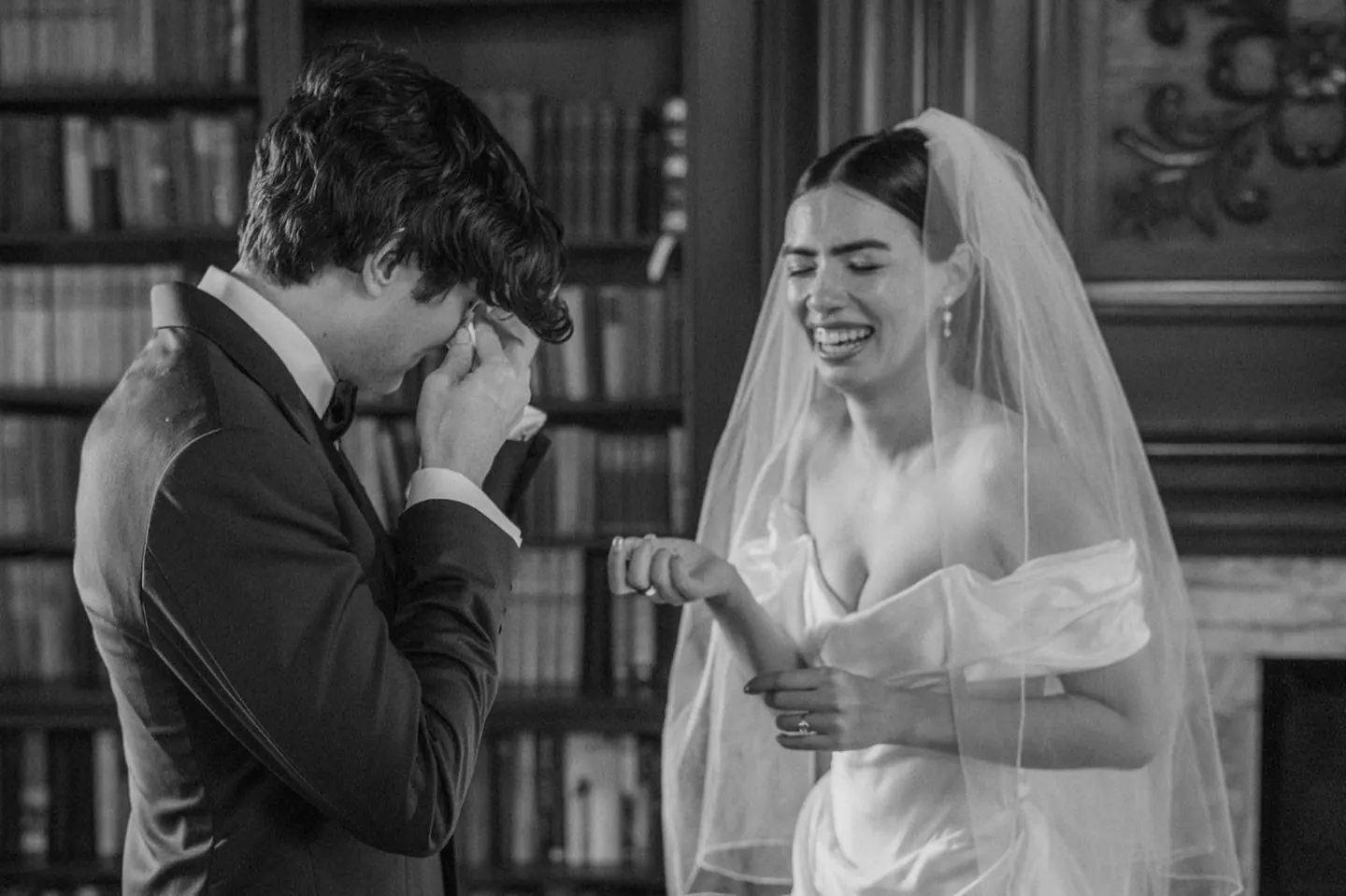
Seeing each other before the ceremony can settle nerves, create a private check-in, and make it possible to complete family photographs before guests move toward cocktail hour. Waiting for the aisle can preserve the anticipation you actually want. Neither option is more authentic. If you choose a first look, it needs privacy and time more than choreography or a demanded reaction.

Older family members dancing during a complete wedding story
09 · Older family members dancing during a complete wedding story
Newlyweds moving through an orchard instead of holding a static pose
10 · Newlyweds moving through an orchard instead of holding a static pose
A crowded wedding dance floor after the formal schedule has loosened
11 · A crowded wedding dance floor after the formal schedule has loosened
Friends laughing together while getting ready for a Bay Area wedding
12 · Friends laughing together while getting ready for a Bay Area wedding
04

Keep formal family photographs concise and explicit.

Write the essential combinations by name, tell us privately about divorce, bereavement, estrangement, mobility, remarriage, and chosen family, then ask one informed person from each side to help gather people. Photographing larger groups first and releasing people as they finish usually keeps the useful set within about thirty minutes. Longer lists are possible, but the cost is time with the rest of the wedding.

05

Treat couple portraits as a short shared chapter.

Portraits work best as time together rather than a production tour. One location with visual range, a little movement, and clear direction when it helps can make deliberate photographs without losing cocktail hour. Sunset can be beautiful, but the plan should not depend on a perfect sky. The valuable part is the chance to step away together after the pressure of the ceremony has changed.

An emotional first look photographed without staging a reaction
17 · An emotional first look photographed without staging a reaction
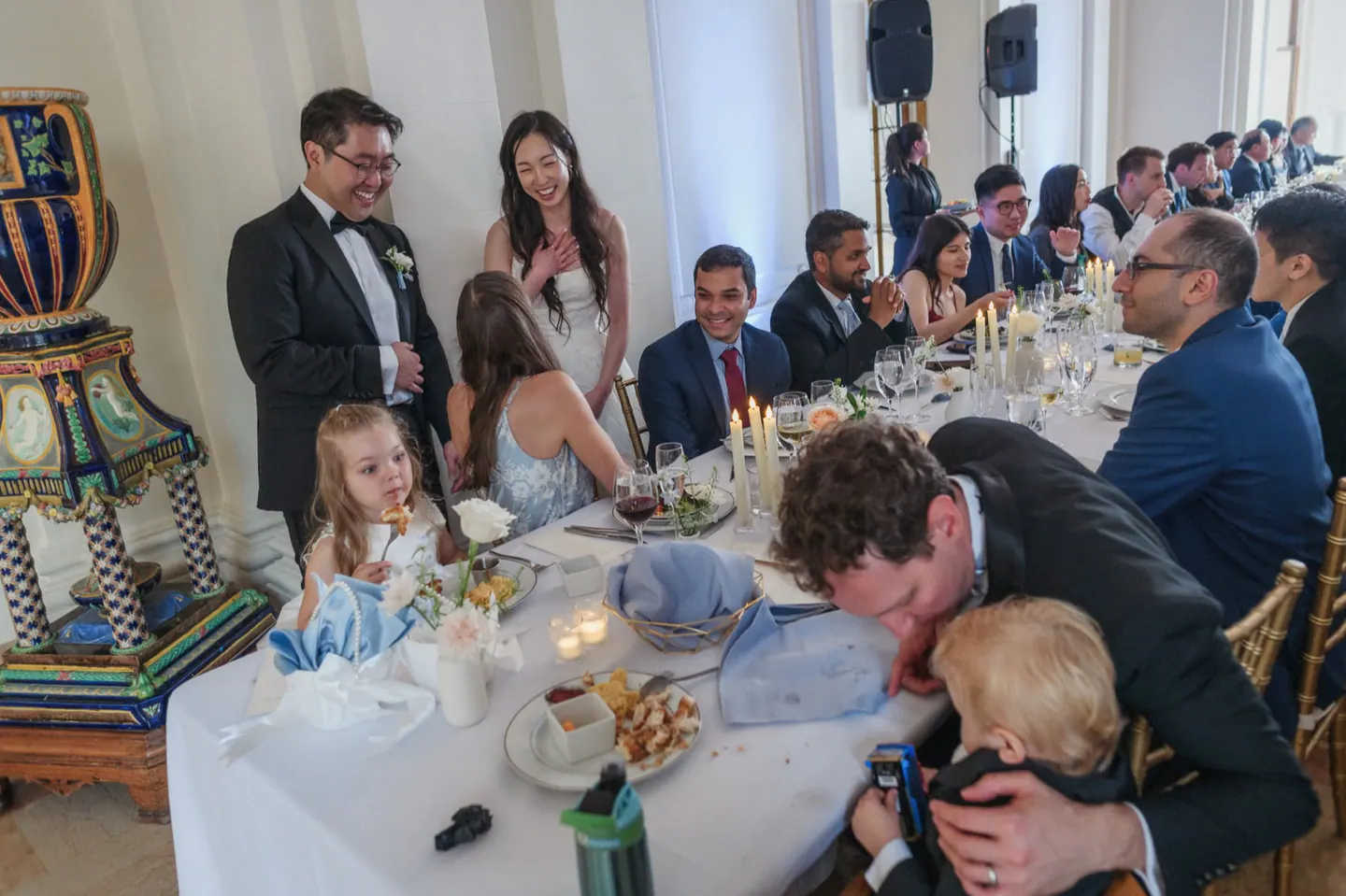
Family gathered closely during a wedding dinner
18 · Family gathered closely during a wedding dinner
06

Plan ceremony light for people, not a diagram.

Midday sun, dappled redwood light, deep window backlight, fog, and rain all need different responses. Shade is often more comfortable than broken sun; placing the sun behind the ceremony can reduce harsh facial shadows; later light may be softer. Yet sightlines, sound, wind, accessibility, and ritual remain more important than rotating everyone for an ideal exposure. Experienced photographers should be able to work when the compromise is imperfect.

07

An unplugged ceremony is about faces, not phone policing.

Asking guests to put devices away helps them witness the ceremony and keeps the aisle from becoming a wall of screens. A simple note in the program and one warm announcement from the officiant is usually enough. Reassure people that professional photographs will be shared. After the ceremony, guests making their own pictures can become a charming part of the record rather than a rule violation.

08

Feed the people doing the work—and yourselves.

Couples who skip breakfast and lunch often feel the cost exactly when the day should open up. Plan easy food and water during preparation. Photographers need a hot meal while the couple eats, not after every toast begins; caterers should know that timing in advance. A thirty-minute pause at dinner protects the later photographs far better than asking someone to work hungry through hour eight.

09

The plan succeeds when everyone can finally let it go.

A strong plan handles access, timing, family, food, light, and responsibility before the wedding. Then comes the part we value most: the point when nobody needs to manage the wedding anymore. Weather shifts, clothes get lived in, the dance floor gets strange, and people stop thinking about the photographs. That is not the plan failing. It is often when the real story begins.

The short version

Keep these decisions visible.

  • A schedule built around people, meals, and realistic transitions
  • Comfortable preparation spaces with useful window light
  • A first-look decision based on experience rather than pressure
  • A named, concise family photograph list
  • One portrait plan that protects time with guests
  • Ceremony comfort, sound, and sightlines considered with light
  • A simple unplugged-ceremony message if it fits
  • Meals and water scheduled for the couple and photography team
  • Permission to let the plan go once it has done its work

Questions couples ask

Use the guide to make a decision, not another mood board.

What should we decide first about booked-client wedding guide?

The useful goal is not a wedding that looks finished from every angle. It is a day where people can arrive, understand what is happening, eat, connect, and stay present. Details and design can deepen that experience, but they cannot replace it. When the schedule, rooms, and transitions work for the people, the photographs gain more than another hour of staged content could provide.

What mistake creates the most pressure?

Write the essential combinations by name, tell us privately about divorce, bereavement, estrangement, mobility, remarriage, and chosen family, then ask one informed person from each side to help gather people. Photographing larger groups first and releasing people as they finish usually keeps the useful set within about thirty minutes. Longer lists are possible, but the cost is time with the rest of the wedding.

What is the short, practical version?

Keep these priorities visible: a schedule built around people, meals, and realistic transitions; comfortable preparation spaces with useful window light; a first-look decision based on experience rather than pressure; a named, concise family photograph list; one portrait plan that protects time with guests; ceremony comfort, sound, and sightlines considered with light; a simple unplugged-ceremony message if it fits; meals and water scheduled for the couple and photography team; permission to let the plan go once it has done its work.

See the advice inside real days

See how the decisions hold up in complete stories.

A Marin Civic Center wedding through curved halls and gardens
01

Wedding story · Marin County Civic Center

A Marin Civic Center wedding through curved halls and gardens

Ginny and Gilbert's San Francisco Botanical Garden wedding and La Mar reception
02

Wedding story · San Francisco Botanical Garden and La Mar

A San Francisco Botanical Garden Wedding and La Mar Reception

Stephanie and Burton's garden wedding at Jefferson Street Mansion in Benicia
03

Wedding story · Jefferson Street Mansion

A Garden Wedding at Jefferson Street Mansion in Benicia