Engagement sessions without awkward posing — see the work

Bay Area film wedding photographer

Film wedding photography with a complete digital safety net.

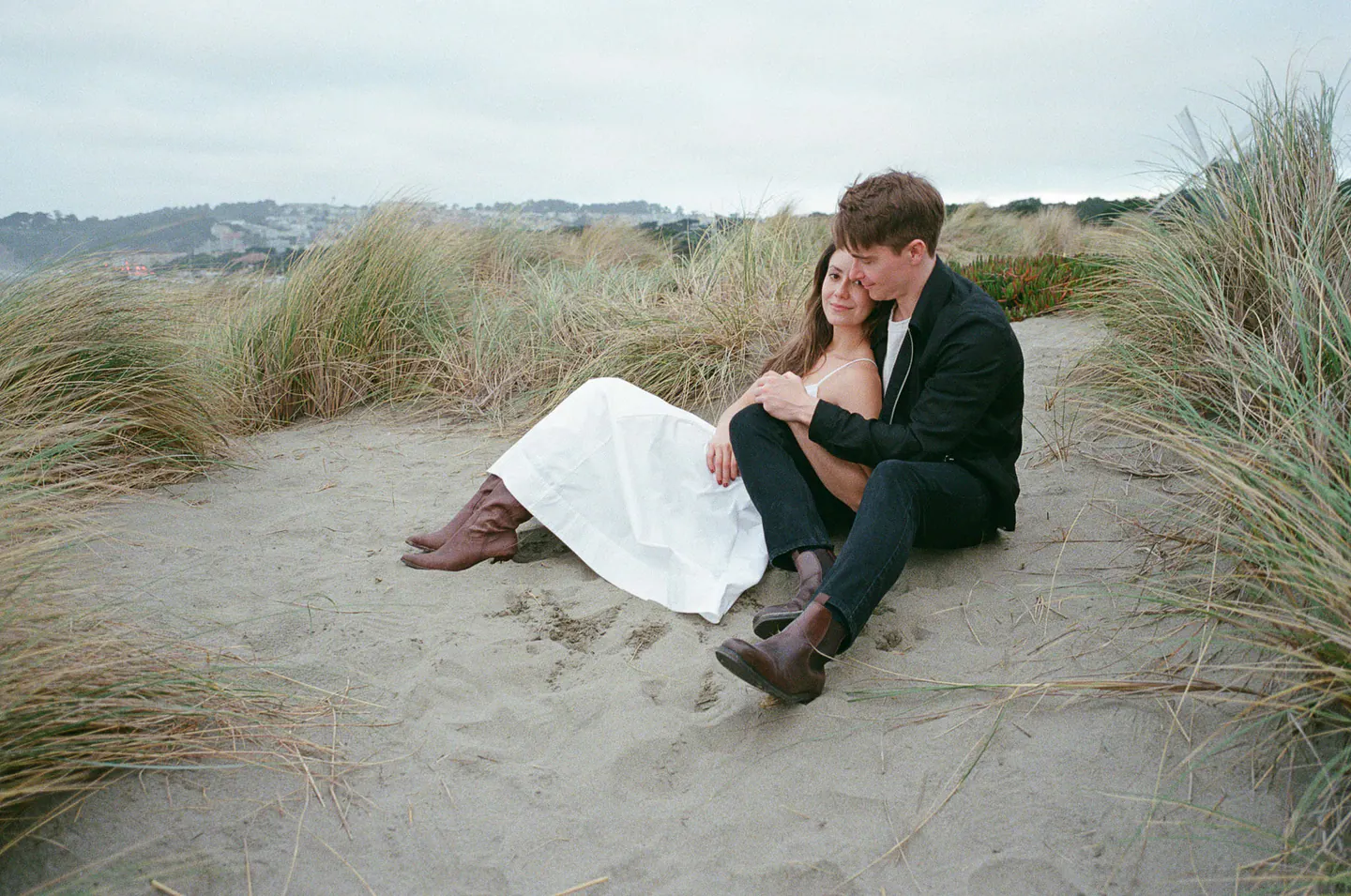
A Bay Area wedding photograph made on film
Newlyweds together beside a Chinatown mural during a small San Francisco wedding
Jamie and Anthony together inside the curved architecture of the Marin County Civic Center

We add film photography to complete digital coverage so texture never comes at the expense of the story. We choose the cameras, formats, and moments according to the light, pace, and character of the day; digital protects fast movement, difficult light, and everything that does not wait.

No awkward posing. No script for how the day should feel. We make the plan and solve the photography so you can stay with the people who make you forget about the camera.

Tell us what you are planning

Choose where to begin

Go straight to the part of the work that answers the question.

01

Wedding photography

Complete coverage with real moments at the center and direction when it helps.

02

Wedding stories

Full days, not highlight fragments—organized by place, feeling, and kind of celebration.

03

Planning guides

Useful decisions about timelines, light, family, film, weather, and photographs.

04

Venue field guides

First-hand notes organized by venue, landscape, and region.

01

The medium follows the moment.

Film is strongest when its pace, color, grain, and restraint add something. Digital is stronger when action, darkness, rapidly changing light, or complete sequential coverage matters. We move between them without asking the wedding to pause for the camera.

02

One gallery, not two competing looks.

Film scans and digital files are edited together around the real light and atmosphere of the day. Skin remains alive, color remains believable, and neither medium is pushed into a heavy preset that erases what the room felt like.

03

Film is an addition, not a shortage.

The digital story remains complete while film contributes another texture and way of seeing. Film photographs are professionally developed and scanned, then incorporated naturally into the final gallery alongside the finished digital photographs. No fixed number of film images is promised.

See the work in context

Complete stories from this place and approach.

A Santa Cruz Museum of Natural History wedding by the coast
01

Seabright · Santa Cruz

A Santa Cruz Museum of Natural History wedding by the coast

A Muir Woods and Muir Beach elopement on film
02

Muir Woods and the Marin coast

A Muir Woods and Muir Beach elopement on film

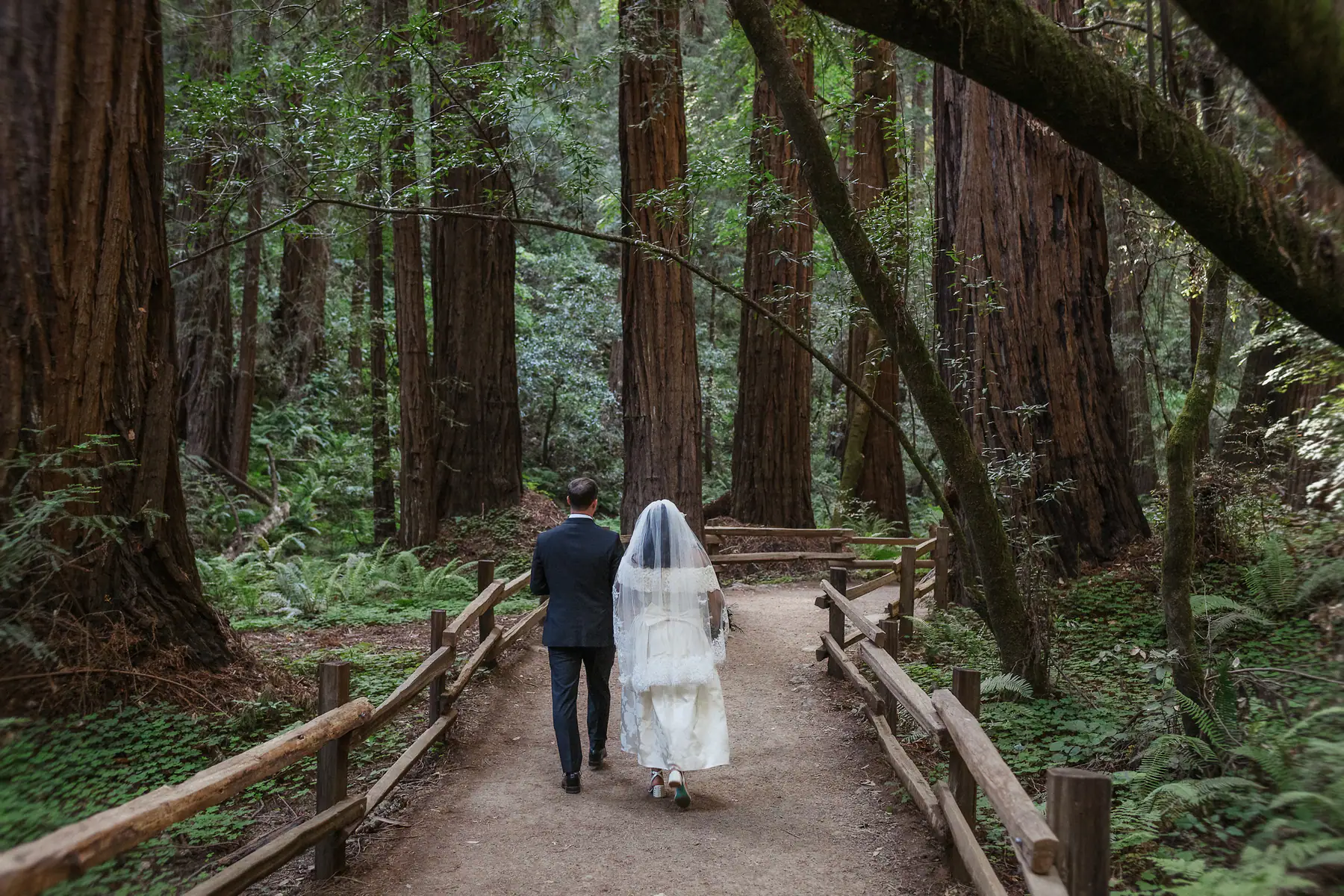
Newlyweds walking beneath the redwoods after a San Francisco City Hall ceremony
03

San Francisco and Marin County

A San Francisco City Hall and Muir Woods elopement

A relaxed wedding at Westerbeke Ranch in Sonoma
04

Sonoma, California

A relaxed wedding at Westerbeke Ranch in Sonoma

What local experience changes

Film is one material inside complete coverage, not a filter laid over it.

Film changes pace, color, texture, exposure, and the physical handling of each frame. Digital protects speed, low light, quantity, and redundancy. We use both because the wedding asks for both kinds of attention.

01

Film is chosen frame by frame.

A roll is finite, so light, movement, focus, and the reason to use film matter before the shutter. That restraint can be beautiful without asking the entire wedding to slow down for the camera.

02

Digital protects the unrepeatable parts.

Fast ceremonies, dark receptions, parallel action, and rapidly changing exposure benefit from digital speed and redundancy. Film adds to the story instead of becoming a reason to miss it.

03

Scanning and editing make the two mediums agree.

Film is developed and scanned, then both film and digital receive color, density, skin, and black-and-white judgment so the final gallery feels coherent rather than divided into competing looks.

Questions couples ask

Enough context to make the next decision.

How many film photographs will we receive?

The amount and type of film we use depends on the light, pace of the day, and where we feel film contributes something meaningful. We do not promise that a fixed percentage or image count from an unpredictable day will belong to one camera or format.

Can film be used at night?

Yes, with the right stock, exposure, flash, and expectations. Digital remains valuable when light is extremely low or action changes too quickly for film to carry complete coverage alone.

Will film and digital look different in the gallery?

They retain different texture and response, but color and tonal editing bring them into one visual family. The goal is range without making the wedding feel like two separate photographers worked on it.