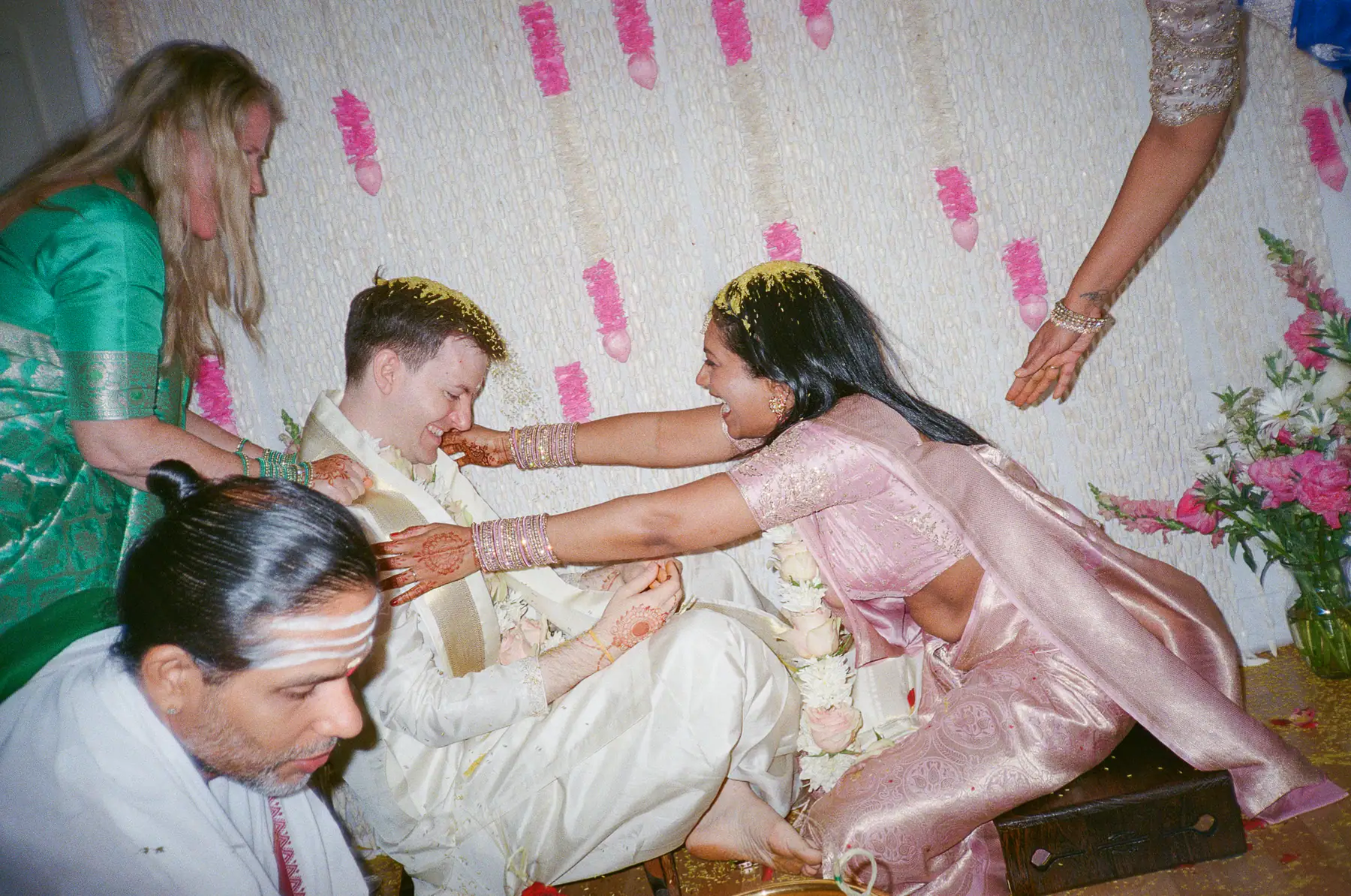
Complex timelines need calm coverage.
Multiple events, locations, families, and clothing changes are mapped before the wedding so coverage stays complete without making the couple manage the photography.
Bay Area Indian wedding photographer


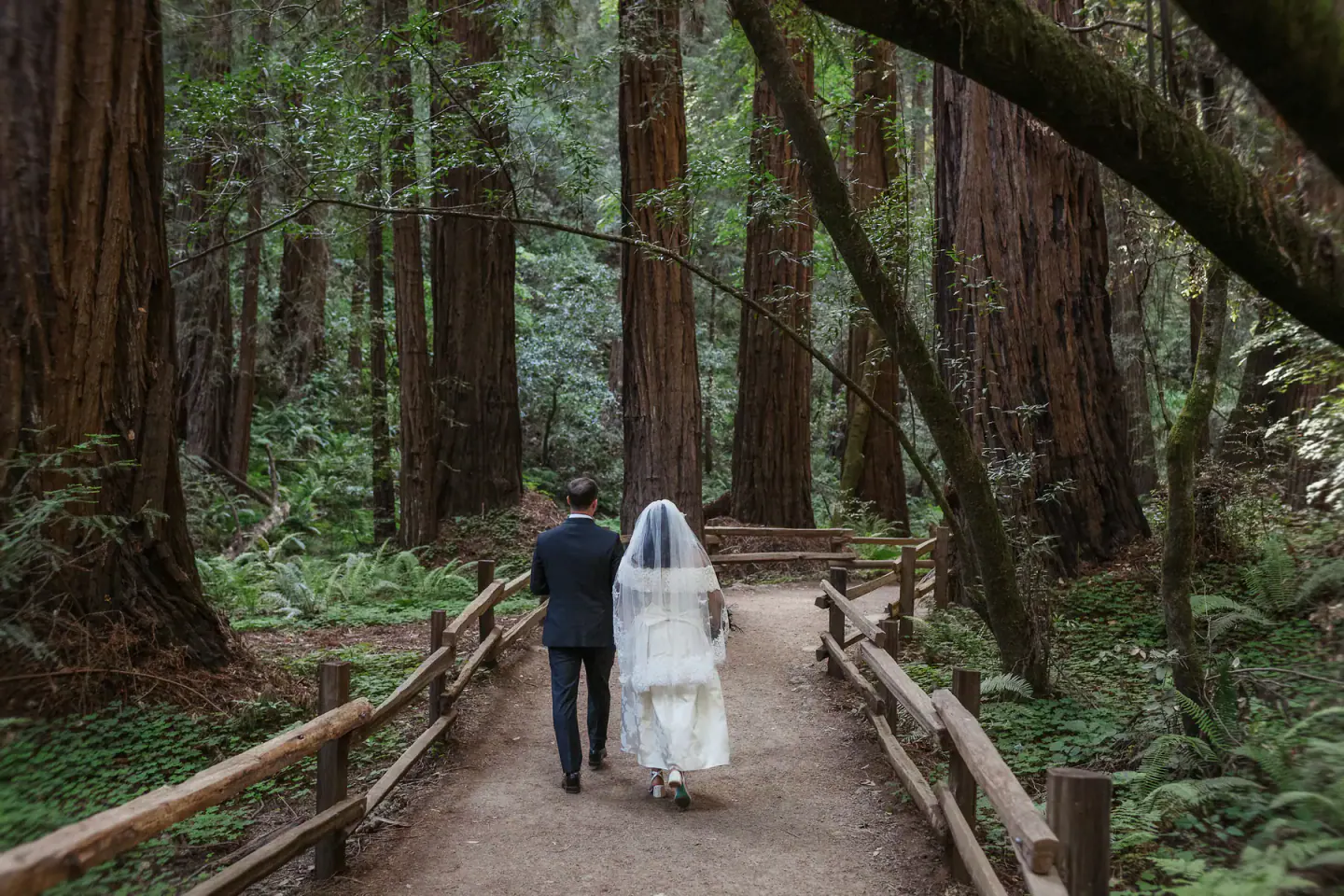
We photograph Indian and intercultural weddings as complete stories: the traditions and design, the people who carry them, parallel preparation, multiple ceremonies, changing clothing, food, speeches, and the party that follows.
No awkward posing. No script for how the day should feel. We make the plan and solve the photography so you can stay with the people who make you forget about the camera.
Tell us what you are planningChoose where to begin
Complete coverage with real moments at the center and direction when it helps.
02Full days, not highlight fragments—organized by place, feeling, and kind of celebration.
03Useful decisions about timelines, light, family, film, weather, and photographs.
04First-hand notes organized by venue, landscape, and region.
Multiple events, locations, families, and clothing changes are mapped before the wedding so coverage stays complete without making the couple manage the photography.
We learn what each ceremony and object means, who matters inside it, and where reactions are likely to unfold. That knowledge makes documentary photographs more specific.
Fashion, florals, the mandap, food, and rooms receive deliberate attention while family relationships, humor, motion, and unplanned moments remain the center.
See the work in context
What local experience changes
Indian weddings can contain parallel preparation, several events, large families, changing clothing, formal rituals, food, design, and a long reception arc. We learn who and what carries meaning before the moment begins.
When families prepare separately or events happen at once, assignments are mapped before coverage begins. Two photographers protect the essential frame while creating room for reactions, context, and less obvious relationships.
We learn the order, participants, objects, movement, and likely reactions so attention is in the right place without blocking family or treating sacred action as a generic processional.
Mixed stage light, saturated fabrics, skin, florals, and décor can pull color in competing directions. Digital and film are finished carefully so richness remains believable rather than neon or flattened.
Questions couples ask
Many do because preparation, families, entrances, and rituals can happen simultaneously. Guest count and schedule decide the team, but a second photographer is often essential rather than optional coverage.
Yes. We plan each event and edit them as one connected family story, with recurring people, traditions, clothing, food, and emotional changes carrying across the weekend.
We ask the couple and planner for the real sequence, meaning, participants, and family priorities, then do our own preparation. We never ask one wedding to represent every version of a culture.
Go deeper