Editorial is a tool, not the whole day.
We use it for portraits, clothing, architecture, and details when a deliberate frame adds something. We do not keep directing once the photograph has enough structure.
Editorial and candid wedding photography
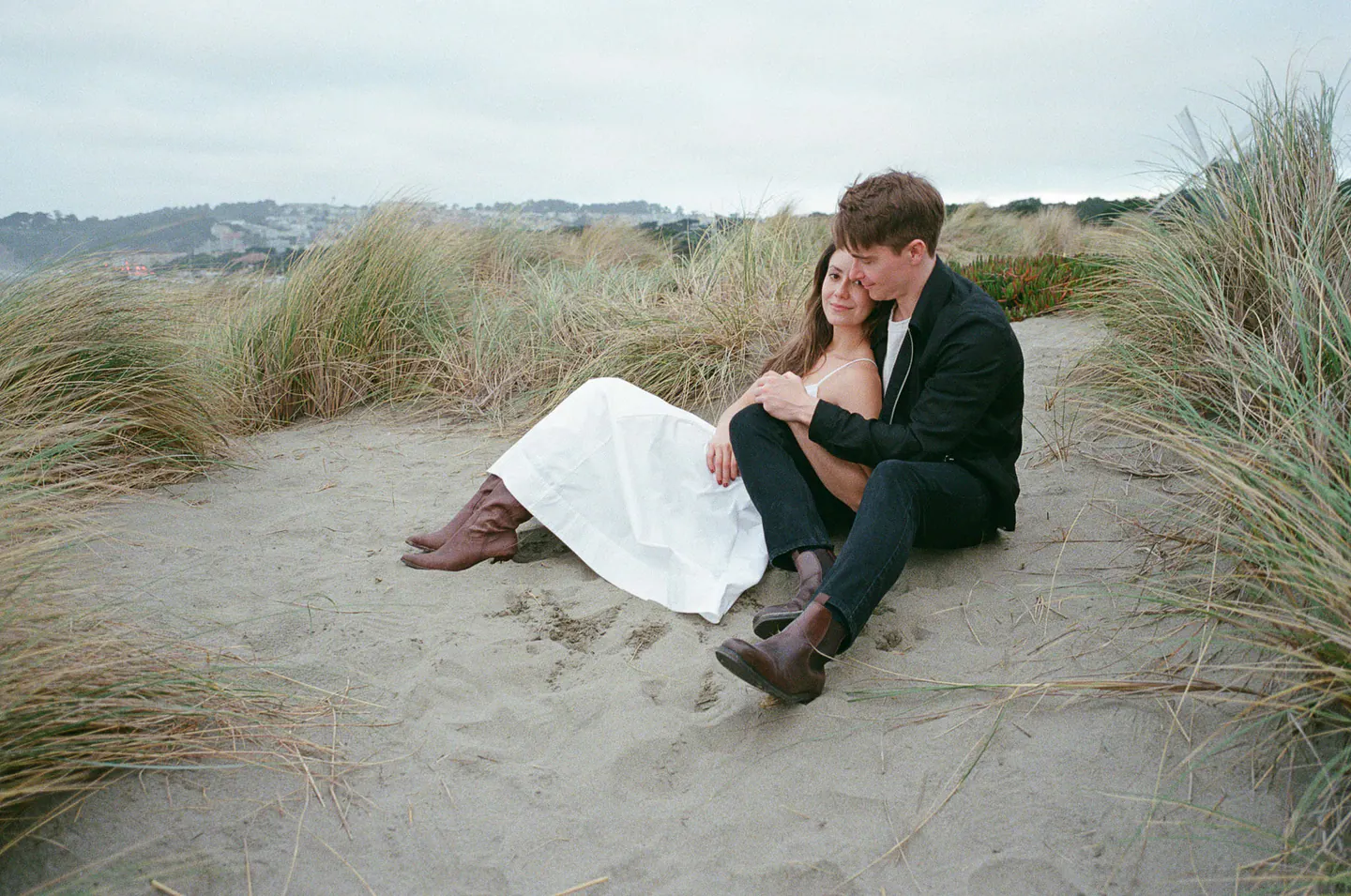


Editorial judgment shapes framing, light, color, pacing, and the small amount of direction that makes a portrait work. Documentary attention keeps that judgment from turning the wedding into a production.
No awkward posing. No script for how the day should feel. We make the plan and solve the photography so you can stay with the people who make you forget about the camera.
Tell us what you are planningChoose where to begin
Complete coverage with real moments at the center and direction when it helps.
02Full days, not highlight fragments—organized by place, feeling, and kind of celebration.
03Useful decisions about timelines, light, family, film, weather, and photographs.
04First-hand notes organized by venue, landscape, and region.
We use it for portraits, clothing, architecture, and details when a deliberate frame adds something. We do not keep directing once the photograph has enough structure.
Craft, consistency, thoughtful planning, film, printing, and attention to skin and color matter more to us than making every wedding look like a campaign.
A few composed photographs give the gallery visual stillness. Candid layers, transitions, and the party give it life. The contrast is part of the story.
See the work in context

Seabright · Santa Cruz
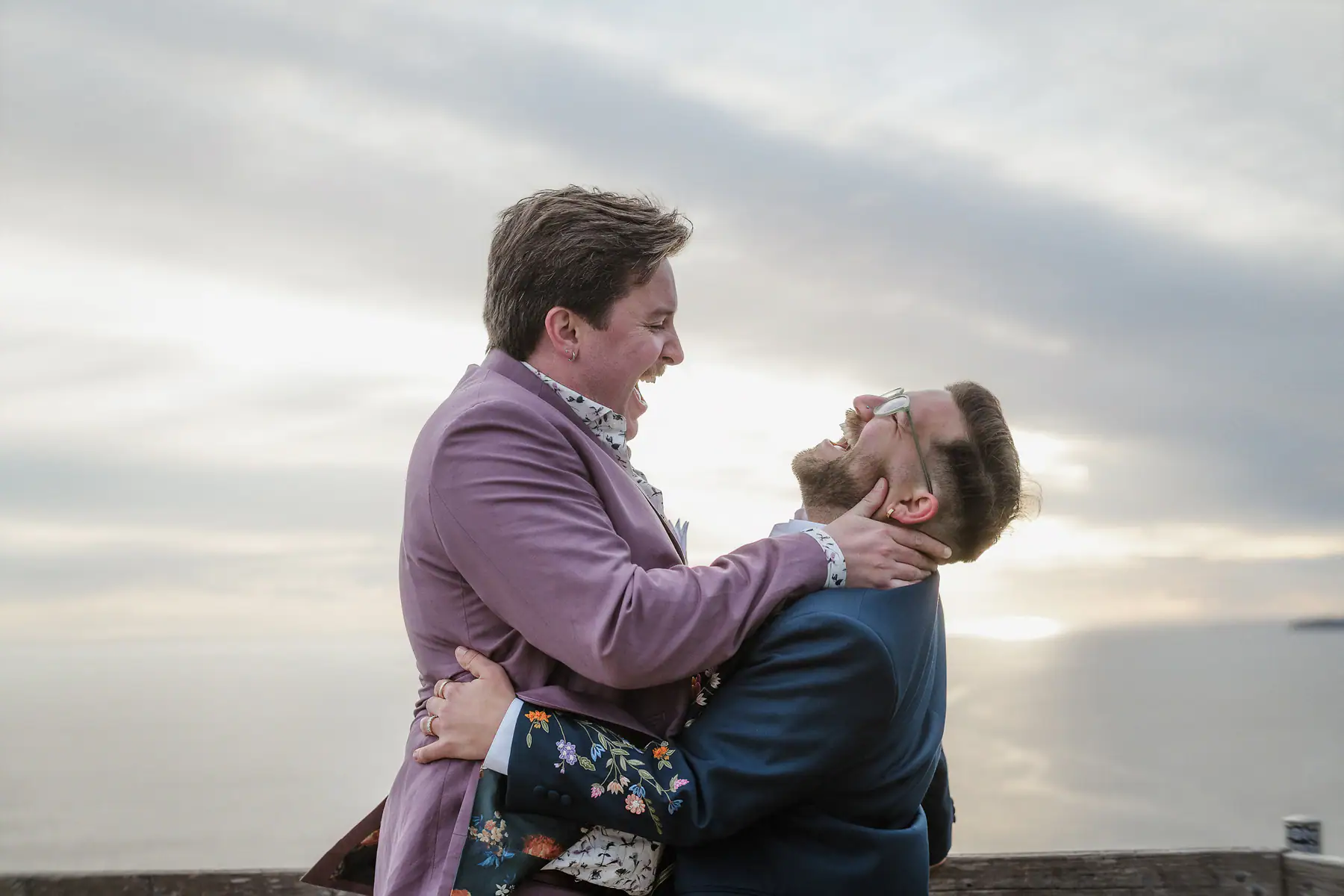
Muir Woods and the Marin coast
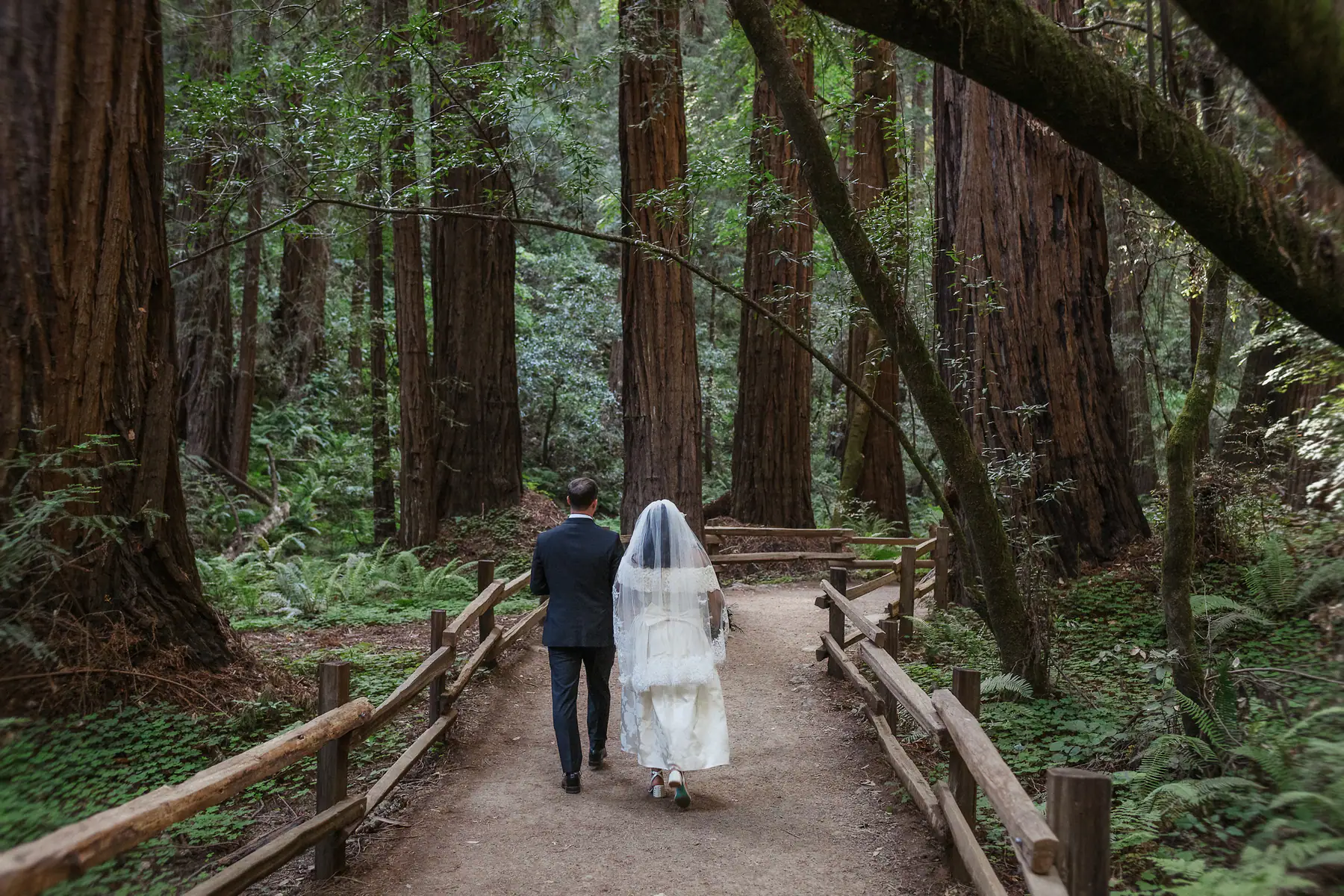
San Francisco and Marin County

Sonoma, California
What local experience changes
We use composition, design awareness, light, and concise direction to make photographs feel intentional. The people do not need to become models, and the wedding does not need to stop while every image is constructed.
We change the light, background, spacing, movement, or angle, then give attention back to the people in the frame. Useful direction is specific and short rather than a performance with endless micro-adjustments.
Fashion, flowers, paper, rooms, and tables matter, but they become emotionally useful when hands, weather, family, food, and movement show how those choices were actually lived.
One strong editorial chapter can coexist with cocktail hour and real conversation. We agree on priorities rather than quietly turning a wedding into a magazine production after the day begins.
Questions couples ask
No. We provide the direction needed for light and composition, then use movement, attention, and the relationship itself so the photograph does not depend on practiced posing.
Yes. A frame can be visually precise while the gesture or interaction remains real. Editorial describes the visual judgment, not a requirement that every moment be manufactured.
Often twenty to thirty focused minutes can create a strong chapter when locations are close and decisions are made beforehand. More time should be a conscious experience choice, not an automatic demand.
Go deeper