Observation is active work.
We anticipate where emotion, gesture, and interaction are building; compose around more than one subject; and stay with a situation long enough for it to change.
Documentary wedding photographer
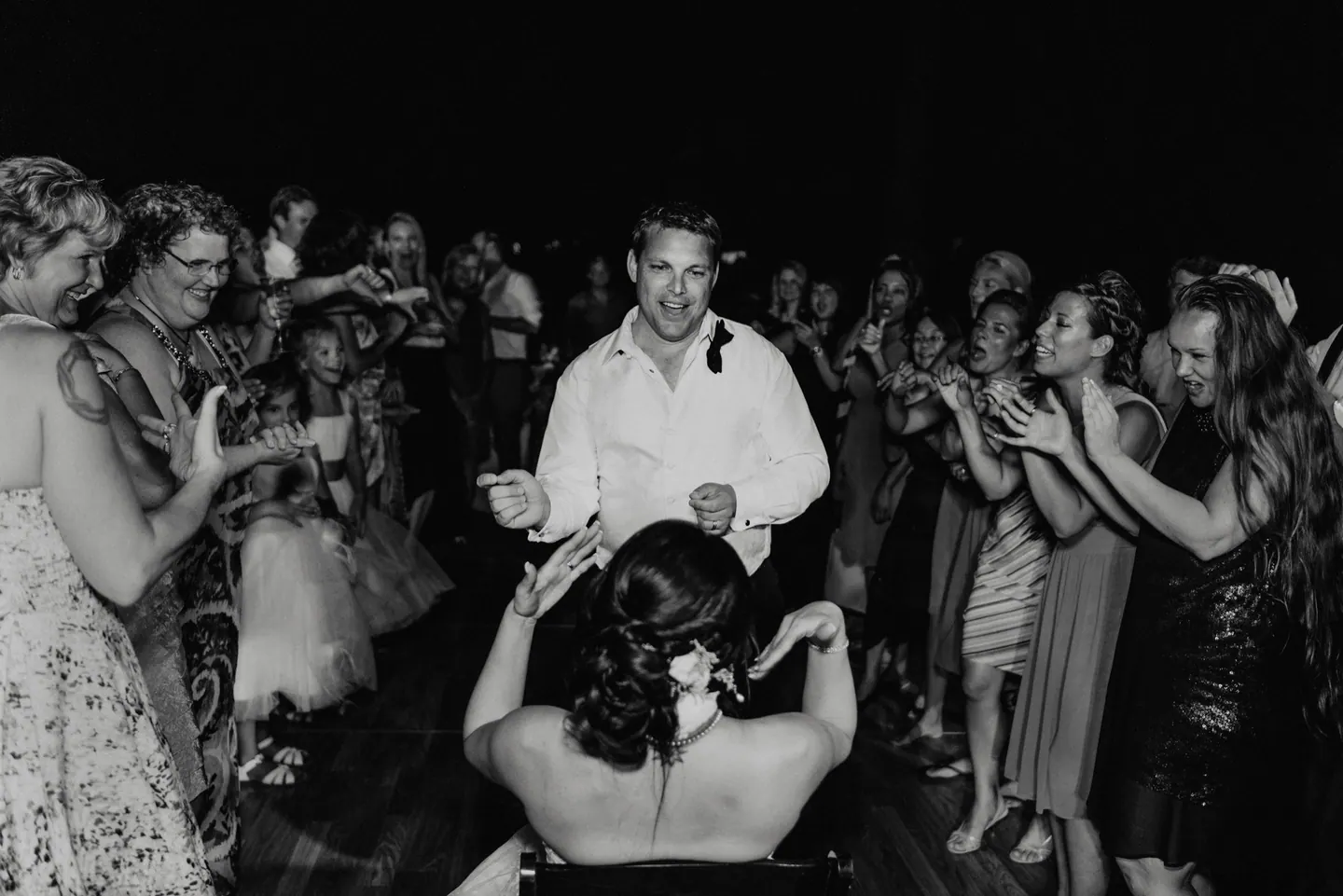


Documentary wedding photography is not the absence of judgment or help. It is the decision to treat what people experience as the primary material, and to use direction without replacing that experience.
No awkward posing. No script for how the day should feel. We make the plan and solve the photography so you can stay with the people who make you forget about the camera.
Tell us what you are planningChoose where to begin
Complete coverage with real moments at the center and direction when it helps.
02Full days, not highlight fragments—organized by place, feeling, and kind of celebration.
03Useful decisions about timelines, light, family, film, weather, and photographs.
04First-hand notes organized by venue, landscape, and region.
We anticipate where emotion, gesture, and interaction are building; compose around more than one subject; and stay with a situation long enough for it to change.
Family groups, portraits, hard light, and unfamiliar timelines benefit from clear guidance. The difference is that direction solves a problem, then stops before every moment becomes performance.
Individual candid images are easy to market. Complete stories reveal whether a photographer can hold context through getting ready, ceremony, dinner, darkness, weather, and the party.
See the work in context

Seabright · Santa Cruz
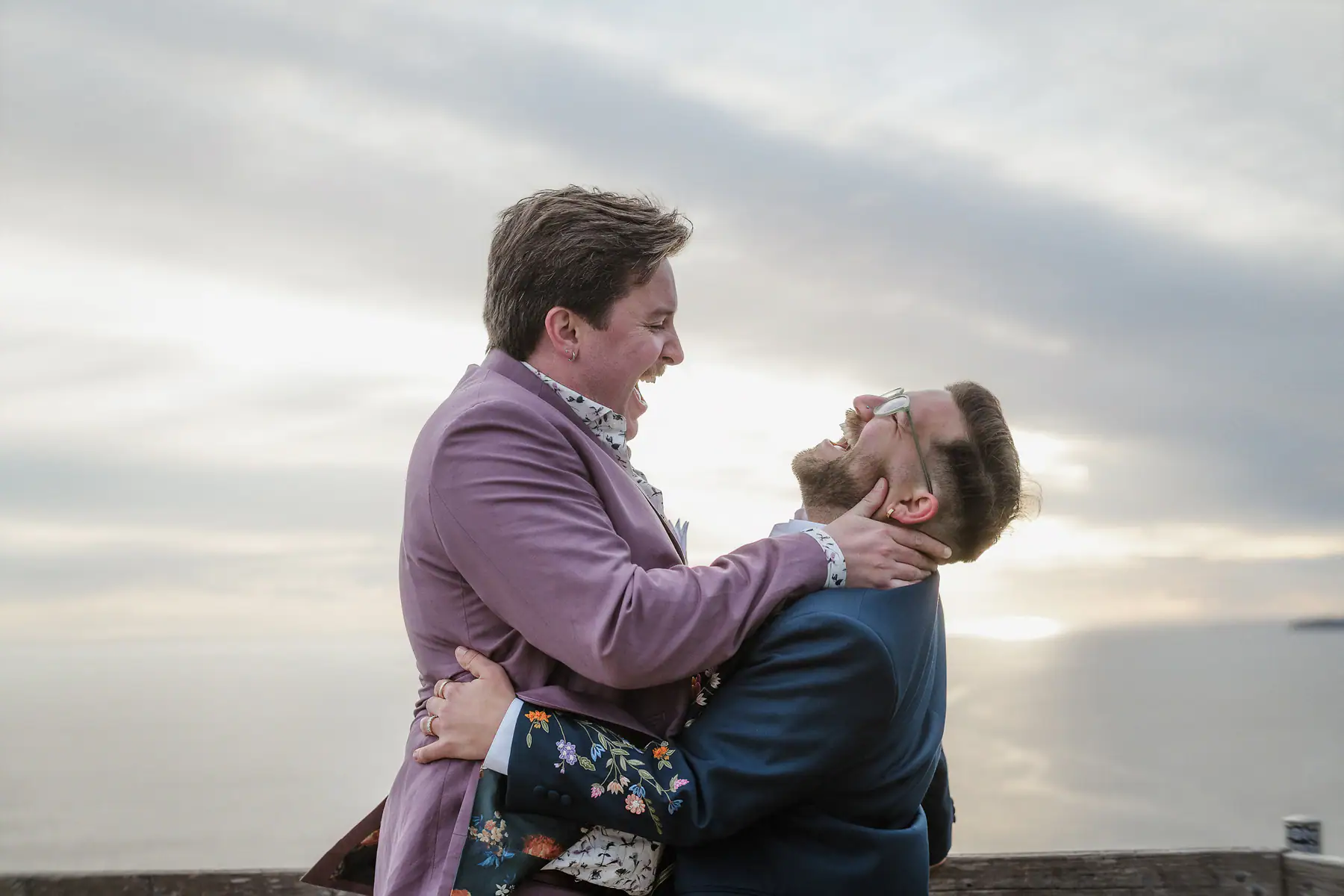
Muir Woods and the Marin coast
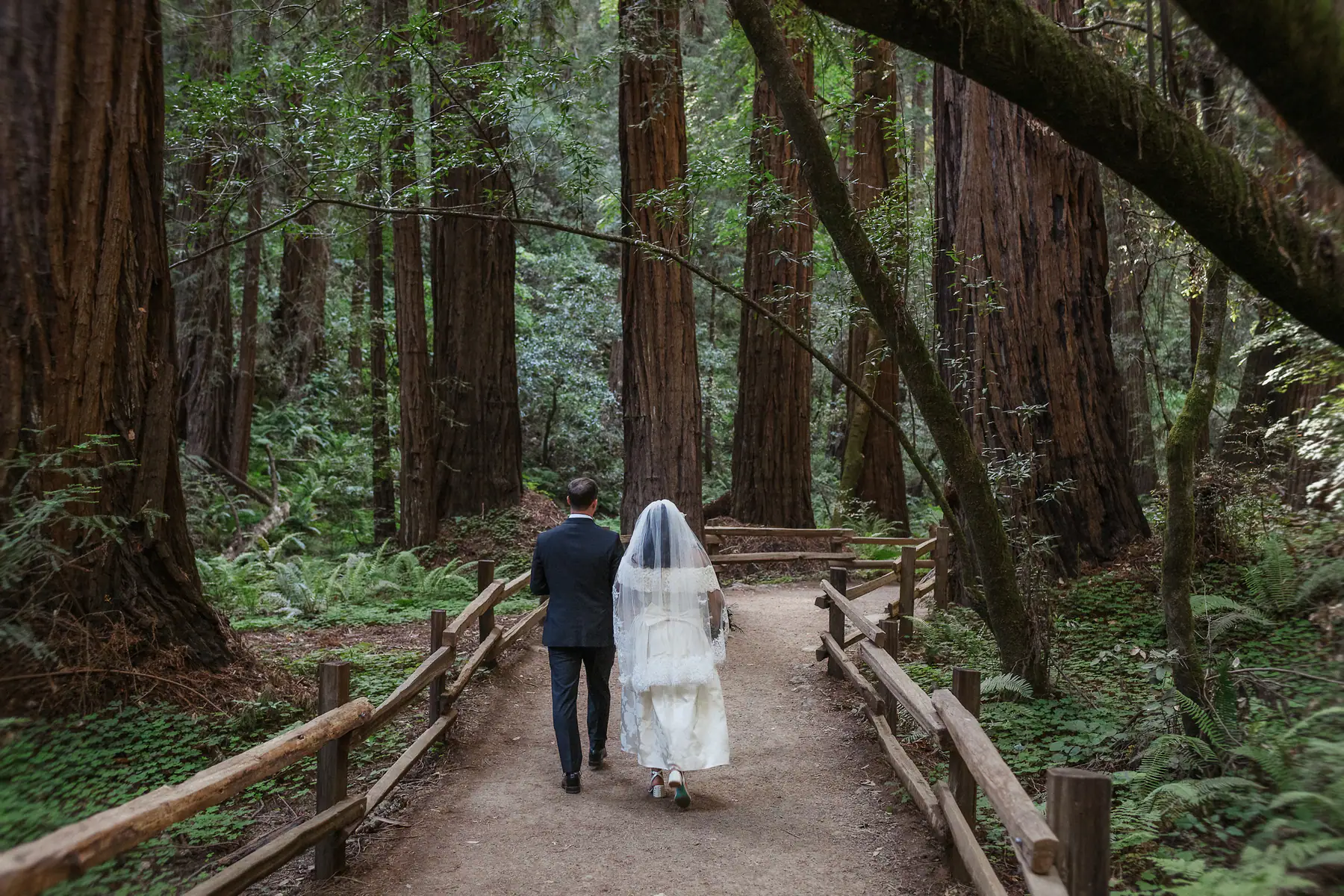
San Francisco and Marin County

Philo, Mendocino County
What local experience changes
The wedding remains more important than the photo shoot, but a photographer is still responsible for light, timing, family groups, difficult rooms, privacy, and clear help when it protects the experience.
We follow relationships and situations long enough to understand where a reaction will happen. Quiet equipment cannot replace emotional information, composition, timing, or the patience to stay with a scene.
Getting ready, family conflict, pregnancy, grief, and intimate rituals may need a more careful distance. Documentary coverage should recognize when a photograph is possible and when trust matters more.
A handful of candid frames cannot show whether the approach survives family photographs, dark dinner, difficult weather, speeches, and the long emotional changes of an entire day.
Questions couples ask
Yes. We give clear, efficient direction when it helps, then stop before the whole wedding becomes a performance. Documentary and useful guidance are not opposites.
You do not need to arrive knowing how to pose. We solve light and placement, create something simple to do, and let attention return to each other instead of asking for a sequence of expressions.
Absolutely. Skin, color, black and white, contrast, and mixed light are finished deliberately so real moments remain believable and strong enough to print.
Go deeper