
The story
The day began downtown, moved through the Mission for portraits, and filled Foreign Cinema with a hand-painted family chuppah, yichud, a horah, tapas, dancing, and a late after-party built around tots and chicken tenders.
Foreign Cinema
The portraits belonged to the route.
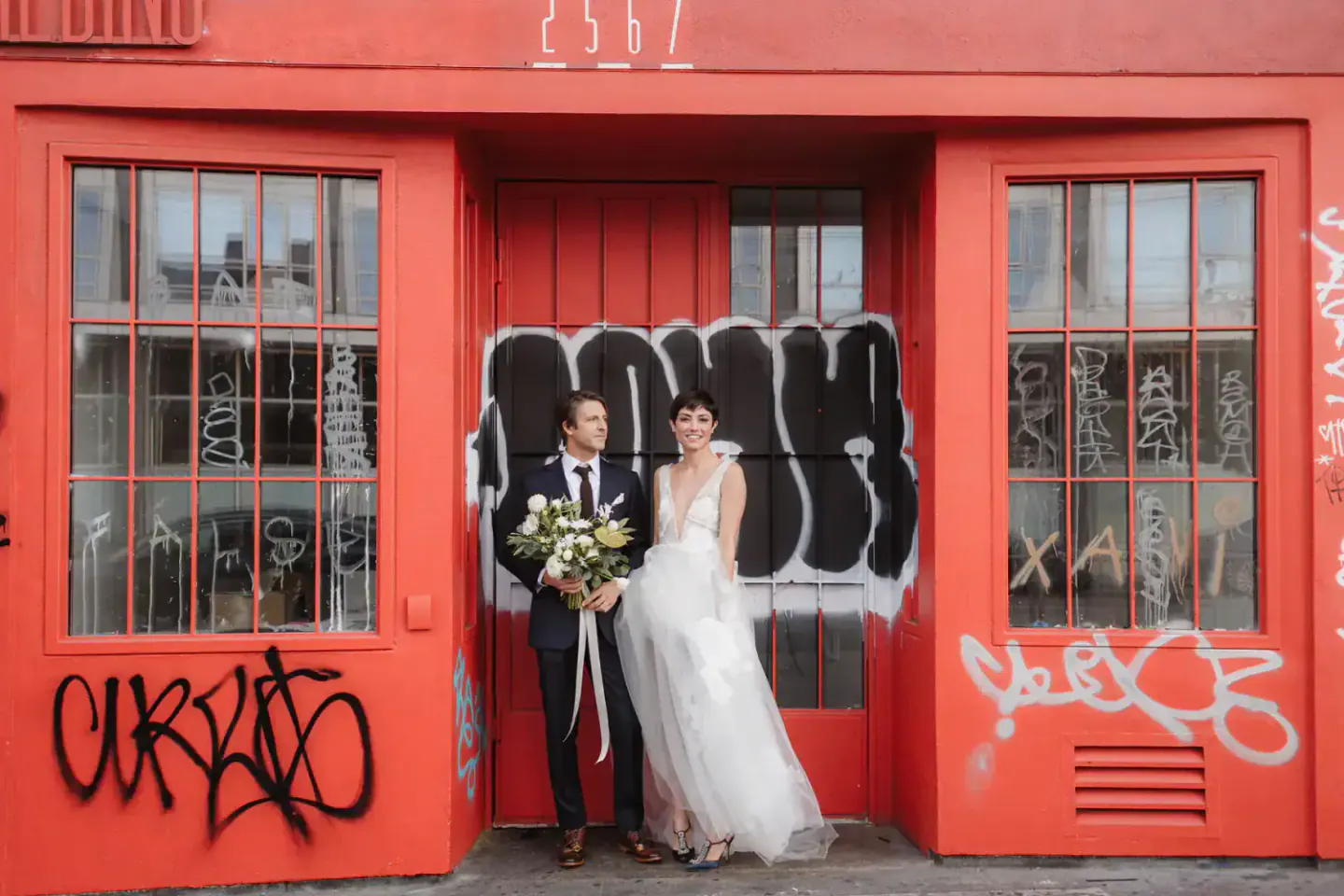
A planned sprinter van made it possible to move from the hotel into the Mission without turning the couple into logistics managers. Portraits happened in the neighborhood before family gathered in the courtyard.


The restaurant was the center, but the Mission around it kept the wedding connected to an actual neighborhood rather than an isolated room.

Mission District, San Francisco
Family history sat inside the ceremony.
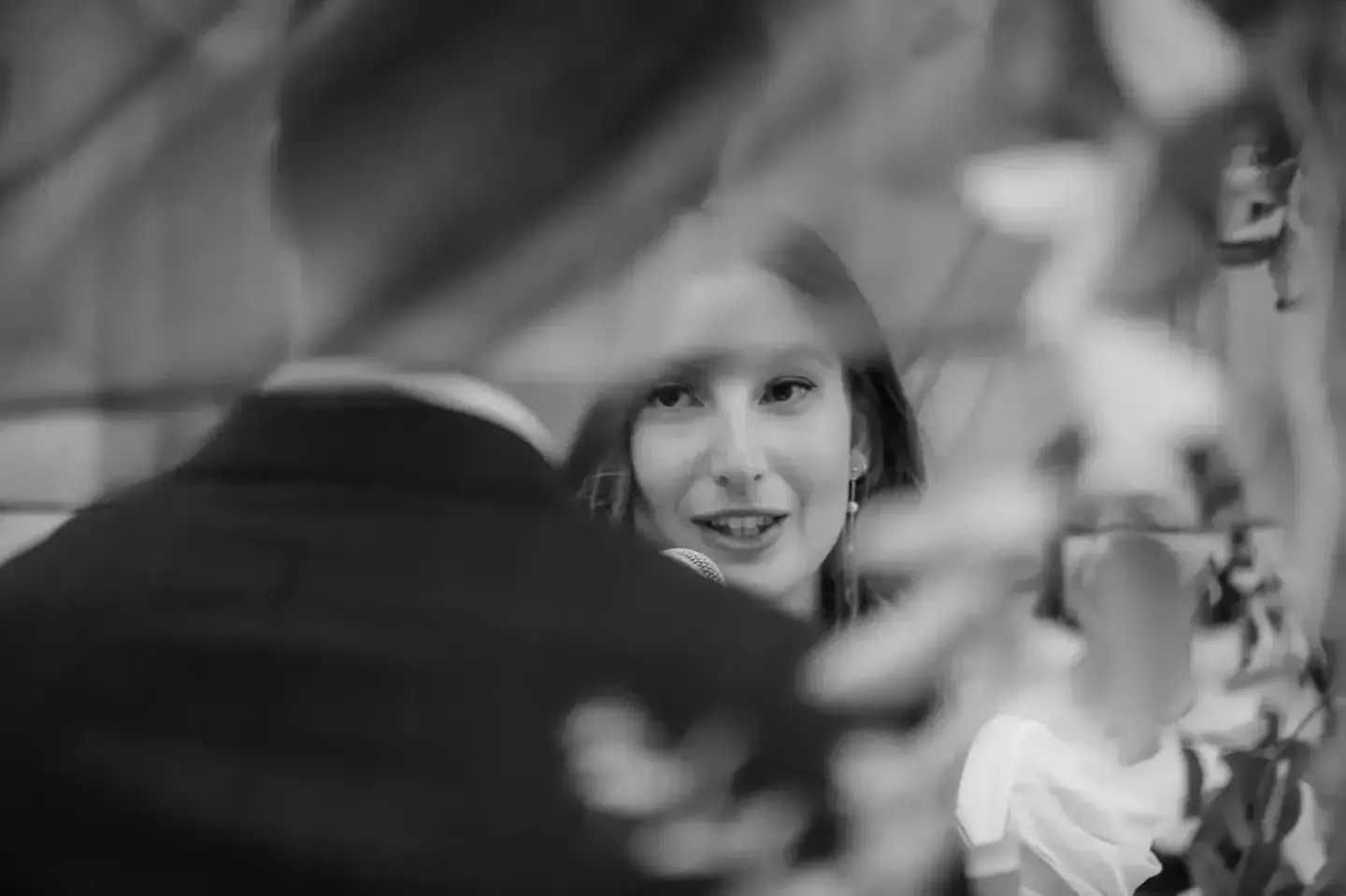
The chuppah was hand-painted by a family member. The ketubah, ceremony, yichud, parent toasts, first dance, and horah gave the photographs a sequence of relationships and ritual rather than a single formal centerpiece.




Why this story matters
Foreign Cinema changes character through the night.
Courtyard ceremony, gallery cocktails, the room flip, dinner stations, cake, and open dancing each use the restaurant differently. Photographing those transitions is what makes the final story useful to couples considering the venue.
- Place
- Foreign Cinema
- Region
- Mission District, San Francisco
- Photographed as
- San Francisco restaurant wedding story
Plan from a real story
Use what happened here to answer the next question.
The guides turn the useful parts of this day—place, timing, coverage, weather, and how the photographs felt—into practical planning help.
Vendor credits
The people who helped make the day.
Wedding stories are collaborative. These credits come from the couple's planning records and link to public vendor pages.
- Planning
- Allure Consulting
- Venue and catering
- Foreign Cinema
- Attire
- Sarah Seven
- Florals
- Wallflower
- Beauty
- Beauty by Lia
- Dessert
- Made Out of Dough
- Music
- Jackie Sugarlumps
Keep exploring
Three more complete stories.
Wedding story · Foreign Cinema · Clarion Alley · Mark Hopkins Hotel
A Foreign Cinema wedding in San Francisco

Wedding story · San Francisco City Hall and ROOH
A 14-Person San Francisco City Hall Wedding and Dinner at ROOH

Wedding story · Sunnyside Conservatory · Verdi Club